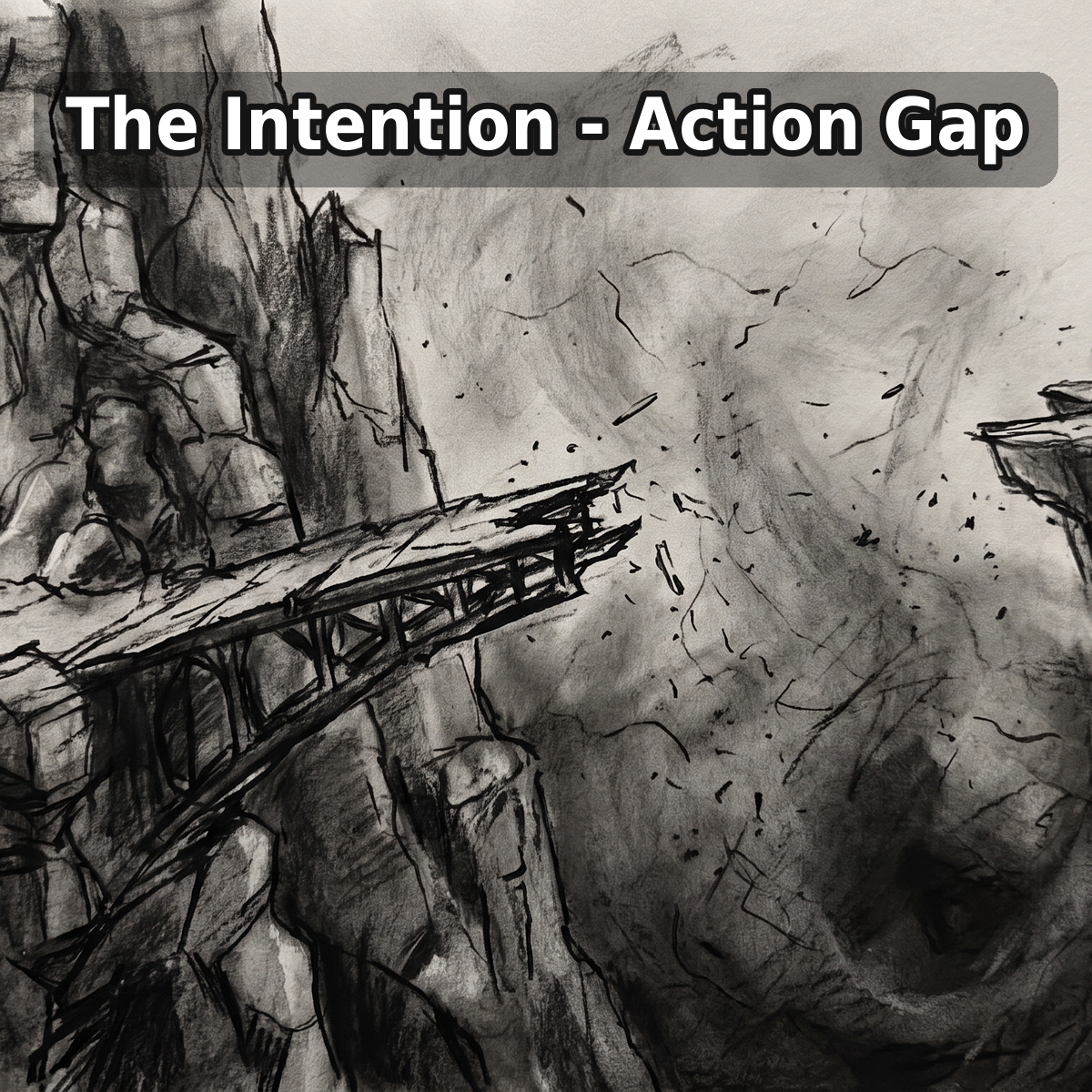
The Goal is to Fail

I have written on this subject before, but it hit me hard again today. So many people try to create plans that guarantee or ensure success. They create the “perfect plan” that is supposed to be successful. The problem is that they will never create the perfect plan, because that idea does not exist. Repeat there is no such thing as a plan that will guarantee success, because success is not possible really. The only for sure guaranteed thing you will get is failure. So if failure is inevitable, then we need to create plans that are designed to fail!

If you plan to fail, then when you push yourself, your team or whomever around you to that point of failure, when the pick themselves up off the ground they will look around and realize that they made a lot of progress. Progress as it seems is what we achieve on the way to failure. It is repetition toward continued failure that we become successful.

When today’s goal fails, but tomorrows goal achieves it but fails on the more lofty goal, then you know you are doing right. You can only be successful at things that you have failed at previously.

Guy Reams

Subscribe
Notify of
guest
2 Comments
Oldest
Newest Most Voted
Inline Feedbacks
View all comments
Amanda Dalzell
Amanda Dalzell
5 years ago

Thanks Guy. This is very helpful as my team begins a new fiscal year.

Share the Post:

Recent Blogs

Day 309 – The Price Tag of Automation

The author recounts his frustrating experience with home automation after Google abandoned its Nest architecture, leading him to build his own system. He highlights the significant time and effort required for maintenance and the eventual abandonment of his automation efforts due to the high ‘economic life’ cost. However, with the advent of AI, the cost and effort of automation have decreased, making it more feasible and renewing his interest in deploying future automations.

Read More

Day 308 – Speed is The Champion

This article explores the concept that speed often leads to success in various fields, from business to technology and sports. It argues that systems capable of rapid action, feedback, and adjustment tend to outperform those focused on avoiding errors. The author highlights the importance of fast feedback loops, citing John Boyd’s OODA loop and its application in AI systems. The piece also discusses the speed-accuracy tradeoff, noting that while speed can lead to more mistakes, these are often recoverable, and the compounding effect of rapid learning ultimately drives better results.

Read More

Day 307 – Iterative Could be Insufficient

This article explores the contrast between iterative and linear thinking, highlighting their respective strengths and weaknesses. It argues that while iterative thinking is beneficial in many fields, it can sometimes be an excuse for insufficient upfront planning, and proposes a hybrid approach for more robust decision-making.

Read More

Day 306 – The Zeigarnik Effect

The article explores the psychological relief gained from writing down unfinished tasks and concerns, linking it to the Zeigarnik Effect. It explains how externalizing thoughts through writing can free the mind from constantly remembering and worrying about unresolved issues, allowing for greater mental peace and the ability to conclude the day effectively.

Read More
2
0
Would love your thoughts, please comment.x
()
x