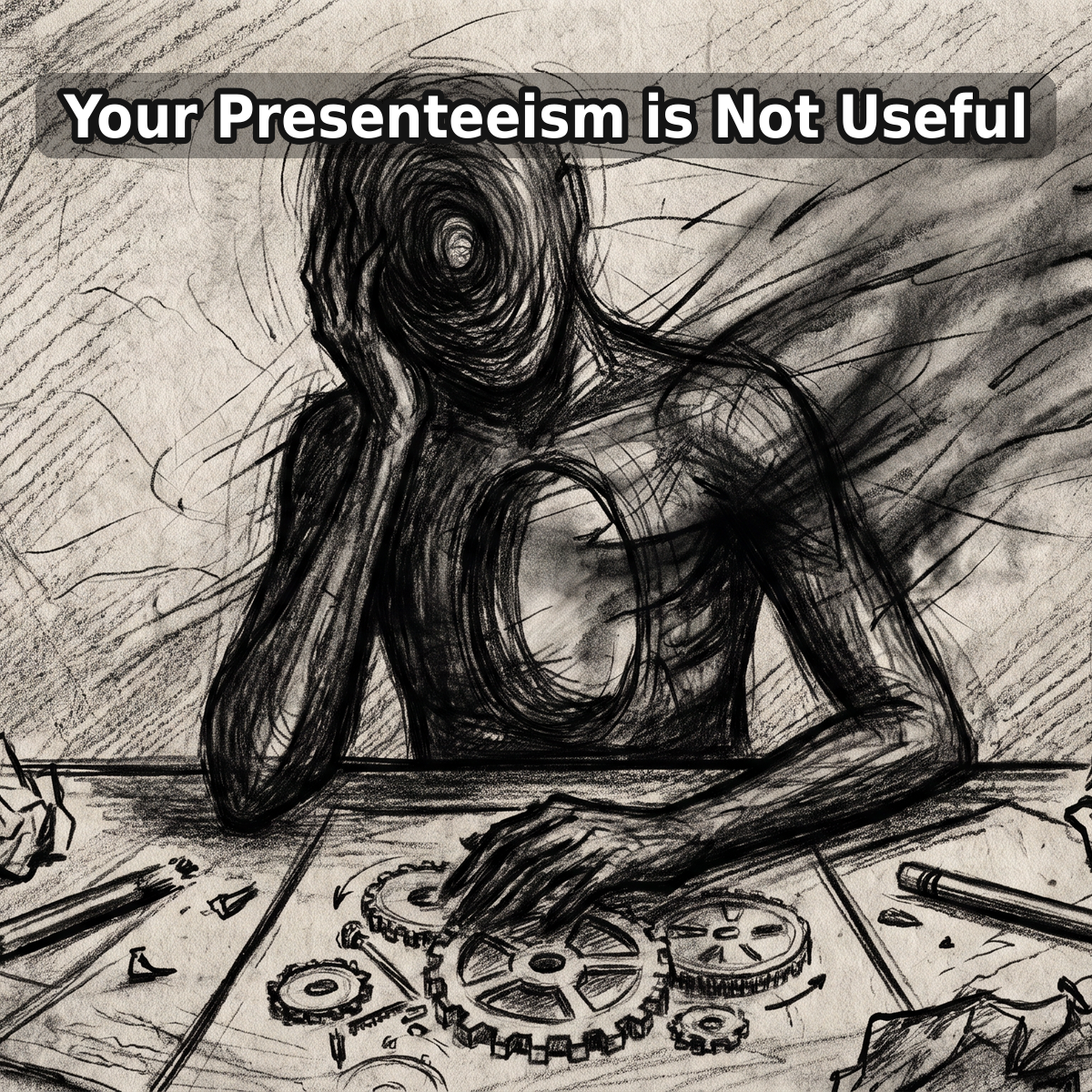
It is amazing how many strategies humans will develop to avoid contention, risk and workload. Many of these you will easily recognize. Procrastination, passive-aggressive behavior, and one of my favorites constant rumination. These are the things we most commonly do to avoid uncomfortable things. We push things off (procrastinate), we attack other things (passive-aggressive), and we just think about it and think about it ad nauseum (ruminate).

However, I want to point out an insidious one that we do not really notice. I am guilty of it myself, and once I recognized it, I now see it much easier. I am shocked by how often that I do it, and this behavior is best called avoidance coping. Simply stated, this is the tendency of us humans to avoid the thing causing us stress and instead avoid them completely and worry about something else instead.

Here is the problem, we think we are reducing stress by avoidance coping. We think that by pushing the stressor aside that we are lowering our stress issues. The reality is that that this strategy compounds and we end up far more stressed out than the avoidance strategy intended to reduce.

What I have been working on is to replace avoidance coping with a more active process of coping with stress. Instead of stress management, or stress avoidance I am working with how to cope with stress. For example, talking through problems, budgeting my time to focus on certain things, and reconsidering the positive areas of my life and actively choosing to focus on them.

Stress should be dealt with as an active, proactive methodology and not a passive avoidance behavior which ends up compounding stress.

Guy Reams

Subscribe
Notify of
guest
0 Comments
Inline Feedbacks
View all comments
Share the Post:

Recent Blogs

Day 339 – Story Telling is Our Stewardship

The author reflects on the importance of storytelling after witnessing his daughter receive an award for her perseverance. He argues that stories are crucial for passing down wisdom and experience across generations, preventing the loss of valuable lessons learned through life’s challenges.

Read More

Day 338 – What Is Humility?

Humility is often misunderstood as self-abasement, but it’s actually the ability to accurately perceive oneself, including strengths, weaknesses, and dependence on others. This perspective allows for easier learning, improved judgment, and better interpersonal relationships. Humble leaders foster open communication, and embracing humility can be incredibly freeing.

Read More

Day 337 – Principle Artifact Confusion

The author draws a parallel between the barefoot running craze and the current hype around AI coding tools, highlighting the danger of “Principle–Artifact Confusion.” This occurs when a sophisticated practice is reduced to a product, and the product is then mistaken for the underlying principle that made the original practice successful. The article emphasizes that AI should amplify good fundamentals, not replace them.

Read More

Day 336 – Your Presenteeism is Not Useful

This article challenges the common belief that simply being present at work, even when performing suboptimally, is beneficial. It argues that ‘presenteeism’ can lead to decreased output, increased mistakes, and prolonged recovery, ultimately creating a ‘recovery debt.’ The piece advocates for deliberate rest as an investment in future productivity, emphasizing that true recovery involves activities like sleep, proper nutrition, and disconnecting from work, rather than passive leisure.

Read More
0
Would love your thoughts, please comment.x
()
x