The Cost of Doing Good

Have you ever contemplated the cost of doing good? Doing good absolutely has a price, and I wonder if we really have considered just how steep that price tag can really be. Sometimes doing good is really obvious. For example to give of your own substance without expectation of return, has a definite price to it. You are giving up money, time or other resources by doing the act of good rather than using it for something selfish. Doing good may have other costs as well. Sometime by trying to do good, keep a commitment, fulfill an oath, there will be consequences. Consequence always delivers a price and it is in this arena that we humans fail frequently. Giving up stuff we can master over time, but a willingness to barter the price of consequence, that is a whole other matter indeed.

Just a consideration as you contemplate what you can do good today! I imagine the higher the price you have to pay as a consequence the better the act of goodness is.

Guy Reams

Subscribe
Notify of
guest
0 Comments
Inline Feedbacks
View all comments
Share the Post:

Recent Blogs

Day 3,248 – The Christmas Tree Pilgrimage

This piece recounts a childhood tradition of annual trips to Escalante Canyon to cut down numerous Christmas trees, highlighting the joy and lasting memories created by these somewhat impractical excursions. It reflects on the value of shared, memorable experiences over convenience and efficiency.

Read More

Day 3,247 – The Marks on Your Hands

The author reflects on the marks and scars on his hands, recalling a childhood memory of his grandfather sharing the stories behind the marks on his own hands. He realizes he has accumulated similar marks over time and contemplates the beauty of these physical impressions as a testament to a life lived, hoping to share his own stories with a future generation.

Read More

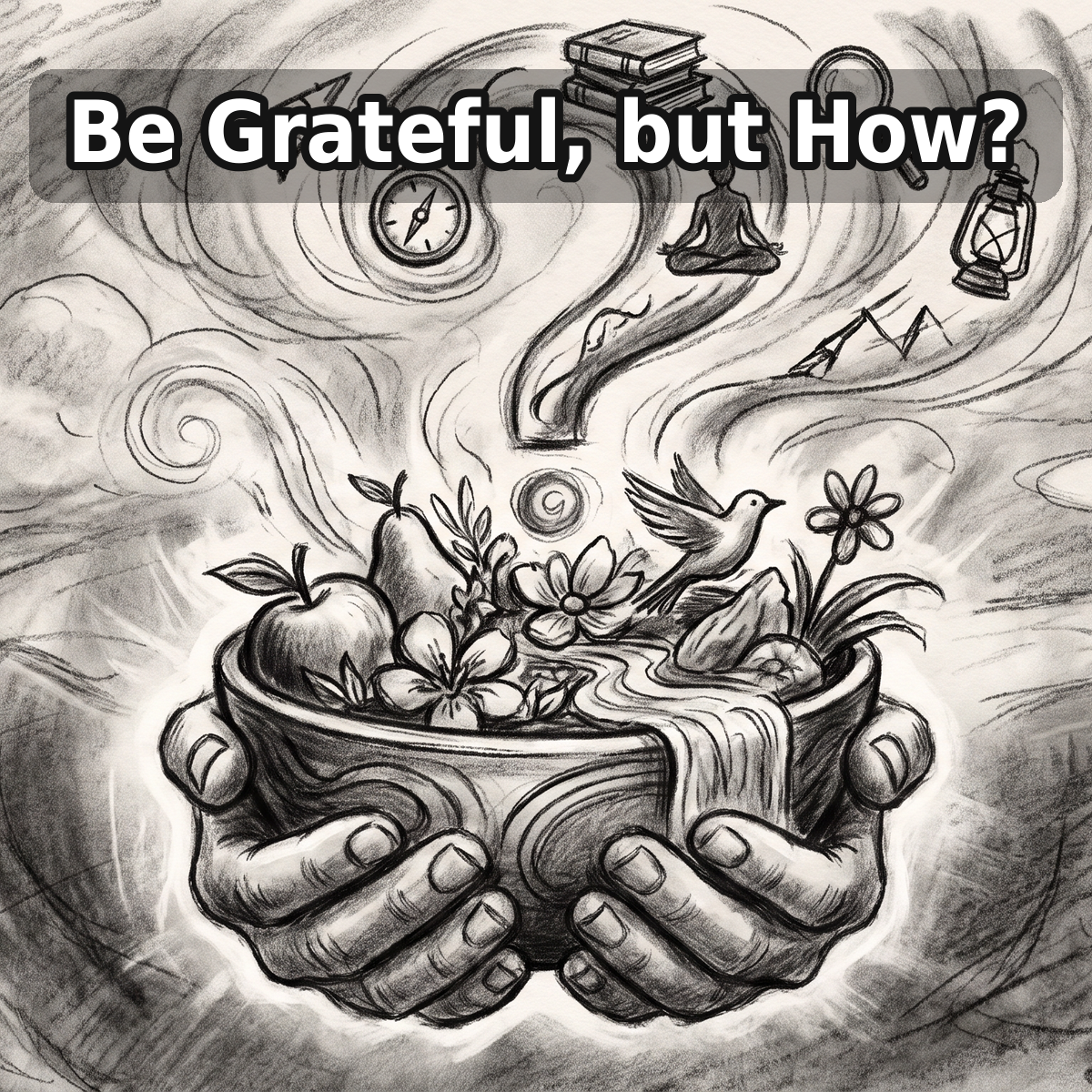
Day 3,246 – Be Grateful, but How?

This article explores the nature of gratitude, suggesting it’s more about shifting perspective than an act of willpower. It offers practical exercises like contemplating the absence of something, remembering past desires, and recognizing the contributions of others to cultivate a deeper appreciation for what we already possess.

Read More

Day 3,245 – Remember What You Learn

This article explores the concept of overlearning and spaced reapplication as key strategies for long-term knowledge retention. Drawing on a study about high school mathematics recall and personal anecdotes, it suggests that actively reapplying learned information over time is crucial for making knowledge permanent.

Read More
0
Would love your thoughts, please comment.x
()
x