I am pretty sure the Covid finally got me. The boogeyman does exist after all. Sick all day, high fever. Basically the flu but perhaps a little worse. Oh well, nothing like a little sickness to completely humble you and wreck your plans!
Guy
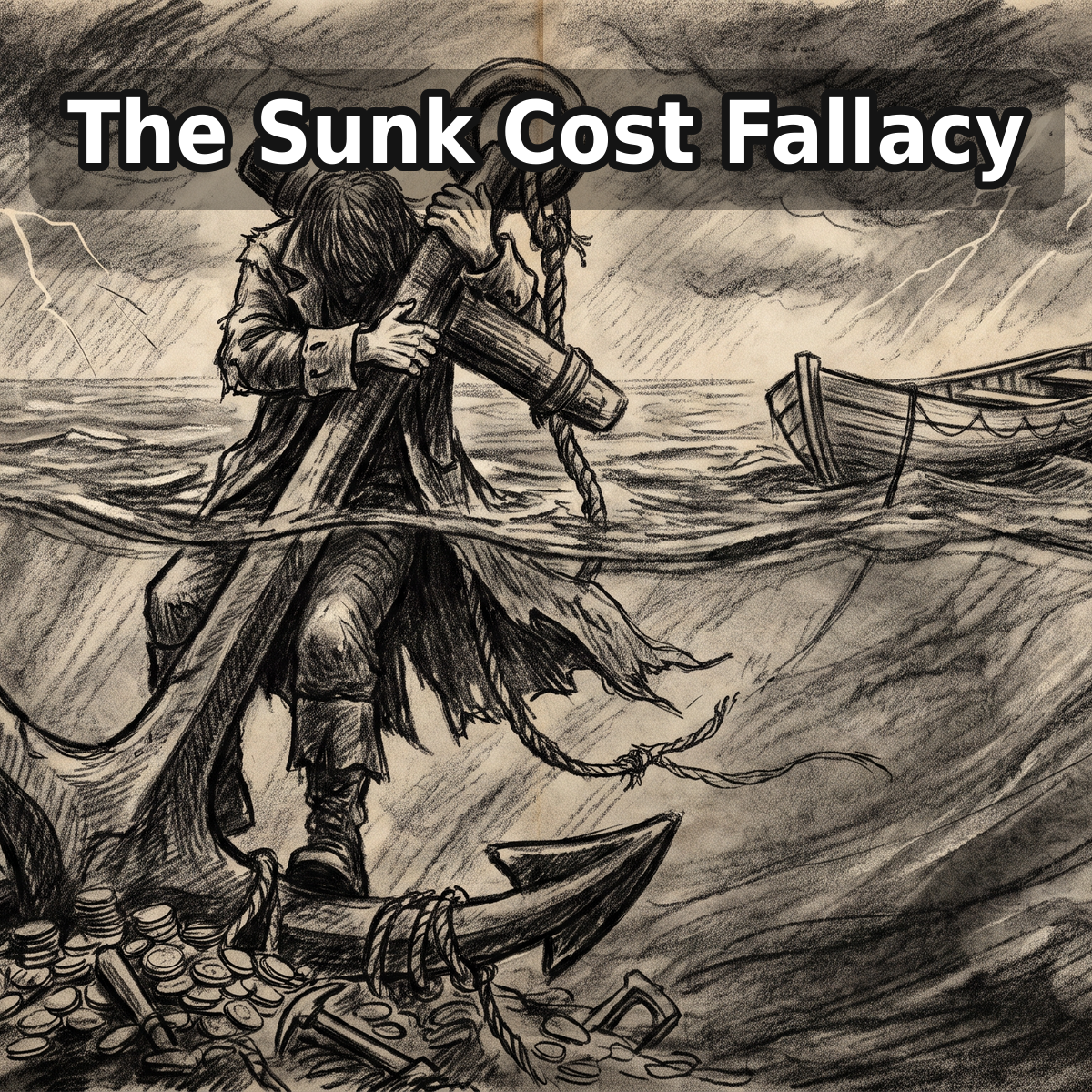
The sunk cost fallacy describes the tendency to continue investing in a losing proposition because of past investments that cannot be recovered. This often leads to greater losses and regret. The key is to evaluate if future rewards justify additional investment, or if it’s better to cut losses.
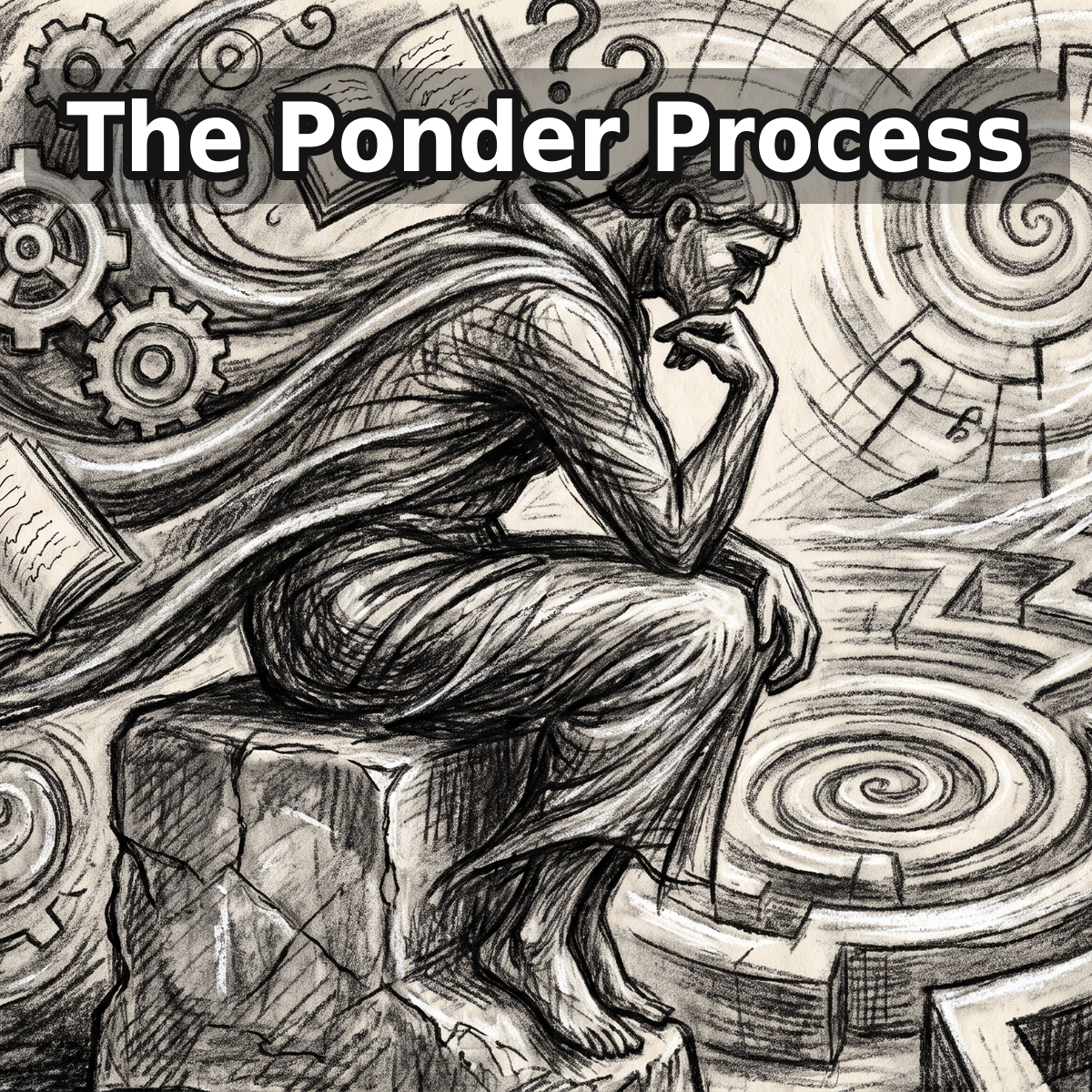
This article introduces a structured approach to pondering, moving beyond aimless thought to achieve clarity and actionable insights. It outlines a five-step process: defining the specific question, distinguishing facts from assumptions, identifying areas of influence, exploring multiple solutions, and concluding with a concrete action or a plan to revisit the issue.
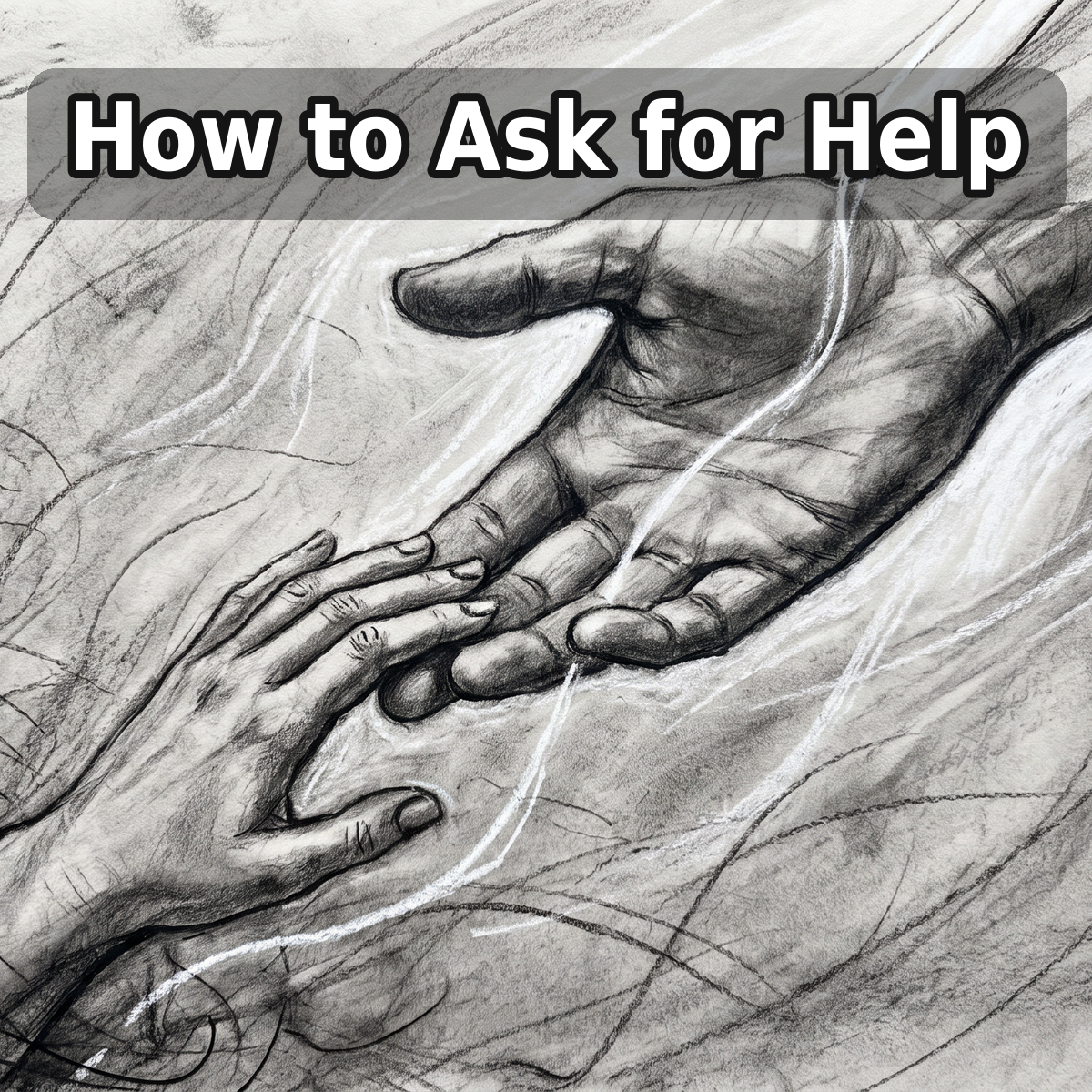
This article explores the journey of overcoming a lifelong habit of pretending to know everything. The author shares personal insights on learning to ask for help, detailing a three-step process: admitting “I don’t know,” being specific about needs, and accepting assistance. Ultimately, the piece highlights how asking for help can strengthen relationships and foster genuine connection.
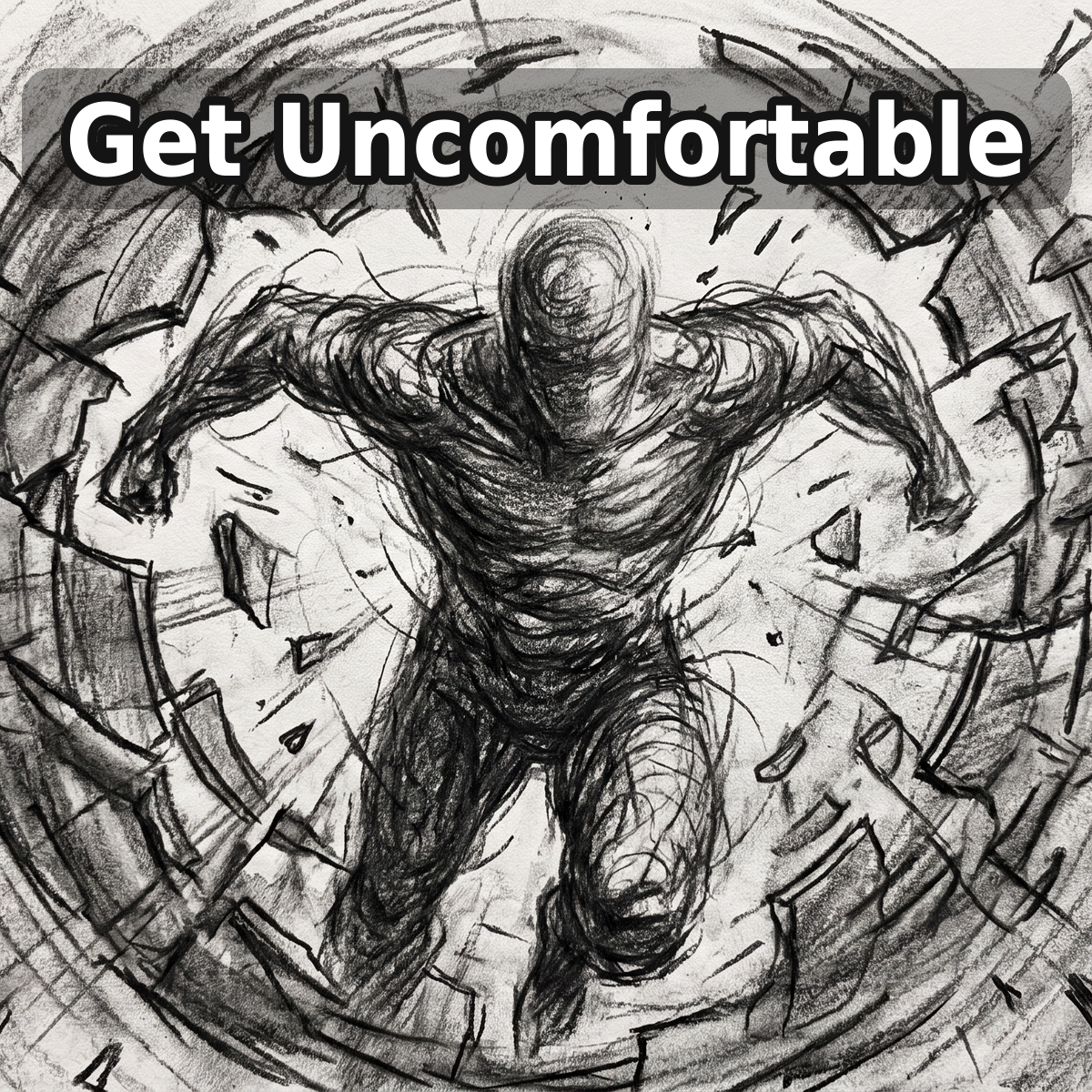
Productive meetings often involve discomfort, as they are meant to resolve conflicts and challenge assumptions. Avoiding uncomfortable conversations can hinder improvement and problem-solving, suggesting that embracing discomfort can lead to more effective outcomes.