Struggling versus The Struggle

Struggling is part of life. Suffering is part of the process. You cannot experience joy unless you experience some pain as well. Struggling is like breathing. Inevitable and when it stops, you die.

However, if we are just struggling then we may have a problem. Just bouncing around life from one struggle to the next will rarely get you anywhere.

More importantly we should be involved in “the struggle.” The one thing that we must struggle with in order to achieve our goals. Let your wrestle be with God and your efforts will be much to your advantage. What is your goal? What is in your way? That is your struggle.

Guy

Subscribe
Notify of
guest
0 Comments
Inline Feedbacks
View all comments
Share the Post:

Recent Blogs

Day 3,213 – Generative Learning Experiences

Learning has fundamentally shifted from traditional models to generative learning experiences powered by LLM-based tools. This new paradigm allows for personalized, adaptive learning tailored to individual curiosity and performance, accelerating the learning and discovery process in an increasingly specialized society.

Read More

Day 3,212 – The Answer is Run

The author shares their personal journey to improve health and longevity, highlighting running as the most effective and accessible method. They argue that running not only offers physical benefits but also significantly enhances mood, mental clarity, and overall well-being, aligning with humans’ natural design for movement.

Read More

Day 3,211 – Everything Else is Downhill

This article explores the concept of tackling the most difficult tasks first, likening it to Mark Twain’s ‘eat a live frog’ analogy or ‘going downhill’ after an initial climb. The author shares a personal anecdote about a marathon and a daily exercise routine to illustrate how front-loading challenging activities can make the rest of the day feel easier and more productive, reducing mental resistance and improving overall well-being.

Read More

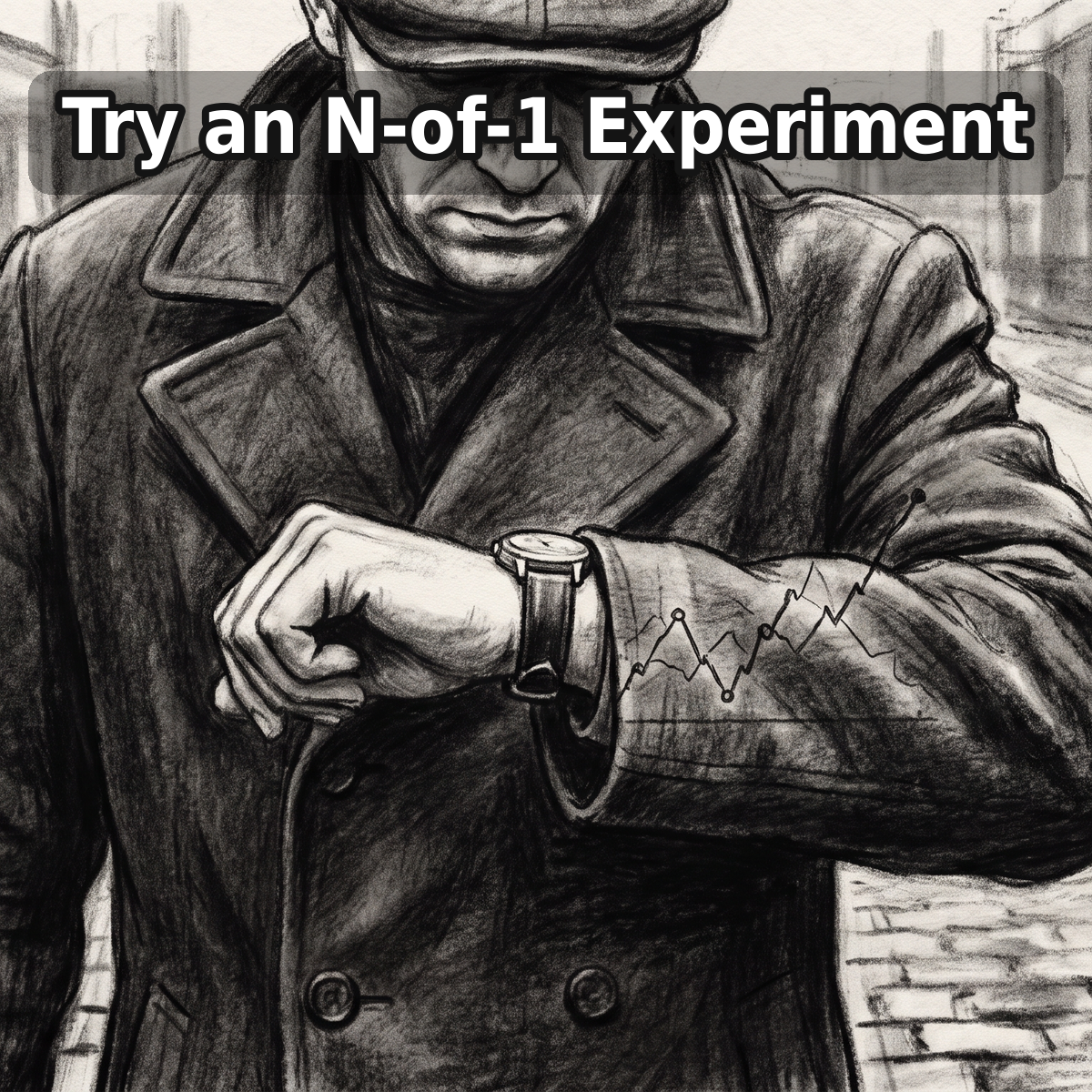
Day 3,210 – Try an N-of-1 Experiment

The N-of-1 experimental design involves tracking a baseline, making one modification, and then tracking the results over time to study individual responses to an intervention. This method is particularly useful for understanding how diet, exercise, or behavioral patterns impact an individual, with a recommended tracking period of 90 days for meaningful changes.

Read More
0
Would love your thoughts, please comment.x
()
x