One of the hardest things for me to accept is that obstacles, struggles, and difficulty os part of the process. It is the path to success. Do not run from it, embrace, accept and overcome it.
Guy
This article humorously reflects on the challenges of word problems in math, from childhood experiences to current educational approaches. It highlights the difference between procedural competence and conceptual understanding, suggesting that modern word problems aim to foster deeper thinking.
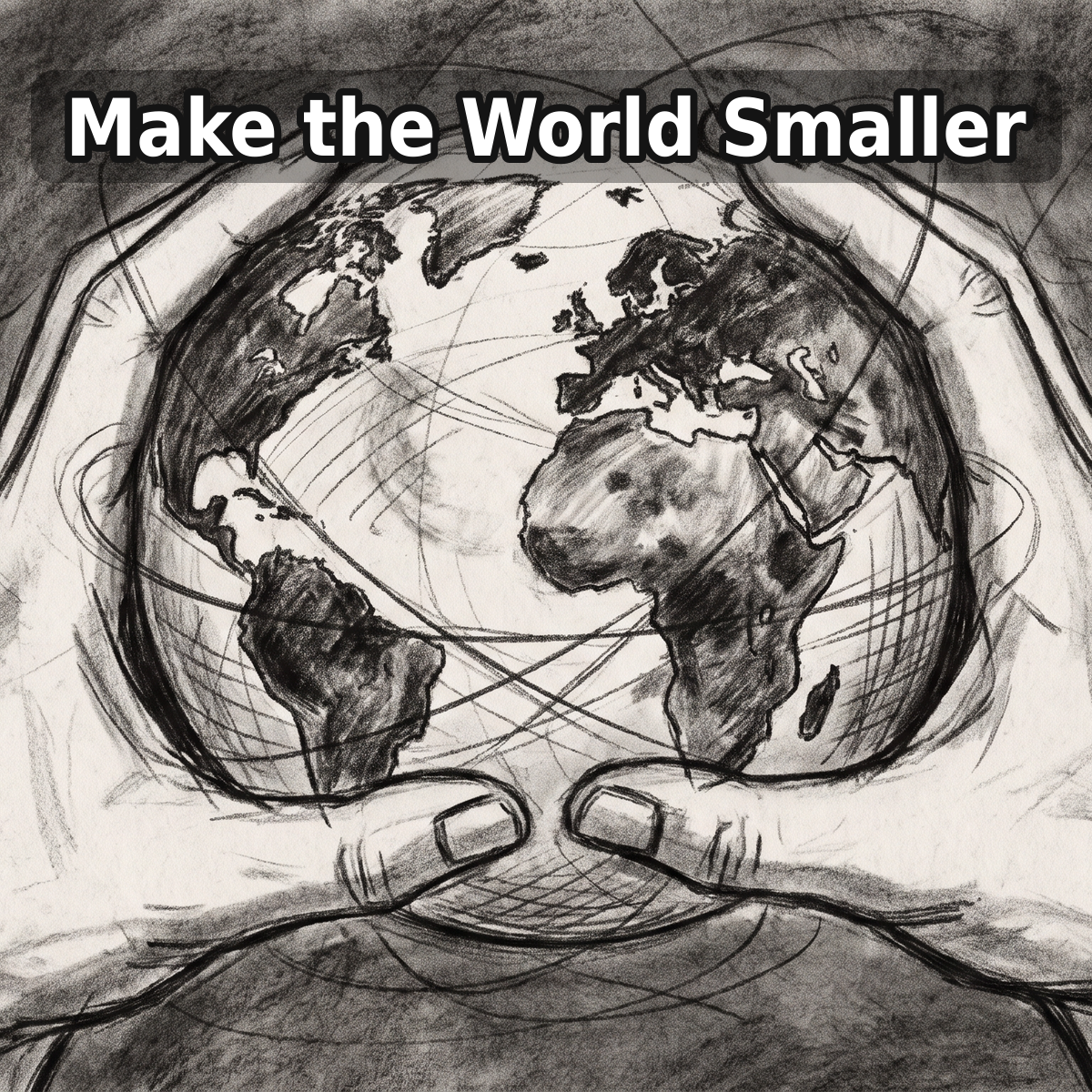
The author finds that thinking about everything they have to do creates significant stress, even if individual tasks aren’t overwhelming. They propose compartmentalizing their world, focusing on one task at a time, which helps manage the emotional weight of multiple responsibilities and allows for full attention on the current engagement.
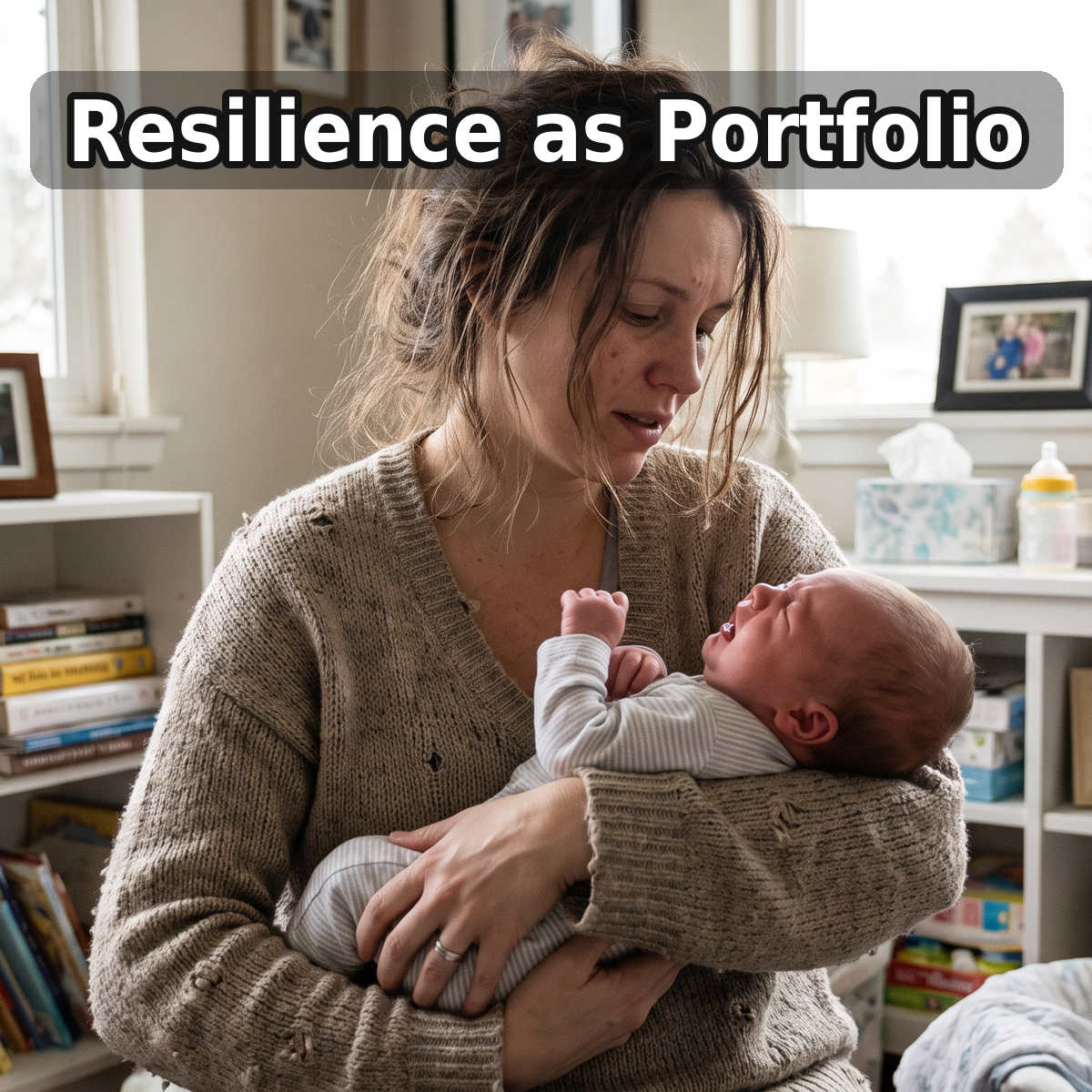
This piece, titled “Day 362 – Resilience as Portfolio” by Guy Reams, explores the concept of resilience in a comprehensive manner, suggesting it can be viewed as a portfolio of diverse strategies and resources.
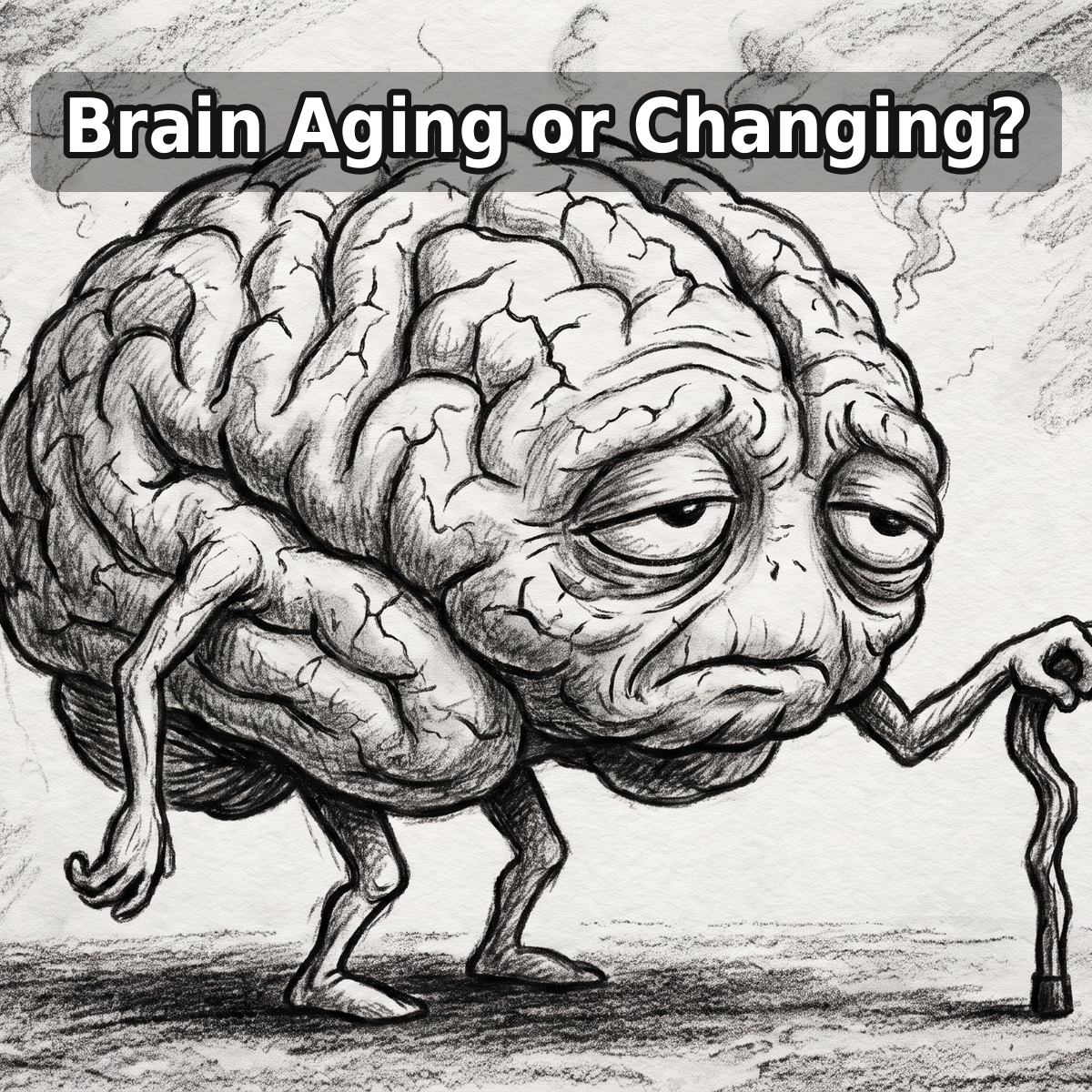
As we age, our brains may shift from remembering every detail to focusing on meaning and wisdom. This natural cognitive shift, supported by research from the University of Arizona, suggests that difficulty recalling minutiae isn’t a sign of decline but an adaptation towards higher-order thinking.