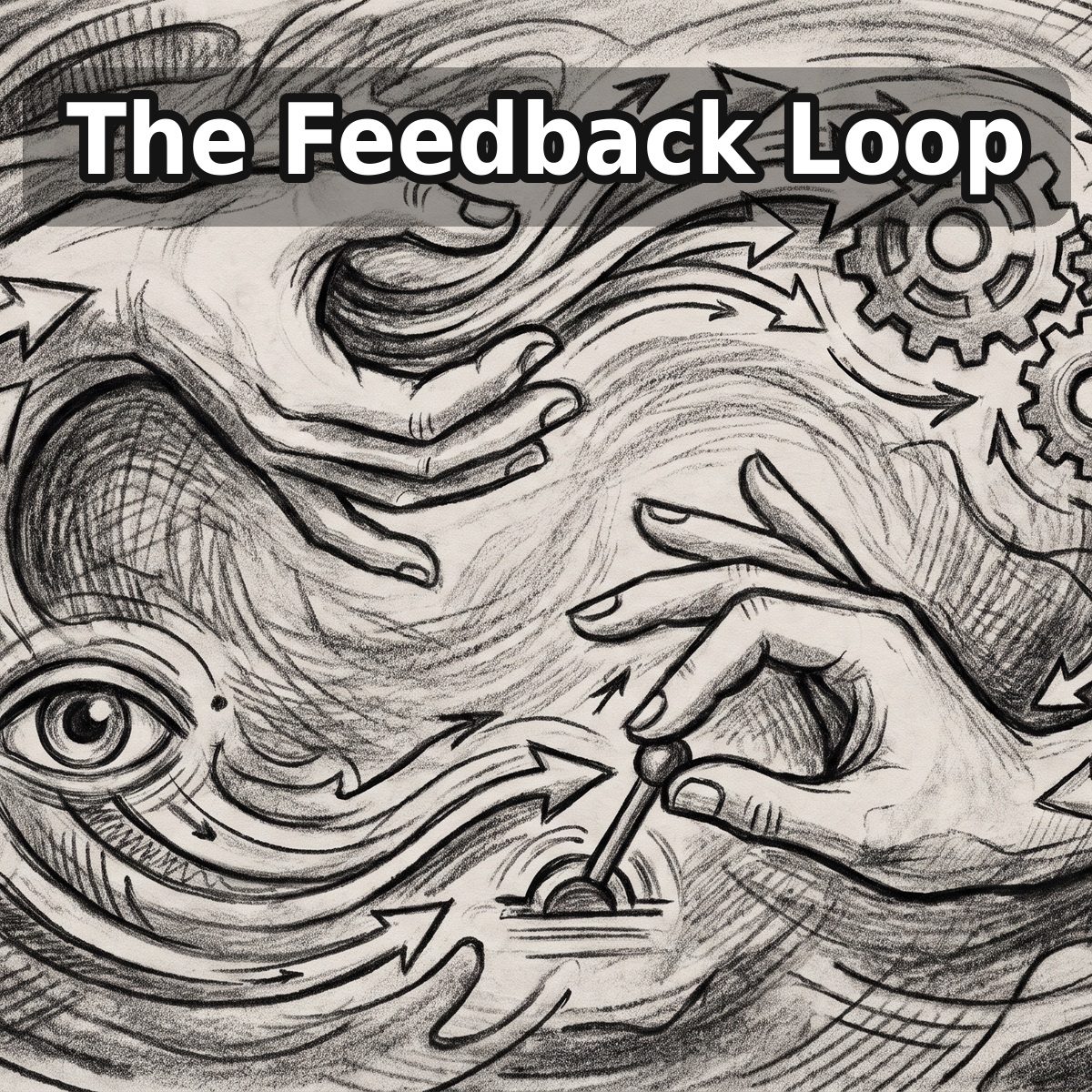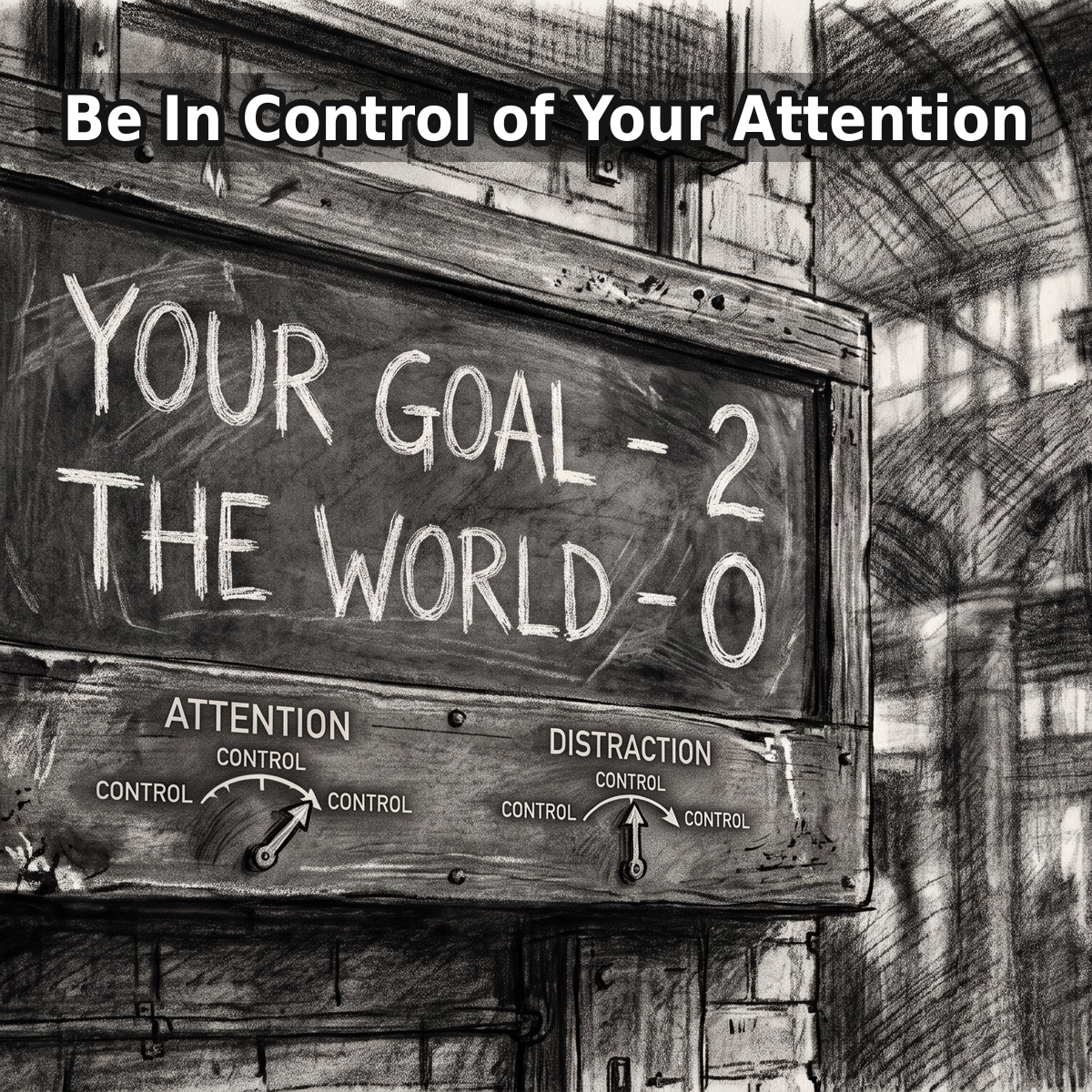
The primary focus of modern computing has historically centered on reducing labor costs, a concept encapsulated by the term ‘productivity.’ Following the advent of major computing machines by corporations such as IBM, there was a significant surge in productivity improvements. However, by the 1980s, these gains began to wane. The low-hanging fruits of productivity enhancements had been harvested, leaving more complex challenges to address. This phenomenon came to be known as the ‘productivity paradox.’ The resolution to this paradox emerged through a shift in software development approaches, prioritizing user-centric design. This transformation led to more effective software projects and renewed productivity increases. This historical context prompts a reflection on a potential new productivity paradox emerging from the ubiquitous integration of technology into our personal lives.
The paradox becomes palpable as I sit at my desk, surrounded by a veritable smorgasbord of technological devices and software. My workspace is a testament to modern digital advancements: a desktop computer with multiple monitors, a digital watch, tablet, smartphone, laptop, e-reader, and an e-notebook. The space is further adorned with printers, scanners, cameras, speakers, and even IP-based LED lights. My computer alone has at least 25 active software subscriptions catering to various needs. This arsenal of technology could be seen as a beacon of high productivity – at least, that is the hope. Yet, there’s also a compelling argument to be made about the incredible potential for distraction. Reflecting on each innovation within my field of view, I realize that only a few are used consistently. The task of managing and maintaining this digital ecosystem feels akin to a full-time job, a sensation that eclipses the actual utility of these devices. In this era of relentless digital marketing, one begins to wonder if I am not merely a deeply immersed digital consumer rather than a paragon of productivity.
This observation leads to a poignant realization: technology, while ostensibly designed to enhance personal productivity, may, in fact, be doing the opposite. It appears to make us less productive for our own purposes while simultaneously increasing the productivity of those who profit from our roles as consumers. In essence, the sellers and marketers are reaping the benefits of productivity gains at our expense. This situation presents a modern productivity paradox in our personal lives. How do we navigate this complex landscape? Here are the steps I am undertaking to address this challenge.
Simplify. This has become my mantra as I critically evaluate the technology in my life, discerning what genuinely serves a purpose. Reduction, not accumulation, is now my guiding principle. By consciously streamlining my technology use, I am striving to focus solely on tools that directly contribute to achieving my personal goals. This process involves a deliberate assessment of each device and software’s utility, leading to a more intentional and less cluttered digital environment. The aim is not just to minimize the number of devices or applications but to optimize my interaction with technology so that it enhances, rather than detracts from, my productivity and overall well-being.
Selecting with Purpose. In my quest for digital efficiency, I actively seek technology innovations that streamline mundane and non-critical tasks. A prime example of this is my recent exploration of an email application designed to minimize the time I spend managing my inbox. This strategic choice has significantly boosted my productivity by reducing both the frequency and duration of my email interactions. The application’s intelligent sorting and prioritization features ensure that I only focus on truly important emails, allowing me to devote more time and energy to higher-value activities. This shift towards purposeful technology selection is transforming not just how I work but also how I experience my day-to-day life, paving the way for a more focused and fulfilling digital existence.
Time Blocking. I’ve created a disciplined approach to my technology use by implementing time-blocking strategies. This method involves dedicating specific time slots to certain devices and activities, thereby preventing constant and unproductive interactions. For instance, my phone now resides on a charging port on my desk from 7pm to 7am, effectively curbing my habit of late-night scrolling. Similarly, my digital watch is reserved exclusively for running sessions and removed afterward to avoid constant notifications. Social media engagement is confined to a designated morning period, specifically for making posts. As for emails, they are checked and responded to only during a predetermined time slot within my day. This structured approach has not only reduced distractions but also fostered a more mindful and purposeful use of technology, significantly enhancing my focus and productivity in both professional and personal spheres.
In conclusion, the journey through the modern digital landscape is one of balance and intentionality. A new paradigm of personal productivity and digital wellness has emerged by embracing simplification, selecting technology with purpose, and adhering to time-blocking strategies. These methods challenge the traditional narrative of technology as an unmitigated boon to productivity, highlighting instead the importance of mindful usage. The experiences shared in this article underscore a crucial lesson: when harnessed correctly, technology can be a powerful ally in enhancing our efficiency and quality of life. However, it requires a conscious effort to transform it from a potential source of distraction into a tool for meaningful engagement and productivity. As we navigate the ever-evolving digital era, it becomes clear that the true measure of technological advancement lies not in the quantity of our digital interactions but in the quality and purposefulness of those engagements.