This weekend, while coaching my nephew to ski, I stumbled upon a profound realization. Initially, I bombarded him with instructions and what to focus on. Sure, there was some improvement, but it was short-lived. Soon, he began overthinking, leading to frequent falls and mounting frustration. In a moment of insight, I stepped back, letting him figure it out alone. My cousin, an adept skier, was there too. My nephew, following her down the slopes and mimicking her style, began to improve astonishingly. This breakthrough moment reminded me of Timothy Gallwey’s “The Inner Game of Golf,” a gem sitting on my bookshelf.
Timothy Gallwey isn’t just any author; he’s a revolutionary in the world of coaching. His “Inner Game” series, transcending beyond the realm of sports, has been a game-changer. Why? Because Gallwey flipped the script on traditional coaching methods. He shifted the focus from external instruction to internal discovery, a move that has significantly impacted not only sports coaching but also business and personal development.
At the heart of Gallwey’s approach lies the concept of the “Inner Game” – the psychological battle we all wage within ourselves. It’s about the mental barriers, the negative thought patterns that often handcuff us more than any external challenges. Gallwey’s insights delve deep into this internal struggle, highlighting how our biggest adversary is often our own self-doubt and over-analysis.
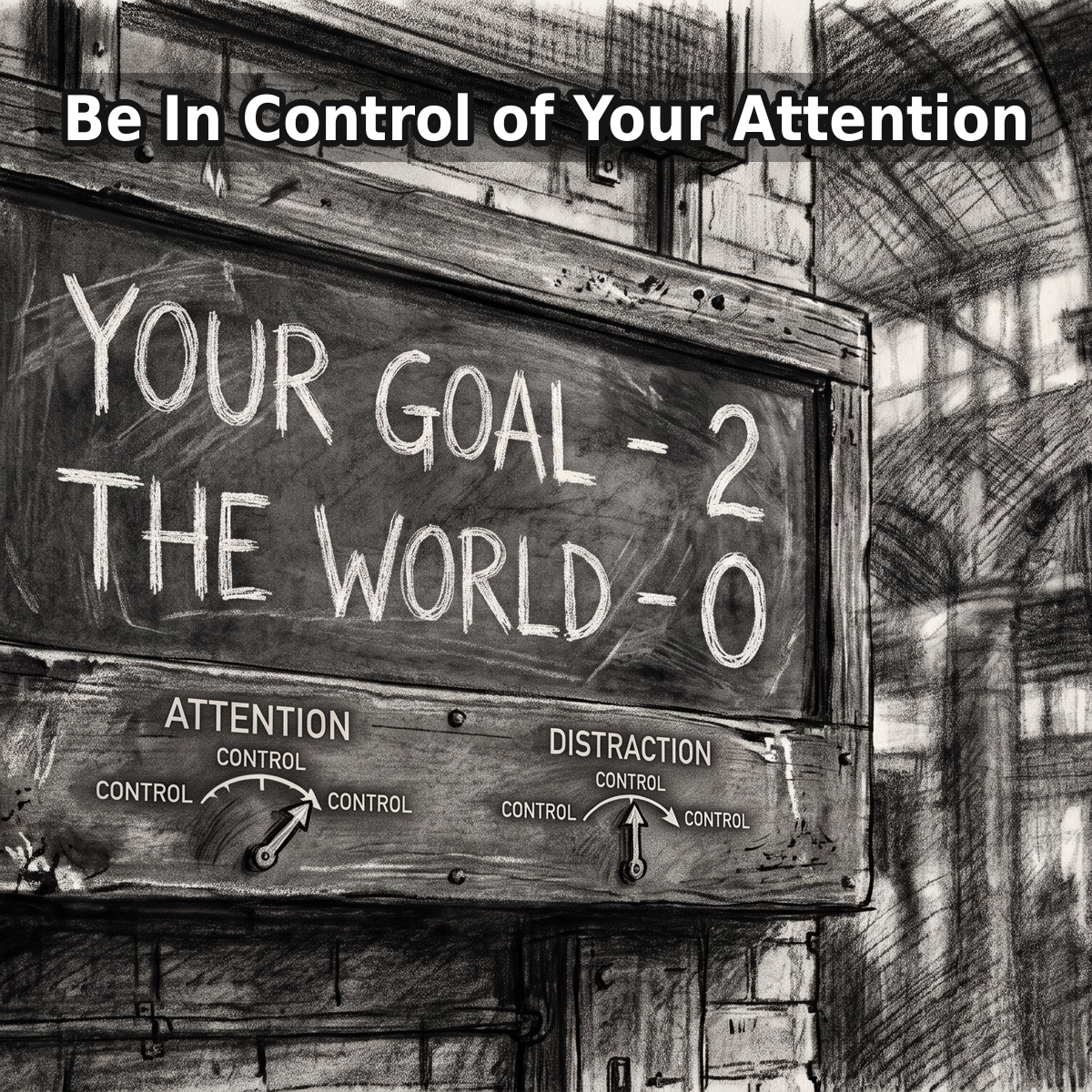
Central to Gallwey’s philosophy is the concept of trusting “Self 2” – the part of us that controls our movements and actions instinctively. This is about tuning into our natural abilities and letting them take the lead, rather than overthinking every action. It’s a subtle yet powerful shift from being hyper-aware of every technical detail to trusting the body’s intuitive intelligence.
So, circling back to Gallwey’s poignant quote, “The opponent within one’s own head is more formidable than the one on the other side of the net.” It’s a stark reminder, especially for us who coach or mentor others. We must understand that people learn best from experience, in a state of relaxation and focus. Our role? To create a non-judgmental environment that nurtures this natural learning process. So, next time you’re tempted to bombard someone with advice, remember, sometimes the best support you can offer is the space to discover and overcome their personal barriers. After all, the true game is played within.