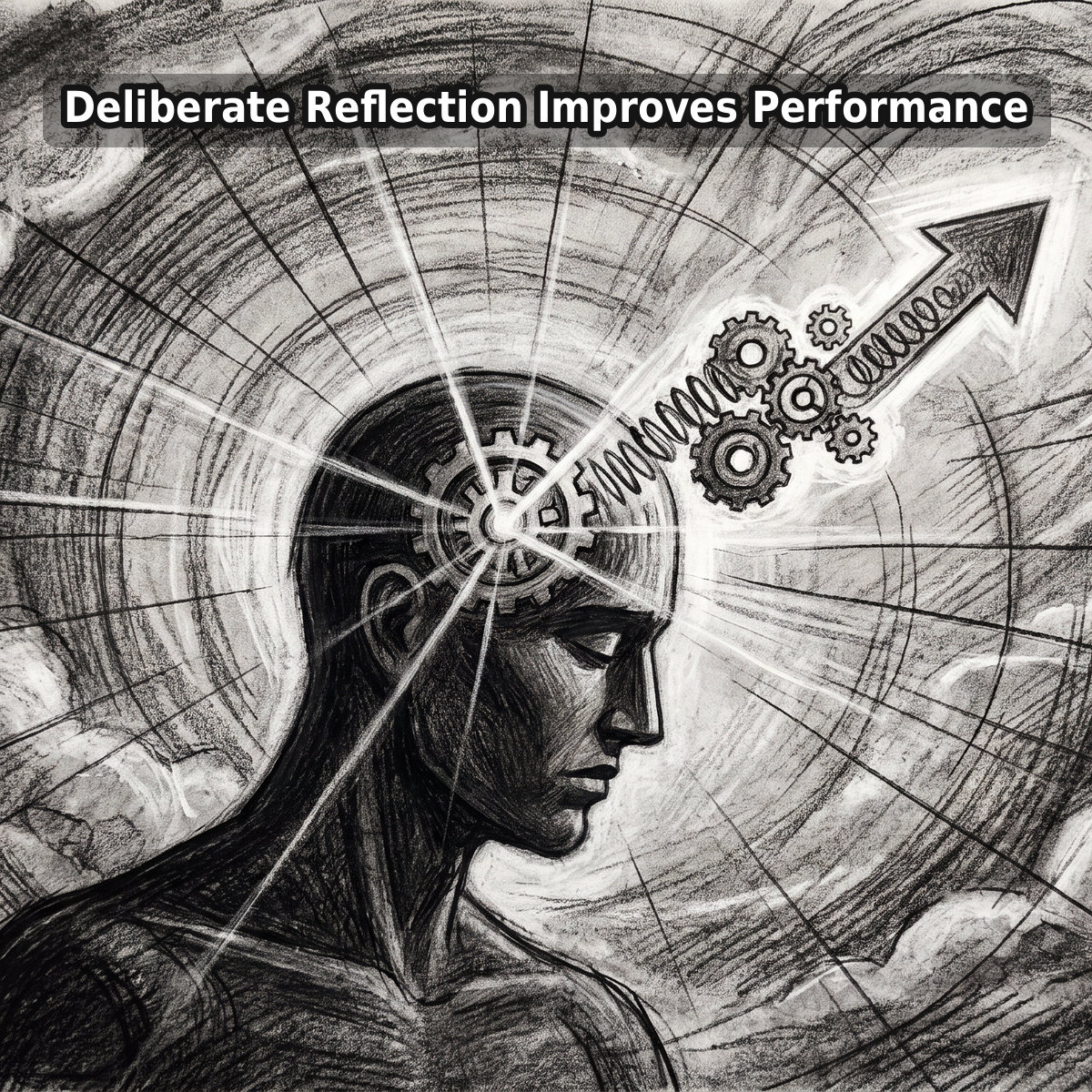
In our quest for progress and efficiency, we often hear the well-intentioned advice: “keep it simple.” This phrase, while catchy, oversimplifies the journey to achieving true simplicity. It’s a misconception to believe that we can start out with simplicity. We, humans, are organically inclined towards complexity, much like any other living entity. Consider a tree: as it grows, it spreads its roots and branches in seemingly chaotic patterns. However, over years, a clear design emerges, optimized for water, nutrient absorption, sunlight, and protection. This illustrates a vital truth: simplicity isn’t a starting point, but a destination reached through considerable effort and growth.
Think of simplicity as a reward, not a given. It’s earned, not handed to us. Take Albert Einstein, for instance. His theories revolutionized how we perceive the universe. His most renowned equation, E=mc², encapsulates a complex concept in a simple form. This equation, now universally recognized, didn’t start simple. It was the culmination of Einstein’s relentless pursuit of understanding, a representation of mass and energy’s interchangeability in a form so eloquent yet born out of complex thought processes. This journey from complexity to simplicity is not just a scientific phenomenon but a life principle.
This principle holds immense value, especially for our community of striving professionals and diverse individuals. We are all on a quest to become stronger and more resilient. But let’s face it, resilience doesn’t sprout from simplicity; it’s forged in the furnace of complexity and challenge. Embracing complexity doesn’t mean we revel in making things unnecessarily complicated. Rather, it’s about recognizing that the path to elegance and simplicity is through understanding and working through complexity.
Simplicity, therefore, should be seen as a goal, a result of dedication and purpose. It’s the distilled essence of our experiences and efforts. In our professional lives, simplifying processes and concepts is often crucial. But this shouldn’t be mistaken for an easy or straightforward task. It involves delving into the depths of complexity, understanding it, and then, with great effort, distilling it into something more manageable and comprehensible.
In conclusion, let’s shift our perspective. Instead of aiming for immediate simplicity, let’s embrace the complexity of our journeys. Let’s understand that the chaos and challenges we face are stepping stones to achieving a simpler, more efficient state of being and operation. Remember, true simplicity is a testament to effort, understanding, and growth, not a starting point. Let’s embark on this journey with the acknowledgment that, in the end, simplicity is indeed earned.