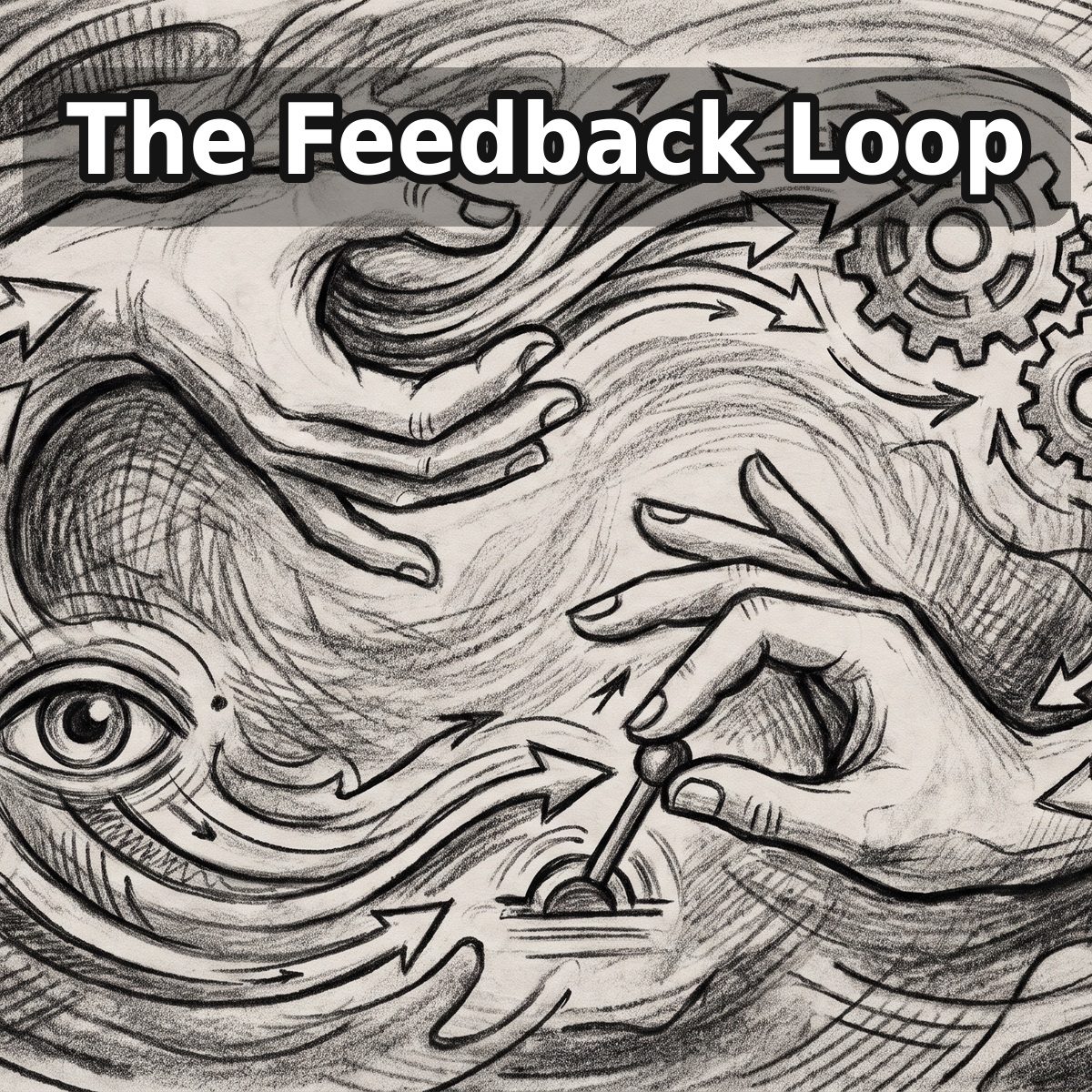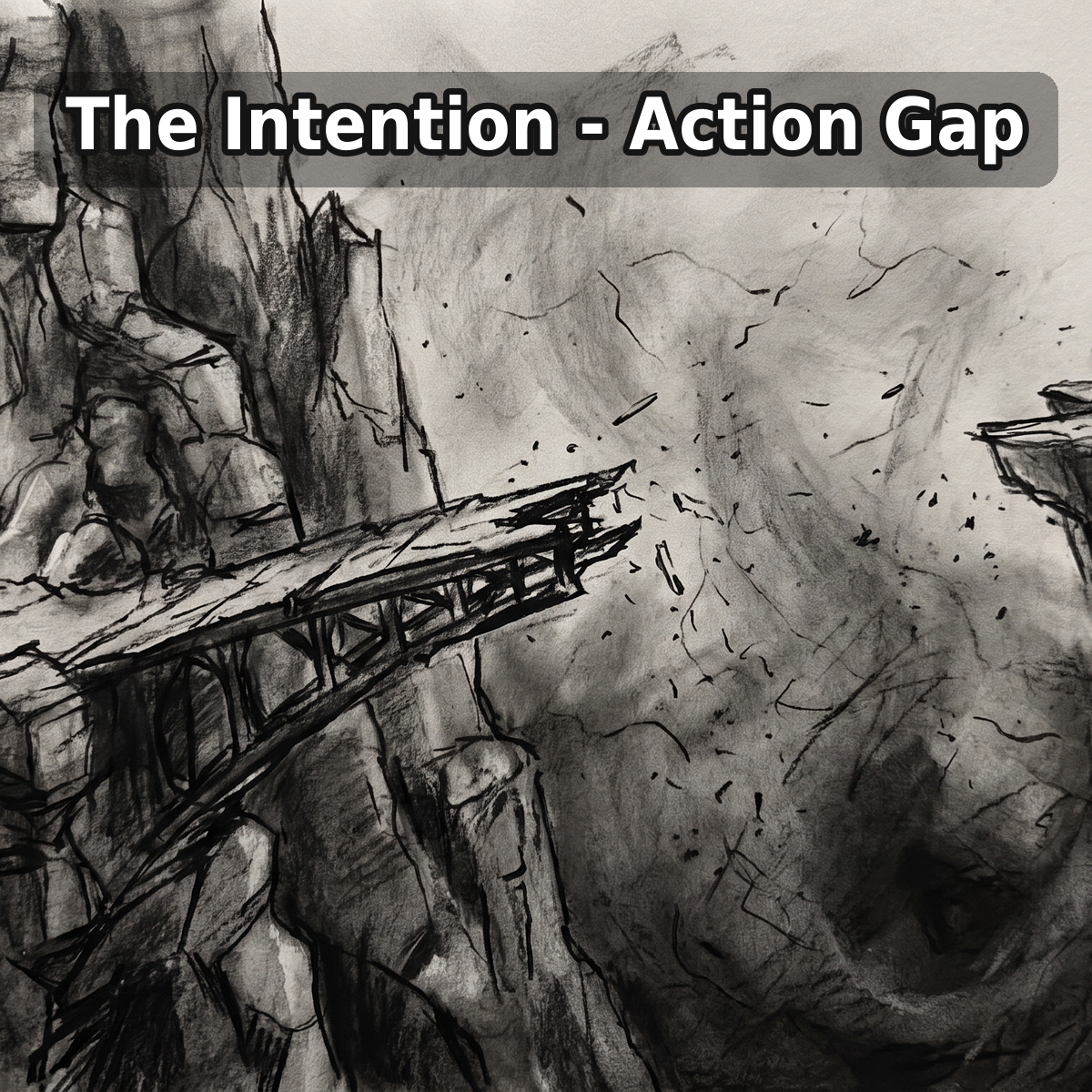
Hope is a wonderful concept. It helps you get out of bed in the morning. It helps you see the silver lining on the worst of days. Hope can keep you motivated and also can serve as the first small seedling in a new venture. Hope is one of the big three of human aspirations, for without hope, what would be our purpose? Hope is many things, all of them beautiful, but what hope is not is an excuse.
The Danger of Misplaced Hope
There is a danger in having our hopes rest in some future ambition, some major win, or new development in our lives. The danger is that we will stop doing what is necessary for our success, instead relying on the hope of a future event. Hope should never replace the hard work necessary to realize the ambition that we are inspired to achieve. Every dream requires the sufficient difficulty and quantity of work necessary to produce the desired outcome. Hope should never cause that to diminish or to slow down.
From Lottery Tickets to Sales Quotas: The Misuse of Hope
Let me provide you with an extreme example and then work toward less obvious ones. Imagine this morning you went to a gas station and bought a lottery ticket, hoping the large prize will be yours in a week’s time. This hope might become so strong that you decide to quit your job, mistakenly believing you no longer need to work. This illustrates that hope should never become an excuse for not doing something critical for our success and progress.
Similarly, the story of a salesperson who relies on a single big deal to reverse six quarters of poor performance demonstrates how hope can become destructive. By focusing solely on this hopeful deal, they neglect the necessary activities that normally bring success.
The Subtle Traps of Hope
Other examples are more subtle, such as delaying dietary improvements until a future date, which is a form of procrastination and over-reliance on hope. This behavior is not limited to diet but can extend to many areas of our lives.
Hope as a Catalyst for Action
However, hope can also be a catalyst for positive action, as shown by an entrepreneur who, despite hoping for new investment, continued to focus on acquiring new clients, ultimately securing both funding and new business. Similarly, a job seeker who continued to apply elsewhere, even after an encouraging interview, eventually found employment through continued effort rather than relying solely on one hopeful opportunity.
Conclusion: Hope Should Inspire Action, Not Inaction
We all need hope. It fuels us and keeps us going. Hope helps us shed light on the dark days and truly enjoy the bright ones. Hope is one of the foundational concepts of being human, so we should cherish the hopes and dreams that we have in our lives. However, hope should never become an excuse for not doing the work. At the end of the day, hope should fuel our desire to work hard, not give us a reason to not do anything. Hope should therefore lead to action, not passivity.