I am sure that you have priorities. I know that I do. I have several of them, each critically important to me, or at least that’s what I tell myself. It feels good to establish a bunch of lofty idealistic ambitions and set objectives to achieve them. However, if I inspect my life carefully and track my time and what I choose to work on each day, I will soon discover what my real priorities are.
You simply cannot hide the fact that you vote for your top priorities with your time. What you choose to spend your time on is your real priority. That is the ultimate deciding factor on what is important to you. You can lie to yourself and others all you want. You can say that you really love your family, that you really love your God, or that you really want to be a successful business owner. Whatever your publically declared passion is will amount to nothing if you do not spend the time.
The True Currency of Life
Time, when all is said and done, is your only real currency. Time is the only item that accrues interest and does not corrupt. Unfortunately, you cannot save time. You cannot make time. You cannot create new time. You can only spend what you have and choose, each and every day, every moment, every weekend, every morning and evening, where to spend this precious currency. It is exclusively up to you as to where and how that time gets spent.
Spend Wisely
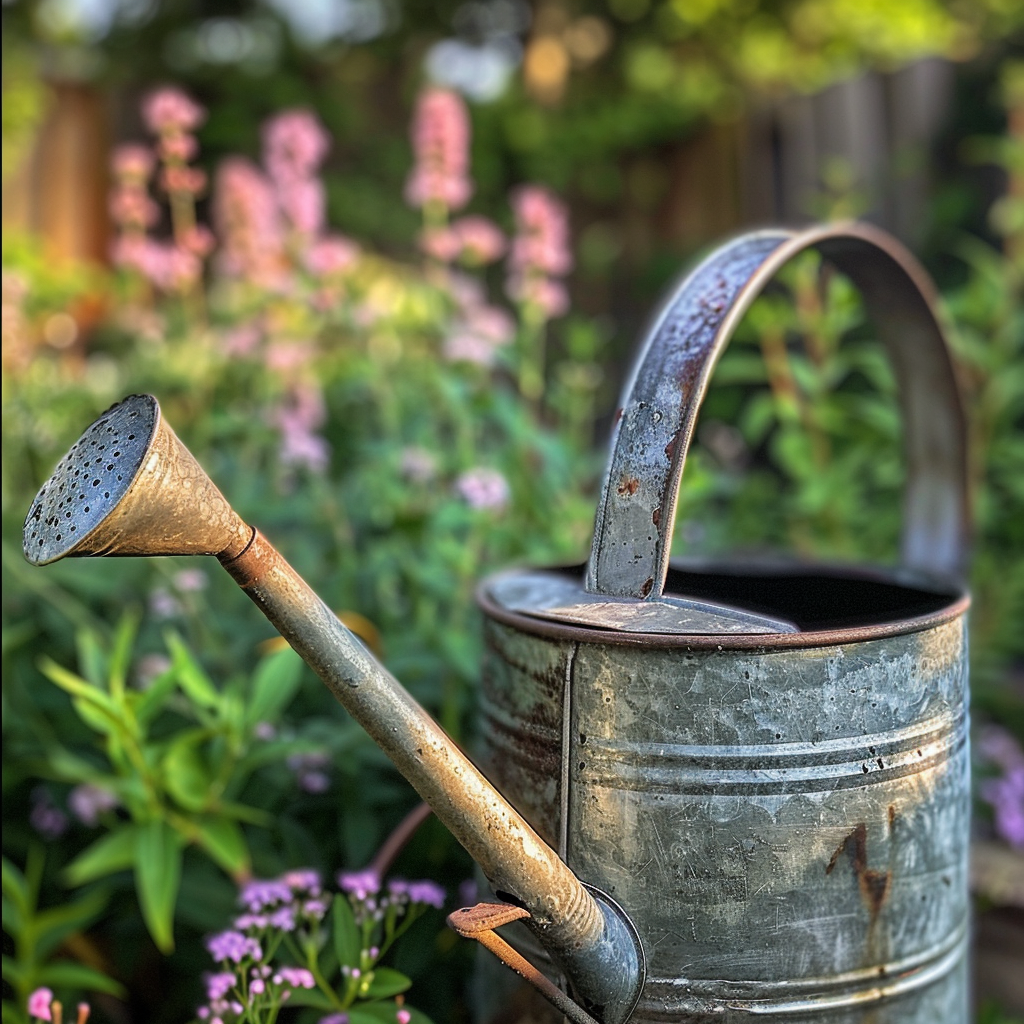
If the currency of time was a watering can with only a small supply of water, where you choose to water the garden of your priorities will thrive. The rest will wither and die. As with all people, your list of priorities is far too big. The garden cannot possibly all be watered with the same watering can. Your supply is limited and therefore you must choose which section to water. This analogy is a great way to think each morning as you decide which priority you are going to focus on. Be careful, because each of your priorities needs constant watering, most everyday.
The Consequences of Mismanagement
You will learn soon enough that if you take the approach of trying to spread your limited water throughout the entire garden, your supply will not be enough and everything will die. That is what happens when we spread ourselves too thin and we do not have enough time to give each of our priorities proper attention. Additionally, you will learn that if you just wander around watering here and there with no real purpose, the same thing will happen. Everything will suffer, and soon you will be watering dead plants and see no growth at all.
Reflect and Adjust
Spend some time today and evaluate where you are spending your time. What areas in the garden of your priorities are you watering consistently? Those are your real priorities. That is where you are casting your only vote. If you do not like your selection and that is not aligned with what you really want to accomplish, then you had better change quickly. Unfortunately, we will all learn soon enough, time runs out.