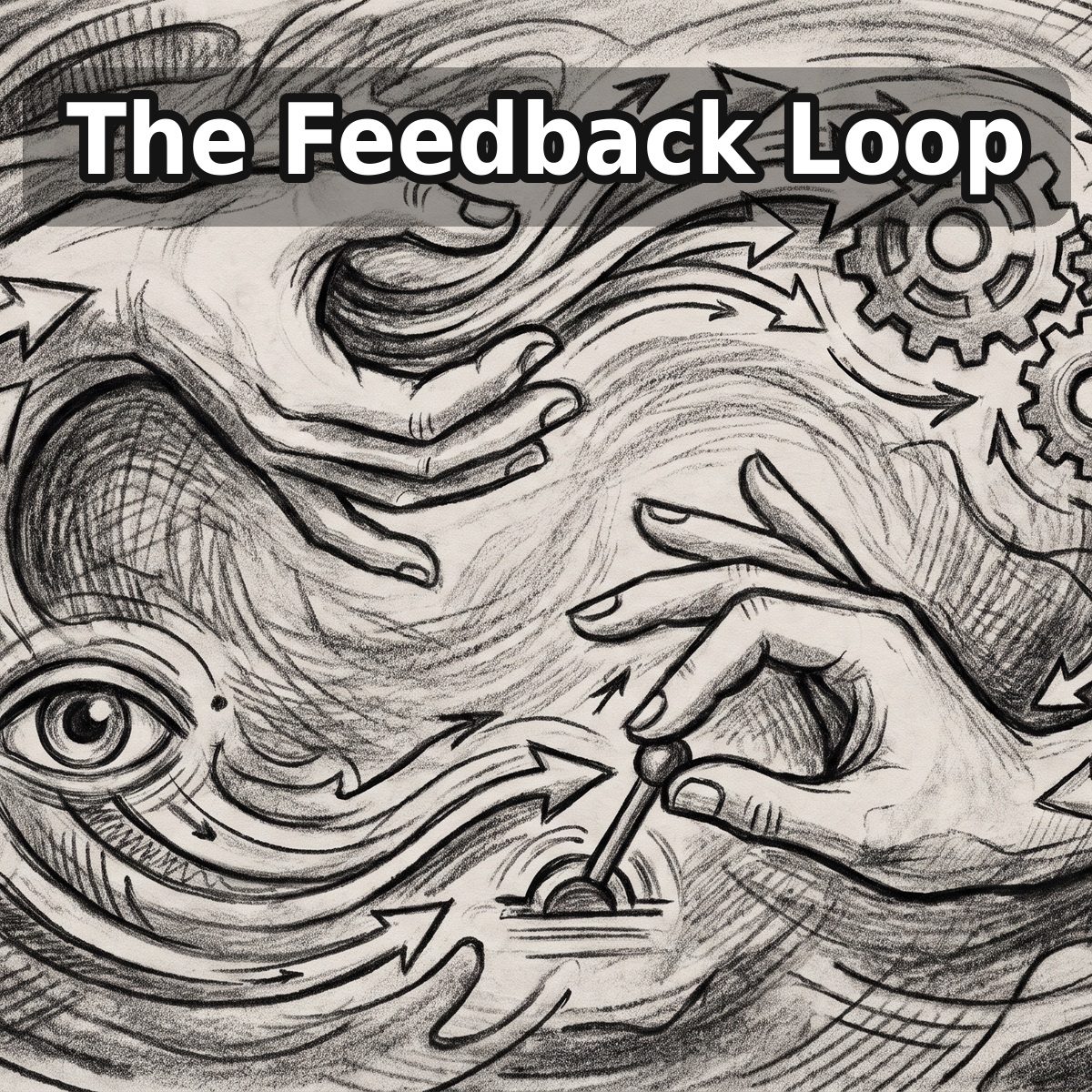
This is a message to tell me and anyone else who cares to listen/read that you should build into your life a way to receive consistent feedback. In a business, we frequently talk about feedback loops, the concept of asking for and receiving feedback from our clients. This is intended for us to stay on top of any pending issues we might have that could lead to customer churn. Maintaining and keeping customers is the life force of any company, so to ignore customer feedback is to invite failure. As a consequence, feedback is earnestly sought, whether good or bad. The same principle applies to our personal and professional lives.
Feedback is critical yet rarely sought. We tend to recoil at getting any adverse feedback unless people shower us with adoration, and we tend to become defensive and withdrawn when receiving anything less than positive. This is because we are not used to getting feedback because it is never consistent. We get feedback occasionally, and sometimes it is good, but often it is poor as well. Consequently, we avoid it. This is not a great behavior; we should be receiving feedback constantly so that we can incorporate that feedback into our lives at regular intervals.
If we get used to feedback, the impact of anything negative is lessened. We get used to incorporating that back into our routine and make adjustments accordingly. When we hide from feedback, then one small piece of negativity will send us into a tailspin. This is not healthy and certainly not productive. The only way to get good at receiving feedback is to have it built into your everyday life. We should be seeking, asking for, and open to listening to feedback when it is provided. We should be willing to ask the question, “how am I doing?” Then, sit back and listen intently and not interrupt until we have heard the feedback clearly and understand what is being said to us.
Getting started with this process is dificult because most of us have not built in feedback loops into our lives at all. So it will take considerable effort to identify the ways and means to get this value data flowing to you. Most likely, when you first approach people, they will react negatively. This is because you have been avoiding their feedback for so long that they will be suspicious of your intentions. You will need to overcome that. In a pinch, you can hire professionals such as a coach or counselor who you pay to give you feedback. However, even if you pay someone, you should earnestly seek to repair the feedback loop that you have ignored for far too long. Rebuild that reciprocal relationship with your spouse, children, friends, parents, and colleagues.
Once you reestablish these channels and have a method for regularly getting feedback, you will be amazed at how vacant your life was before. Active and thriving feedback loops are a treasure that can serve as a tremendous vehicle for you to test progress, investigate ideas, get a feel for how things are going, and understand early warning signs of a bad path you may have accidently veered off on. Regular, consistent feedback is a powerful tool that the most productive and healthy people naturally build into their lives. If you have not pondered this concept before, I highly recommend getting started right away. A solid, well-established feedback loop can take a lifetime to build.