I was randomly getting sucked into a vortex of video suggestions on a social media platform last night when it landed on a clip advertising a season of the documentary called “Alone.” If you are not aware, this is a show where people get dropped off in the middle of nowhere and they have to survive by themselves, including filming themselves. It is not this staged affair with camera crews always standing by. The winning contestant has to outlast all the others; sometimes, this takes many months. The show introduces all the emotional, mental, and physical struggles people go through when isolated and in severe environments. I watched a few episodes, and I learned one thing that has inspired me of late.
The people in the Alone episodes are constantly being bombarded by variability. They have to adapt to ever-changing conditions constantly, and it is this randomness that tests the resolve and ability of these trained wilderness survival experts. Now, it has been proven in scientific studies that variability is a key component of a physical fitness program. It seems that the human species was completely designed around this concept. Watching people try to survive in this condition, some of them start to adopt flexibility and adjust as needed to the changing conditions. These are the ones that make it to the end, and then it is a matter of circumstance and sometimes sheer luck that proves the winner.
This got me thinking more about variability. Maybe, my life is too predictable and that is the root cause of some of my issues? I seem to hit plateaus that are hard to get past. I get into states of discouragement because it is hard to stay motivated when everything is the same. There is one thing that is certain in the “Alone” documentaries: these people are definitely not cursed with “sameness.” Unless, of course, they get snowed in their shelter, and then they quickly fall apart. That sameness kicks in, and they start getting homesick, and pretty soon, they are tapping out. So I wondered today, how often am I “tapping” out because of the lack of variability?
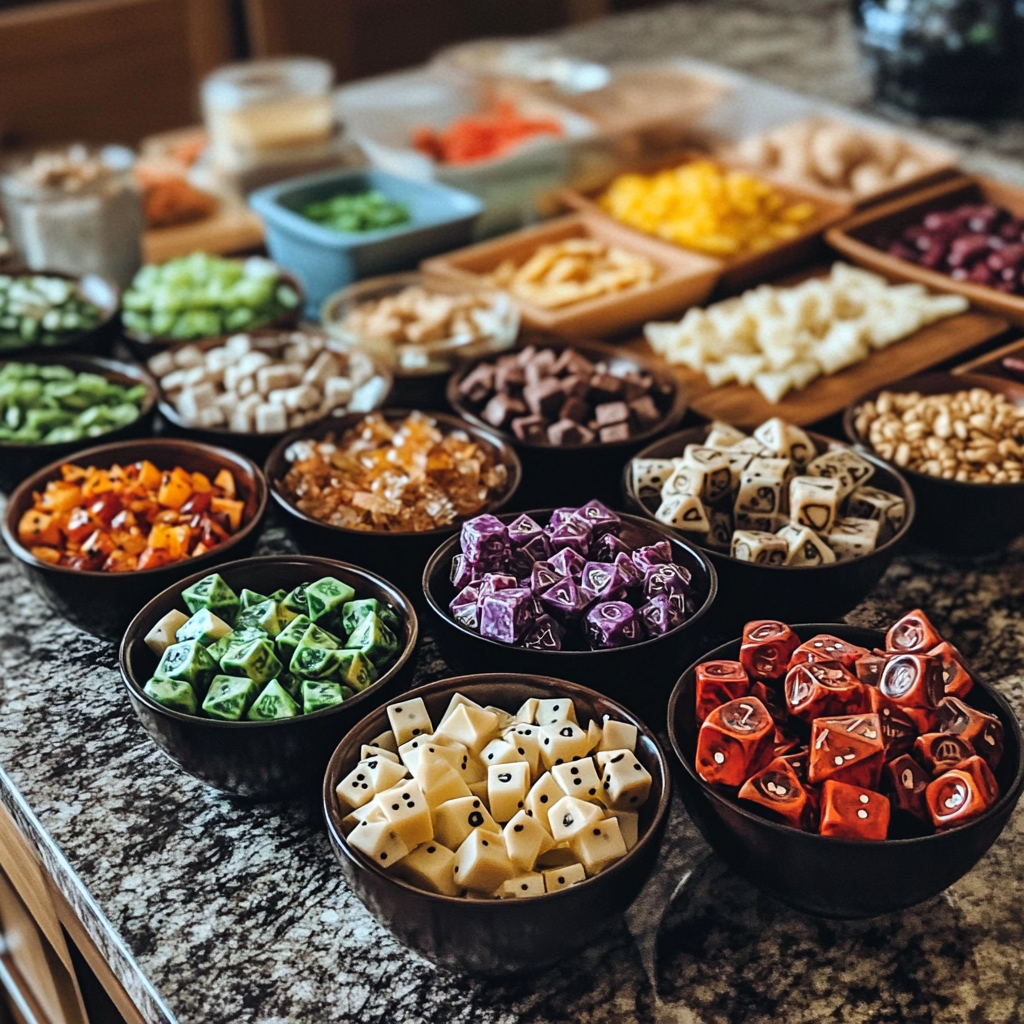
This is going to sound a little crazy, but I found a purpose for a pack of DnD dice that have been collecting dust on my bookshelf. I decided to create a simple little formula on what I get to eat and what I have to do physically at various times. So I started the day with this variability – instead of my normal course, this morning, the dice came up that I got to eat 3 eggs, 1 strawberry, 5 raspberries, and 3 blackberries. The dice also said I had to walk 2 miles at a brisk pace. Then, around lunchtime, the dice only allowed me to have 3 ounces of chicken breast, and that was it. Nothing else. I was then required to do 35 pushups and walk up and down my stairs 19 times. I need to improve my randomized formula, but this is definitely interesting. Now I am sitting here typing feeling hungry and sort of dreading the next dice roll. Will I get to eat something good tonight? Perhaps I will come up with a 0 and have to go to bed famished. What if I end up rolling a 10-mile run and 75, 150-pound deadlifts?
This has created a new form of tension in the day, so I am curious about this variability experiment. What else could I do to introduce random requirements in my life? I just rolled a d20, it looks like I have to call 13 people that I have never met before. Here goes.