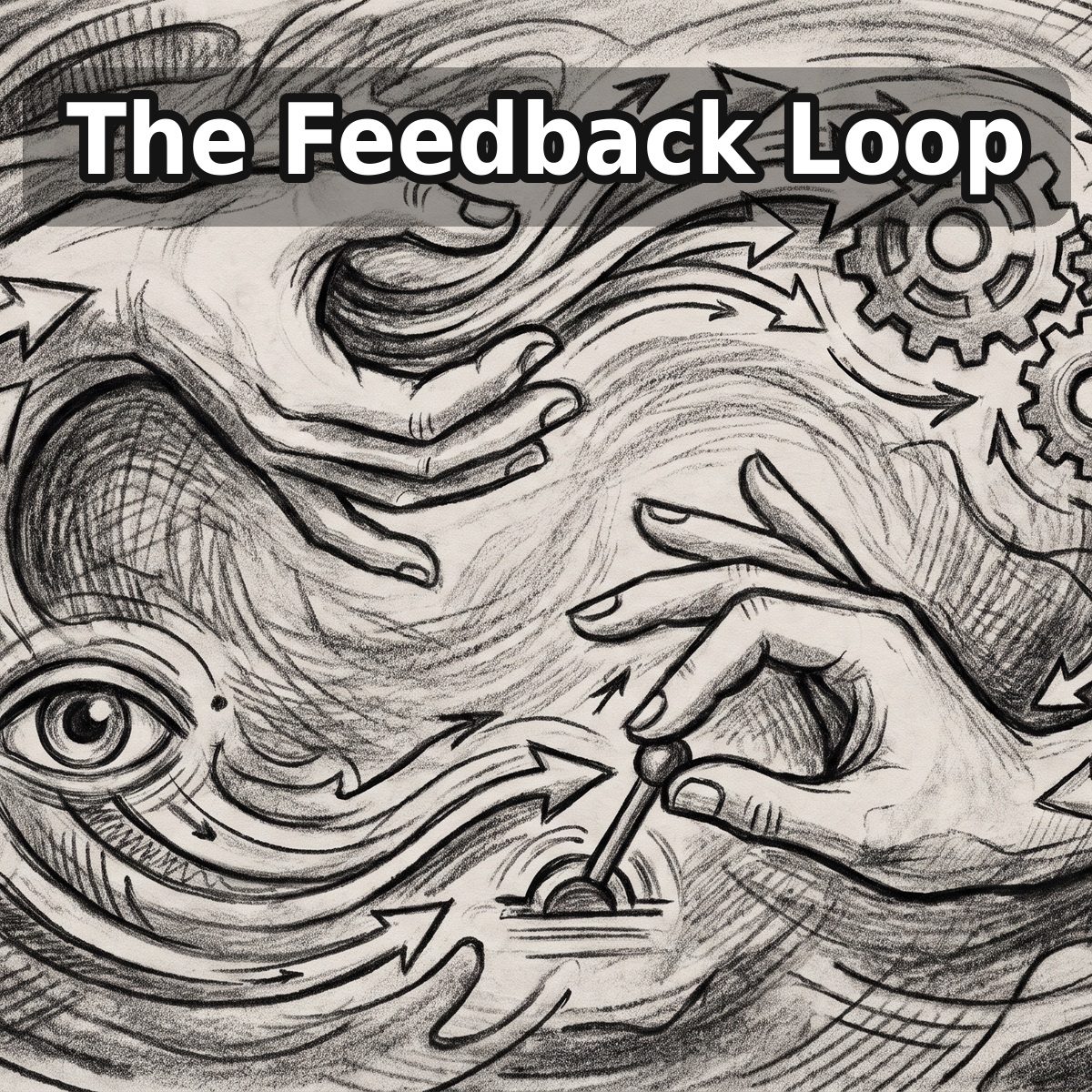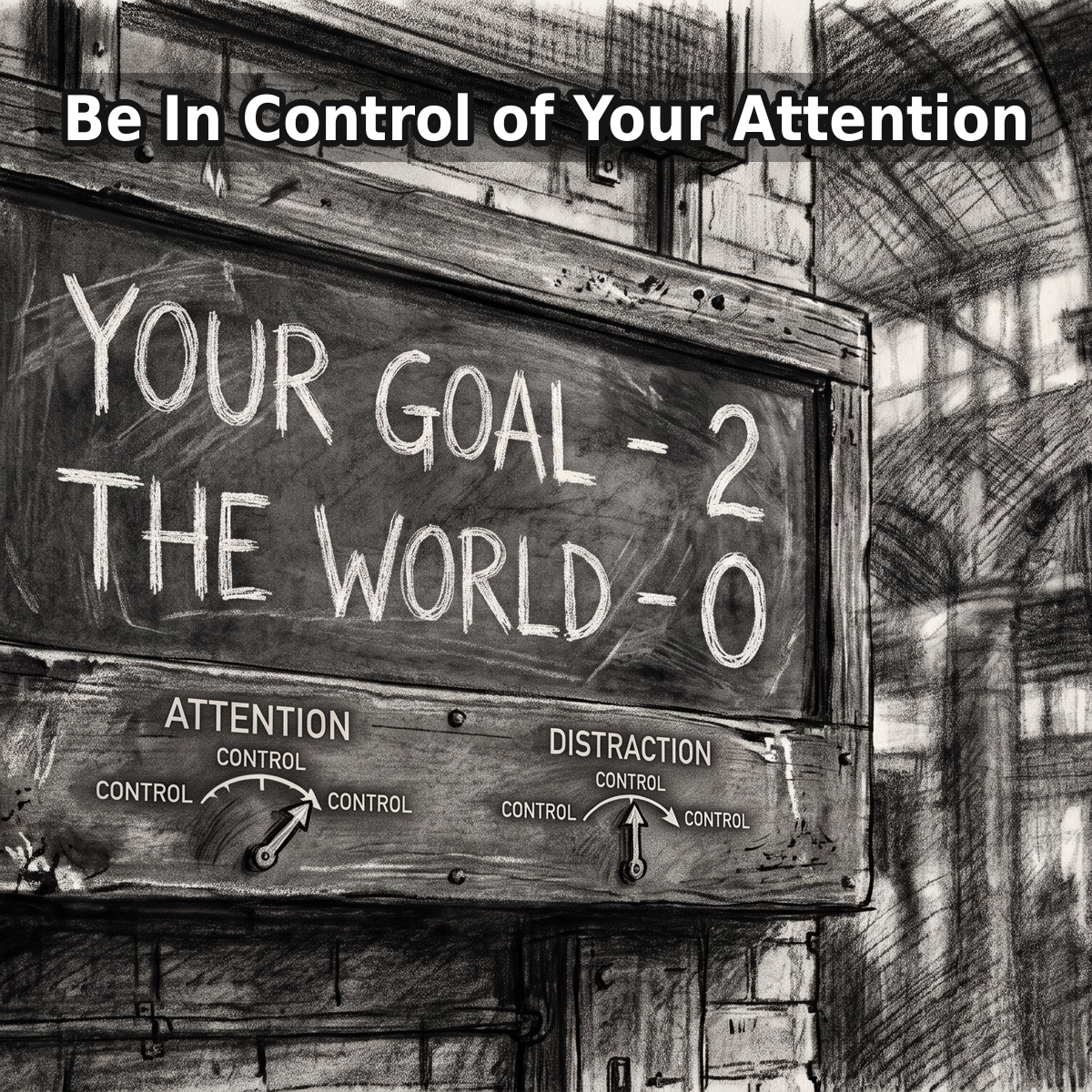
We’ve all been there. You’re sitting at your desk, staring at a growing to-do list or that endless email inbox, and suddenly, everything feels like static. Your mind is racing from one thought to another, but nothing is sticking. You’re trying to focus, but it’s like holding sand in your hands—no matter how hard you try, it slips through your fingers. It’s at moments like these that you know something’s off.
Confusion and lack of focus aren’t just frustrating—they’re signals. These are the red flags your mind raises to let you know it’s time to pause, reflect, and realign. We live in a world that celebrates non-stop productivity, where we’re constantly moving from one task to the next, chasing deadlines, goals, and expectations. But what happens when your mind refuses to keep up with the pace?
Here’s the truth: feeling confused or struggling to focus is your body’s way of telling you it’s time to stop. It’s time to take a step back and reflect on what’s really going on. Just like a computer needs to reboot when it starts glitching, your mind sometimes needs a reset too.
When we ignore these signals, we’re doing ourselves a disservice. It’s easy to push through, to think we’ll find clarity if we just keep going. But often, the opposite is true. Pushing through the fog only makes it thicker. The best thing you can do when confusion sets in is to give yourself permission to pause and recalibrate.
This is where mindfulness and reflection come in. Instead of fighting your lack of focus, lean into it. Stop what you’re doing. Take a few deep breaths. Step away from your desk or your current task. Ask yourself: Why am I feeling this way? What’s pulling my attention in different directions? Sometimes, it’s an external distraction—other times, it’s an internal conflict between your goals and what you’re currently working on.
Reflection isn’t about solving every problem in the moment. It’s about creating space for your mind to wander, to breathe, and to reset. It allows you to regain clarity and recognize what’s most important in the chaos. You may find that the thing you’re obsessing over isn’t what really needs your attention. Or, you may discover that you’ve been neglecting something more important, and your mind is trying to redirect you.
Staying committed to your goals requires more than just pushing through moments of confusion; it requires embracing them as part of the journey. These moments aren’t setbacks—they’re opportunities. Every time you pause and reflect, you’re strengthening your ability to stay focused long-term. You’re not just reacting to the confusion; you’re actively using it to grow.
So, the next time you find yourself unable to focus, instead of getting frustrated, take it as a sign to step back. Give yourself space to think, to reflect, and to refocus. In that pause, you may find the clarity you’ve been searching for all along. Because sometimes, the most productive thing you can do is simply stop.