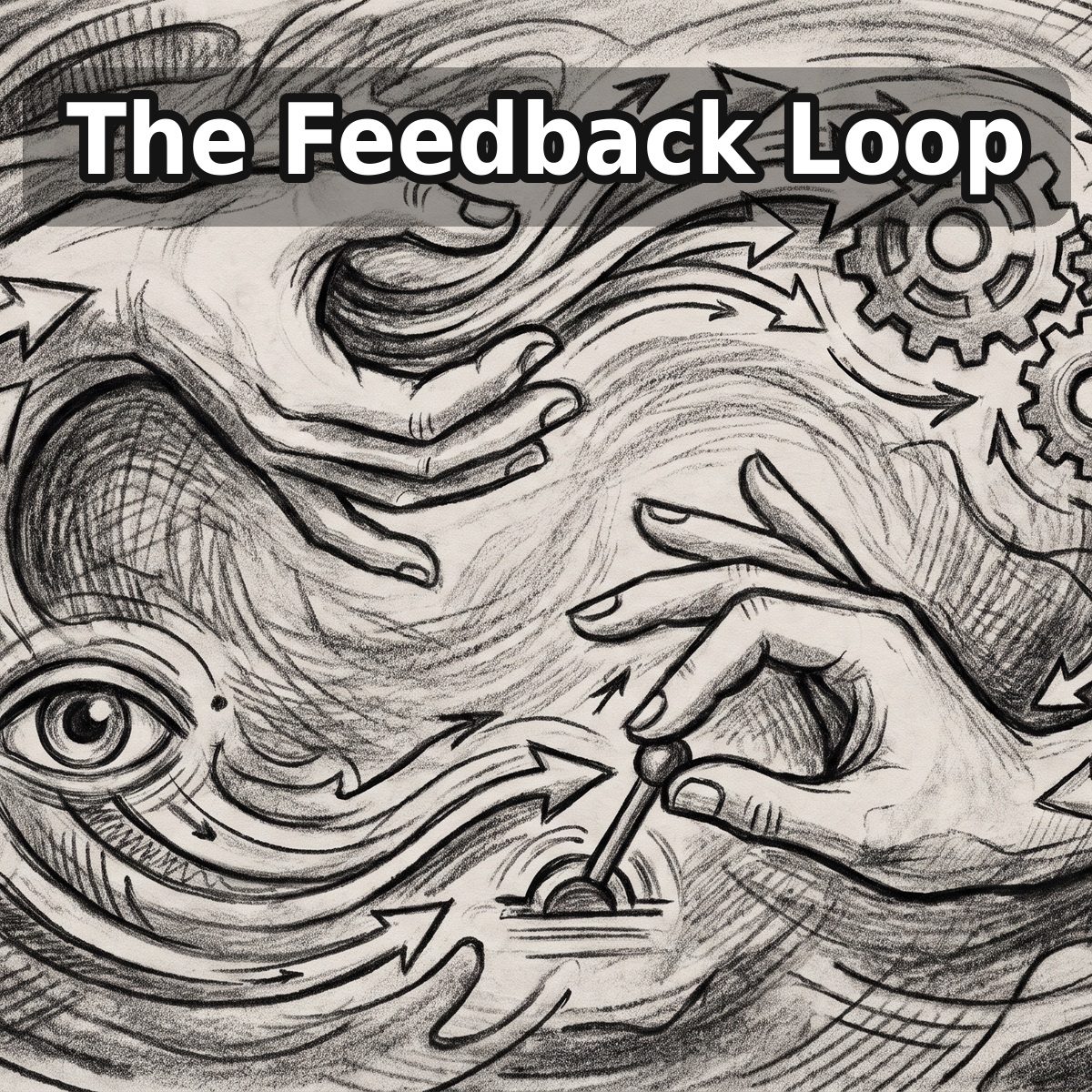
In today’s fast-paced world, automation is often touted as the ultimate solution to all our productivity woes. From automating mundane tasks to streamlining complex workflows, we’ve been sold on the idea that technology can lighten our load and free us to focus on more meaningful pursuits. But here’s a truth we don’t hear often enough: automation only works if you’re already efficient.
At first, this might sound counterintuitive. Isn’t the whole point of automation to make us more efficient? To save time and eliminate human error? In theory, yes. But the reality is, if you’re automating chaos, you’re just speeding up the mess.
The Foundation Matters
Before automation can deliver its promises, the underlying processes need to be solid. Imagine trying to install a high-tech irrigation system in a field that’s overrun with weeds. The water might flow efficiently, but it’s not nourishing the right things. Similarly, if your workflows are riddled with redundancies, unclear objectives, or poorly defined steps, automating them will only amplify those issues.
Efficiency is about clarity, focus, and intention. It’s knowing what needs to be done, why it matters, and how it can be accomplished with the least amount of waste. Without this foundation, automation becomes a band-aid solution, masking deeper inefficiencies rather than solving them.
Automate What’s Worth Automating
Not everything is worth automating. Sometimes, we get so caught up in the allure of tech solutions that we forget to ask whether a task even needs to be done at all. Efficiency starts with discerning what adds value and eliminating what doesn’t.
For example, if you’re automating email responses but half of those emails don’t actually need a reply, you’re not saving time—you’re just shifting the inefficiency to a faster conveyor belt. On the other hand, automating repetitive yet necessary tasks, like data entry or inventory tracking, can free up your mental bandwidth for higher-value work.
The key is to evaluate your workflows with a critical eye:
- Is this task necessary?
- Does it align with my goals?
- Can it be simplified before automating?
The Danger of Overreliance
Automation isn’t a substitute for discipline or accountability. It can handle the “how,” but it can’t define the “why.” It’s easy to lean too heavily on tools and systems, assuming they’ll fix inefficiencies or eliminate the need for human oversight. But the most successful automation strategies are guided by thoughtful human input.
Efficient people understand that automation is a tool—not a crutch. They don’t delegate responsibility to an app or a script. Instead, they use automation to complement their habits, streamline their workflows, and scale their efforts without sacrificing quality.
Efficiency First, Automation Second
The best way to make automation work for you is to focus on building efficient systems first. Simplify your processes, eliminate unnecessary steps, and establish clear priorities. Once your workflow is lean and purposeful, automation becomes the multiplier it’s meant to be.
Efficiency and automation are partners, not rivals. One lays the groundwork; the other builds on it. When they work together, the results can be transformative. But without that foundation of clarity and intention, automation is just a faster way to stay stuck.
So, before you rush to automate, take a step back. Assess your systems, refine your processes, and ensure that what you’re speeding up is actually worth the journey. Because in the end, automation isn’t the answer—it’s the amplifier. Make sure what it amplifies is something you’re proud to scale.