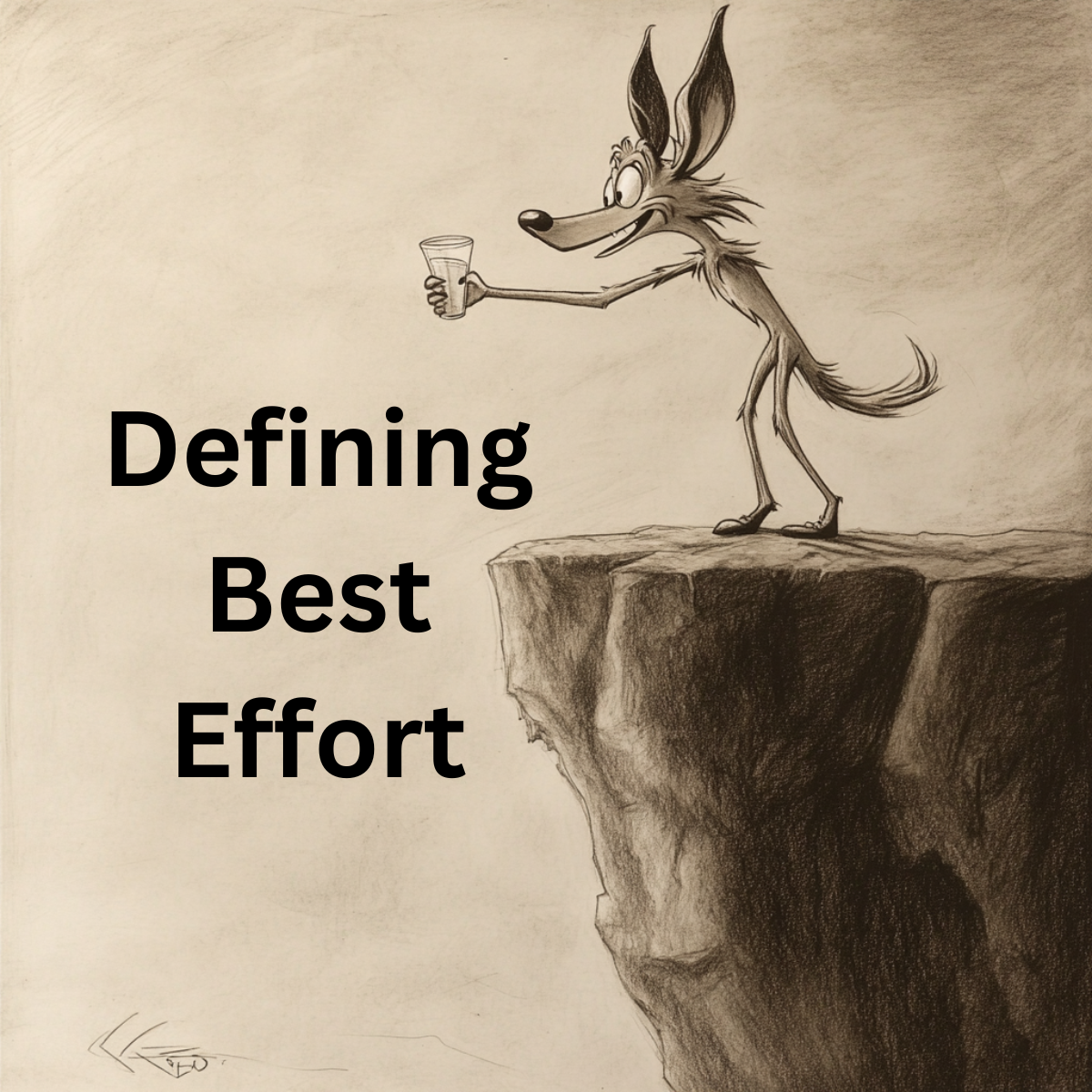
Day 89 of any commitment provides an opportunity to reflect deeply, and today I found myself pondering a phrase we often use but rarely dissect: “best effort.” We hear it in conversations, demand it from ourselves, and critique it in others. But do we truly understand what it means?
I took time today to explore this concept, to go beyond the surface of just “getting it done.” Best effort is more than finishing a task; it’s about engaging with purpose, preparation, persistence, and self-reflection. Here’s what I uncovered.
1. Purpose Drives Effort
Best effort begins with clarity of purpose. When we align tasks with meaningful goals, we naturally approach them with more dedication. If your actions lack alignment with your larger intentions, no amount of hard work will feel truly fulfilling. Reflect: Why am I doing this? That question is foundational to gauging effort.
2. Time and Energy Matter
Time spent is a measure of effort. Best effort isn’t about sprinting through tasks—it’s about consistently showing up with focus and energy. Rushing to check a box or spending minimal effort won’t cut it. Deliberate and sustained attention signals true commitment.
3. Overcoming Obstacles
Challenges are inevitable, but how we handle them speaks volumes about our effort. If a missing tool or unexpected inconvenience stops us, then we aren’t giving our best. Instead, persistence in seeking solutions rather than excuses marks the path of those truly committed to their goals.
4. Preparation Sets the Stage
Preparation is a silent ally in the quest for best effort. Taking the time to remove potential distractions, gather resources, and anticipate challenges ensures that when you show up, you’re ready to give it your all. It’s not just about doing the work but creating an environment conducive to success.
5. Focus and Presence
In a world of distractions, being fully present is one of the most difficult—and rewarding—ways to give your best. Scattered attention produces scattered results. Eliminating interruptions and immersing yourself in the moment is key to quality effort.
6. Feedback Fuels Growth
Seeking constructive feedback, though uncomfortable, is a hallmark of striving for your best. If you’re hiding your work from scrutiny, it’s unlikely you’re putting forth maximum effort. Feedback helps identify blind spots and sets a higher bar for future performance.
7. Stretch Beyond Comfort
Finally, giving your best effort means venturing beyond what’s easy or familiar. Growth lies at the edge of discomfort. When you push yourself past your limits, even slightly, you know you’re striving for more.
Practical Steps for Better Effort
Reflecting on this, I realized best effort isn’t an abstract ideal—it’s a series of deliberate choices. Here’s how I plan to incorporate this into my daily life:
- Set Clear Goals: Break objectives into actionable steps that align with your purpose.
- Eliminate Distractions: Create an environment that supports focus and reduces interruptions.
- Cultivate Consistency: Build habits that move you steadily toward your goals.
- Self-Assess Nightly: Ask yourself, Did I give my best effort today?
Embrace Progress, Not Perfection
Ultimately, best effort is about showing up with intention, doing the work fully, and being proud of your dedication—even when there’s room for improvement. The pursuit of excellence isn’t about perfection; it’s about engaging fully and honestly in the process.
Reflect on your day. Was it your best? If not, that’s okay. Tomorrow’s another opportunity to show up, align with purpose, and stretch a little further. That’s the essence of giving your best.