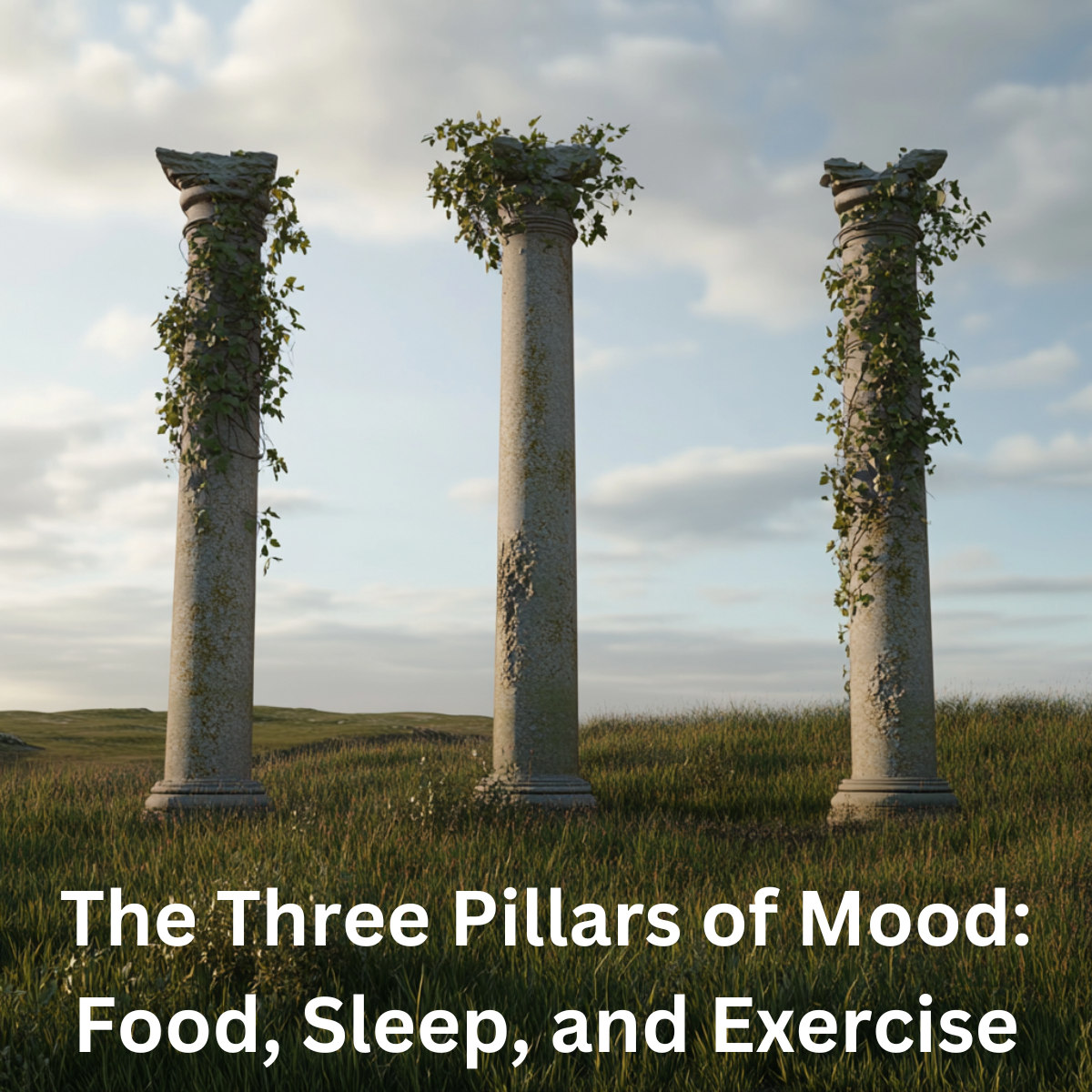
In today’s fast-paced world, our mood can often feel like a roller coaster—up one day, down the next. But through a 365-day personal experiment tracking everything from food to sleep to exercise, I discovered something profound: our mood is not random. It is directly influenced by three key areas that play a crucial role in our overall health: what we eat, how we move, and how much sleep we get.
These three pillars—diet, exercise, and sleep—are the foundation of a healthy lifestyle. They impact not just our physical health but also our mental health, cognitive function, and emotional resilience.
Food: The Foundation of Emotional Well-Being
It’s no secret that a healthy diet is a pillar of good health. During my year of tracking, I noticed that food had a delayed but significant impact on my mood. Poor food choices, such as processed snacks or sugary treats, would lead to lower feelings of well-being after about three days. On the other hand, consuming servings of raw fruits, vegetables, whole grains, and healthy fats, like those found in the Mediterranean diet, supported better mental health over the long run.
Dehydration had a much faster impact—within 8–10 hours, I would feel irritable and lethargic. Meanwhile, maintaining good nutrition and adequate hydration positively affected my brain health and cognitive performance.
Recent research supports this connection. Poor diets are associated with higher depressive symptoms, while a balanced diet rich in essential nutrients can reduce anxiety symptoms and promote good mental health. Key components of a healthy diet, like fatty acids and whole grains, also play an important role in reducing the risk of health conditions like cardiovascular disease and high blood pressure.
Sleep: The Strongest Predictor of Mental Health
If there’s one thing my year-long experiment confirmed, it’s that sleep is non-negotiable for good mental health and cognitive function. Too little sleep—whether caused by a disrupted circadian rhythm or poor sleep habits—was the strongest predictor of mental health issues for me.
After just one or two nights of poor sleep, I noticed higher stress levels, increased irritability, and lower motivation. This was compounded by poor food choices and less physical activity, creating a cycle that was hard to break. Adequate sleep, especially deep sleep, played a vital role in regulating my mood, stabilizing my body temperature, and reducing the effects of the stress hormone cortisol.
The National Sleep Foundation recommends that young adults get 7–9 hours of sleep per night. Following these sleep recommendations improved my energy, reduced my risk of health conditions like heart disease, and helped maintain a good sleep schedule. Better sleep was always linked to better mental health, emotional stability, and stronger athletic performance.
Exercise: A Long-Term Mood Stabilizer
Exercise is a critical piece of any high performer’s routine and a complementary role in maintaining good mental health. During my experiment, I found that regular physical activity had the longest-lasting impact on my mood. When I stopped exercising, it took about 7–10 days for my emotional state to decline. This slow onset made it harder to pinpoint, but the long run proved its value.
Physical activities like running, weightlifting, or even brisk walking played an important role in improving my physical fitness, muscle strength, and heart rate regulation. A sedentary lifestyle, on the other hand, was linked to lower feelings of well-being.
Exercise is also a wellness coach for your mental state. It lowers stress levels, supports gut health, and enhances the immune system. A recent study by a research team at the University of Otago in New Zealand confirmed that regular physical activity improves cognitive function, reduces anxiety symptoms, and bolsters overall health.
Building the Pillars of a Healthy Lifestyle
The takeaway from this year-long commitment is clear: food, sleep, and exercise are the pillars of good health and good mental health. They work together as a foundation for an active lifestyle, reducing the prevalence of mental disorders and boosting cognitive performance.
To achieve better health, focus on these key areas:
- Diet: Prioritize balanced meals with servings of raw fruits, vegetables, whole grains, and healthy fats. Avoid poor food choices that lead to lower well-being.
- Sleep: Follow sleep recommendations and aim for enough sleep—7–9 hours for young adults and older adults alike. Prioritize a good night’s sleep for better sleep quality and mental clarity.
- Exercise: Incorporate regular physical activity into your routine. Physical fitness isn’t just about athletic performance; it’s about maintaining good mental health and emotional resilience.
These pillars of good health are more than just habits—they’re the building blocks of a fulfilling life. By making intentional choices to support your physical health and mental well-being, you can take control of your mood and thrive in a fast-paced world.