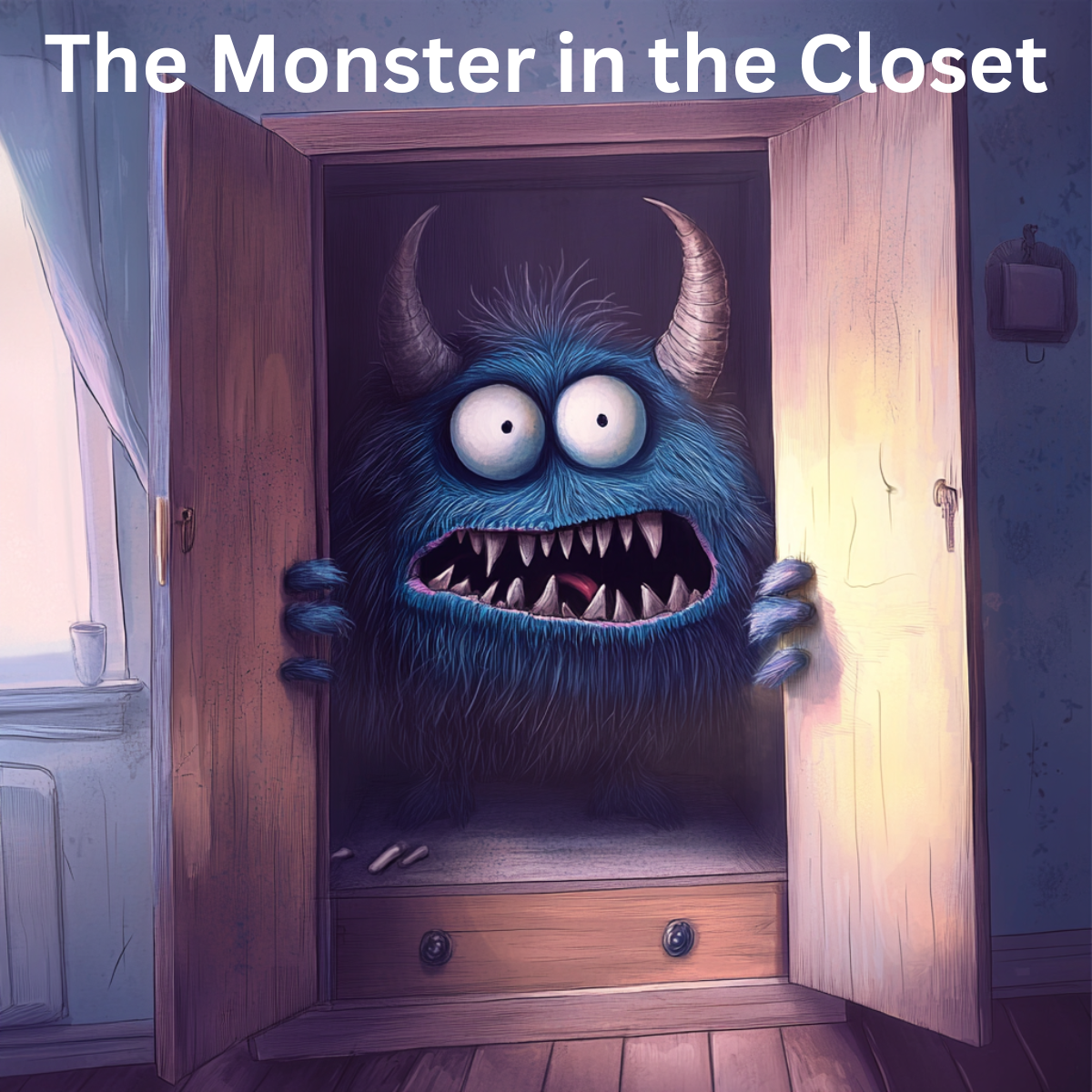
When I was a child, I was convinced there was something lurking in my closet. Some great and terrible beast, waiting in the darkness, poised to devour me the moment I let my guard down. I remember lying in bed, heart pounding, staring at the closed door, too terrified to move. The fear felt enormous, all-consuming—until, eventually, exhaustion won out and I drifted off to sleep.
And then, morning came. Sunlight filled my room, and as I opened that closet door, I found—nothing. Just clothes, shoes, and a few scattered toys. The monster had never been there at all.
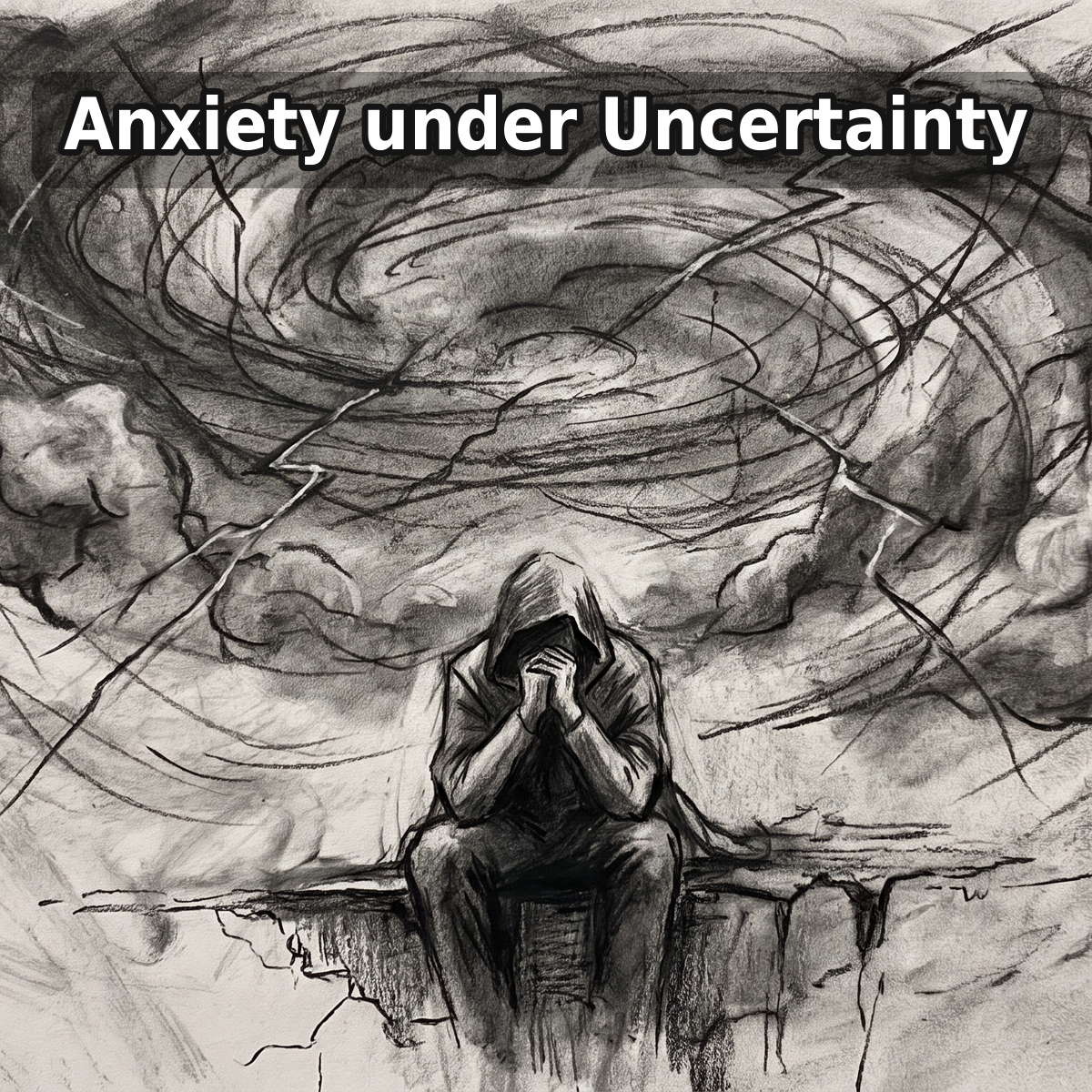
It seems from a young age, we humans have a remarkable ability to catastrophize. Our minds take something uncertain or unknown and paint it as something much bigger, scarier, and more dangerous than it actually is. Perhaps this is an evolutionary trait—a survival mechanism designed to keep us alert to potential dangers. But as useful as that instinct may have been when avoiding predators on the savannah, in modern life, it often works against us.
We don’t imagine monsters in the closet anymore, but we do imagine worst-case scenarios in our careers, relationships, health, and everyday challenges. The difficult conversation at work becomes a looming disaster. The financial setback becomes an inescapable spiral. The unexpected change in plans becomes a catastrophe.
But just like that childhood fear, most of what we dread turns out to be far less frightening than we imagined.
Why Do We Do This?
The tendency to overestimate risks and exaggerate future problems isn’t random. It happens because of deep-seated cognitive biases that all humans share:
- Fear and Uncertainty – When we don’t have all the information, our brains tend to fill in the blanks with worst-case scenarios. The unknown feels inherently dangerous.
- Negativity Bias – We are wired to focus more on potential threats than positive outcomes. Our ancestors who assumed the worst were more likely to survive, so we’ve inherited a brain that leans toward caution.
- Lack of Control – The less control we feel over a situation, the bigger and scarier it seems. When we imagine future challenges as insurmountable, it amplifies our anxiety.
These mental habits serve a purpose, but if we’re not careful, they can keep us stuck—afraid to take risks, reluctant to make decisions, and overwhelmed by problems that aren’t as big as they seem.
How to Stop Seeing Monsters
So how do we stop ourselves from turning everyday challenges into imaginary beasts lurking in the dark?
- Reframe Your Perspective – When you catch yourself spiraling into catastrophic thinking, label it. Acknowledge that your mind is exaggerating the situation. Often, simply recognizing the pattern can help defuse the fear.
- Reality Testing – Ask yourself, How likely is this really? and If the worst did happen, how bad would it actually be? Most of the time, the worst-case scenario isn’t as devastating as our minds make it out to be.
- Historical Perspective – Look back on your life. How many times have you faced a situation you thought would be unbearable—only to come out the other side, often stronger than before? Reminding yourself of past resilience can help bring today’s worries into perspective.
- Stay Present – Fear thrives in the imagined future. Mindfulness—focusing on what is real and happening right now—helps stop the mental projection of doom.
- Take Small, Concrete Actions – The best way to shrink a fear is to face it. When we take even small steps toward addressing a challenge, it loses its power over us. Action turns fear into clarity.
Open the Closet Door
Fear feeds on uncertainty, but the moment we turn on the light, the monster disappears. Most of the things we dread never come to pass, and even when challenges do arise, they are rarely as overwhelming as we first imagine.
The next time you find yourself staring into the darkness of an unknown future, remember this: the monster in the closet is almost always just a pile of clothes.
And you are more capable than you think.