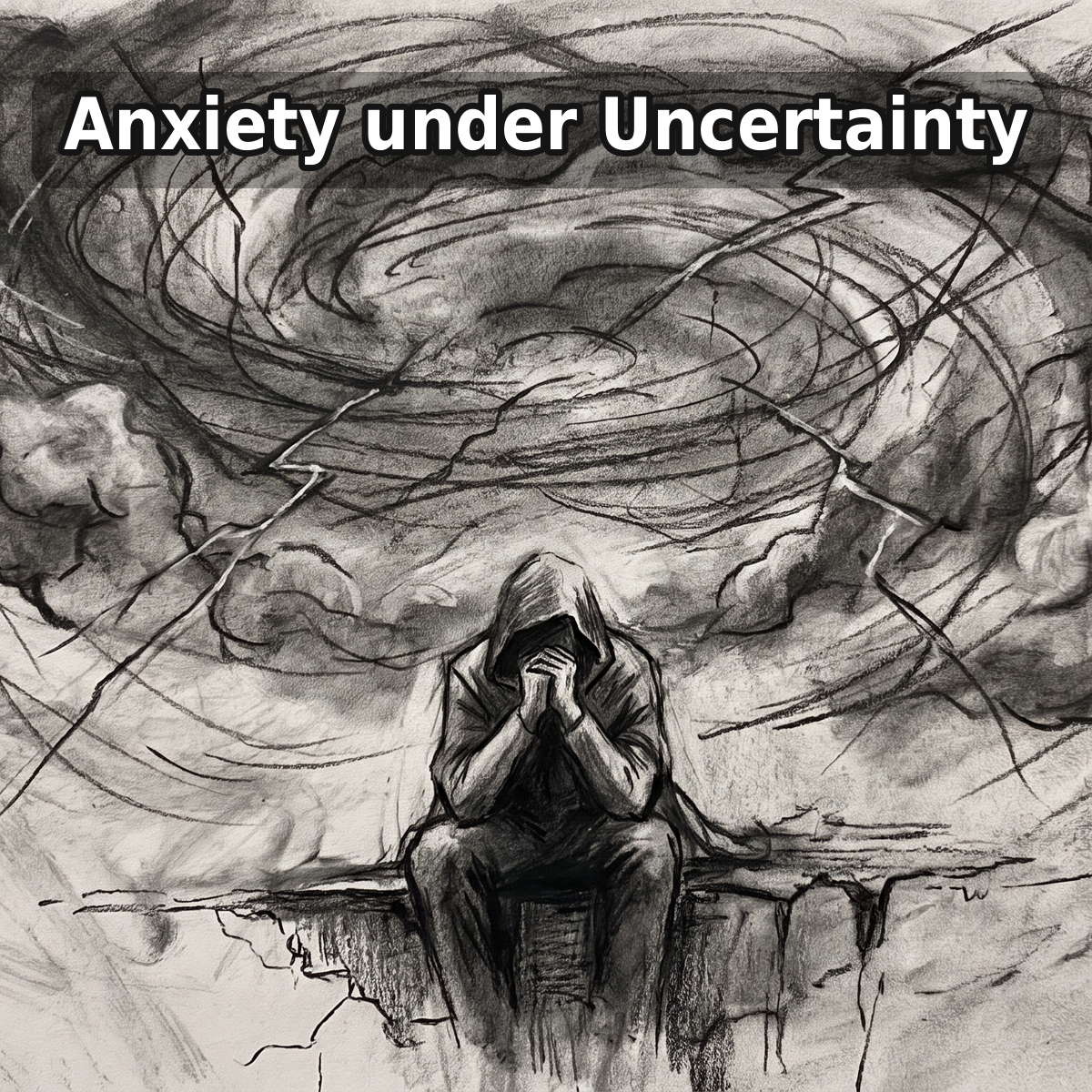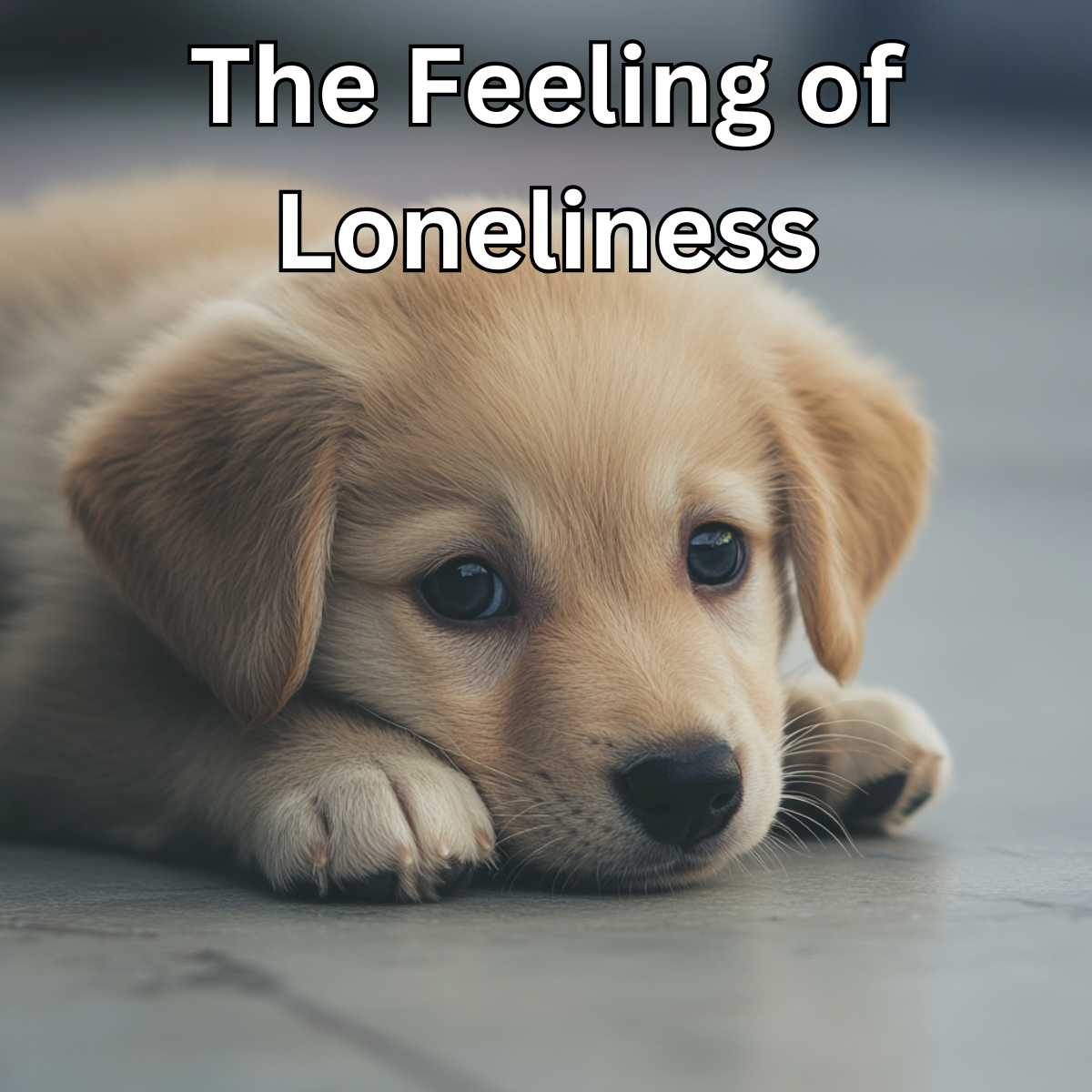
Yesterday, I had the notion that understanding the emotion of loneliness and its root causes would be beneficial. I often hear people say, “I feel lonely,” and it occurred to me that I didn’t fully grasp what this emotion means. First of all, loneliness is an emotional experience. The emotion is far more complex than the simple word implies. One might think that if someone feels lonely, we should just invite them into more conversations. But loneliness is more than just being alone; it’s a profound sense of separation and disconnection, even when surrounded by people. Some of the most flamboyant, life-of-the-party individuals can also be the ones suffering the most from this emotion. A CEO or other executive might go to bed at night battling this feeling of complete separation, experiencing misery and discouragement at what should be the happiest, pinnacle moments of their career—all because of loneliness.
So, what exactly is the emotion of loneliness? I think there are four major pillars—let’s walk through them:
- Feeling disconnected: A sense of emotional or social separation from others.
- Isolation: The perception that meaningful relationships are lacking, even in the presence of others.
- Unfulfilled social needs: Experiencing a gap between the relationships one has and those one desires.
- Sadness or emptiness: Often accompanied by feelings of sadness, hopelessness, or emptiness.
One crucial truth about loneliness is that this emotion isn’t easily resolved. Typically, when someone expresses this emotion, others immediately offer advice such as, “Well, you should just…” This approach doesn’t help, because the advice offered likely contributes directly to one of these four areas. Loneliness is subjective and deeply connected to an individual’s goals, aspirations, and sense of fulfillment. One reason it occurs is due to repeated disappointment. Experiencing one setback after another can eventually lead to a profound feeling of disconnection.
In addition to repeated failures, loneliness can be triggered by other causal factors. People naturally crave intimacy and acceptance from others. If you lack this type of emotional connection, you may begin to slide into loneliness. In my life, I’ve noticed this happening when I’m constantly in a position of “pretending” to be something I’m not. This isn’t inherently bad; often, you need to push your boundaries and aim higher. However, continuously maintaining a facade without having anyone to confide in can cause feelings of disconnection. Recently, I read a study exploring why social media influencers often experience disorders like depression and isolation, which can lead to unhealthy behaviors. While internal wiring or a family history of mental illness might play a role, another significant factor is constantly striving to uphold an image that isn’t entirely authentic. This creates disconnection, leading to social isolation. Influencers often engage in artificial interactions with hundreds of people without forming genuine emotional connections.
Loneliness can also stem from major life transitions. Changing jobs, experiencing a family death, going through a divorce or breakup, or even relocating to another town can create feelings of separation. Sometimes loneliness has obvious sources and can be easily resolved. However, more often than not, the emotion is deeper, and its root cause can be challenging to identify.
It’s important to understand that you are not alone if you feel this way. Loneliness isn’t reserved for older individuals living alone, as is commonly believed. It can affect anyone—young or old, rich or poor. Loneliness can lead to serious physical and mental health issues, including depression, anxiety, poor sleep, chronic fatigue, and increased risks for heart-related conditions and early-onset dementia. One of the most destructive outcomes is seeking solace through substance abuse or risky behaviors.
But there is hope! Once you recognize loneliness for what it is, you can actively work to address it. You can seek out and build meaningful relationships with others who understand your experiences. Joining groups or participating in social activities with people who share your interests can also help. Acknowledge your feelings and share your experiences with loved ones; they may be completely unaware of your situation. Basic self-care—such as improving your diet, resting without guilt, tidying your environment, meditating, or taking relaxing walks—can also help. Speaking with a professional is another effective option.
After reflecting on this topic, I’ve realized that I’ve experienced loneliness several times without fully understanding what I was feeling. Recognizing emotions for what they truly are and addressing them directly is helpful. Loneliness is not something to be taken lightly and should be confronted as soon as you recognize it.