When we first discover something of potential value, we go through a series of distinct phases. This is important to recognize because we often find ourselves in situations where understanding this process matters. You might encounter a new innovation that seems helpful in your life. You might be trying to sell a new innovation to a potential buyer. You might even be responsible for implementing a new innovation at your company.
The ability to diffuse innovation into our own lives and the lives of others has become a core skill in today’s world. New innovations are arriving at such a rapid pace that we would all benefit from becoming more adept at how these tools are adopted and integrated.
I’ve noticed four recurring phases when someone is exposed to a new innovation: Awareness, Frustration, Exploration, and finally, Commitment. To explain these four phases, I’ll use a relevant example—integrating a large language model (LLM) into your daily life.
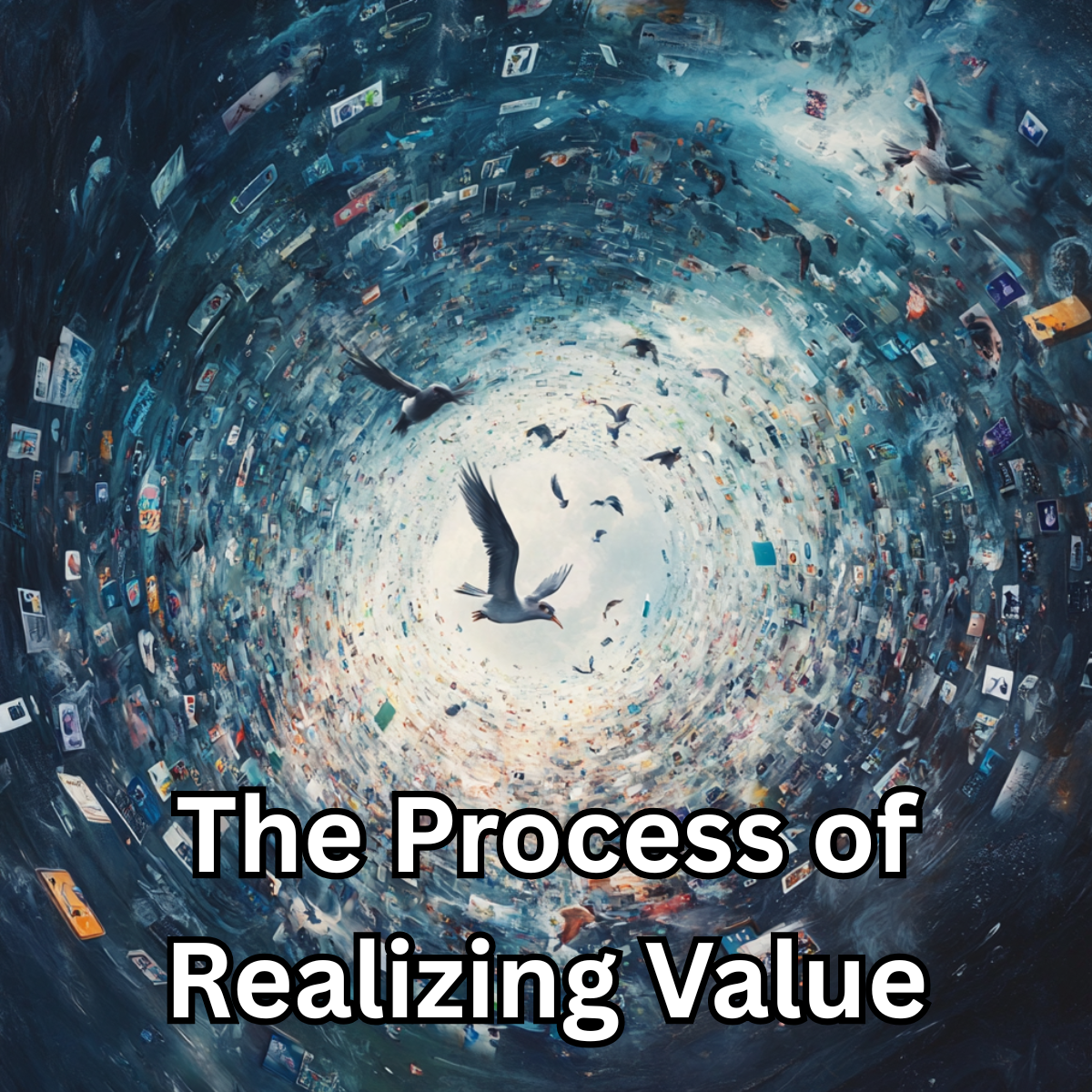
Awareness – You become aware that a tool like an LLM (such as ChatGPT) could potentially improve some part of your life. You’ve heard the buzz, maybe even seen a few impressive demos. You’re unsure of what’s real and what’s just hype, but it catches your attention. So you decide to try it. You sign up for a subscription or explore a tool like Canva, Evernote, or Gmail—something with AI features baked in. You dabble. And now, you can officially claim that you’re “using AI.”
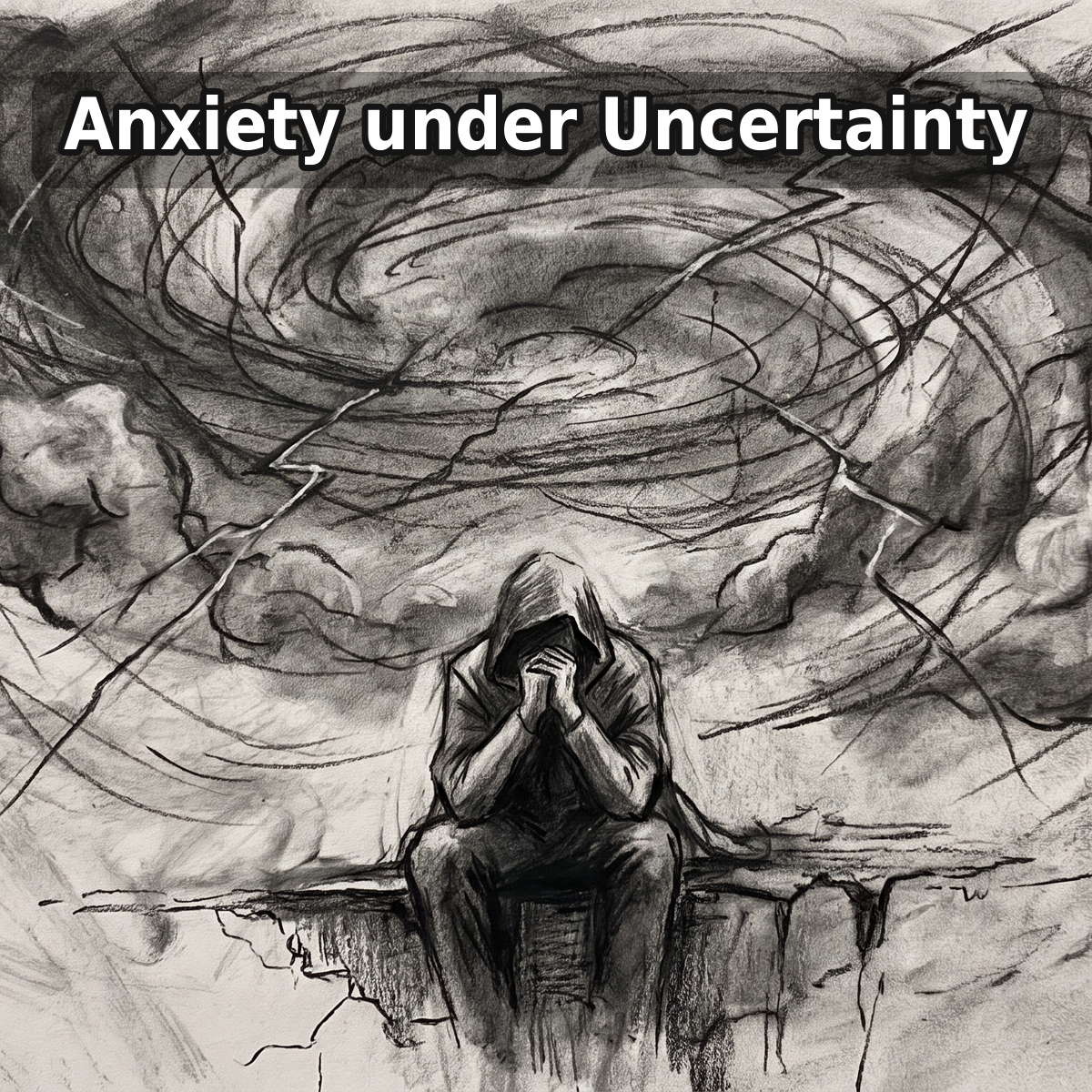
Frustration – Then comes frustration. You forget how to use it effectively. When you do try, the results aren’t quite right. Sometimes the output is off-base or even absurd. The small improvements offered by your favorite tools don’t seem to match the sweeping promises you’ve heard. You start to question whether this innovation is really going to move the needle for you.
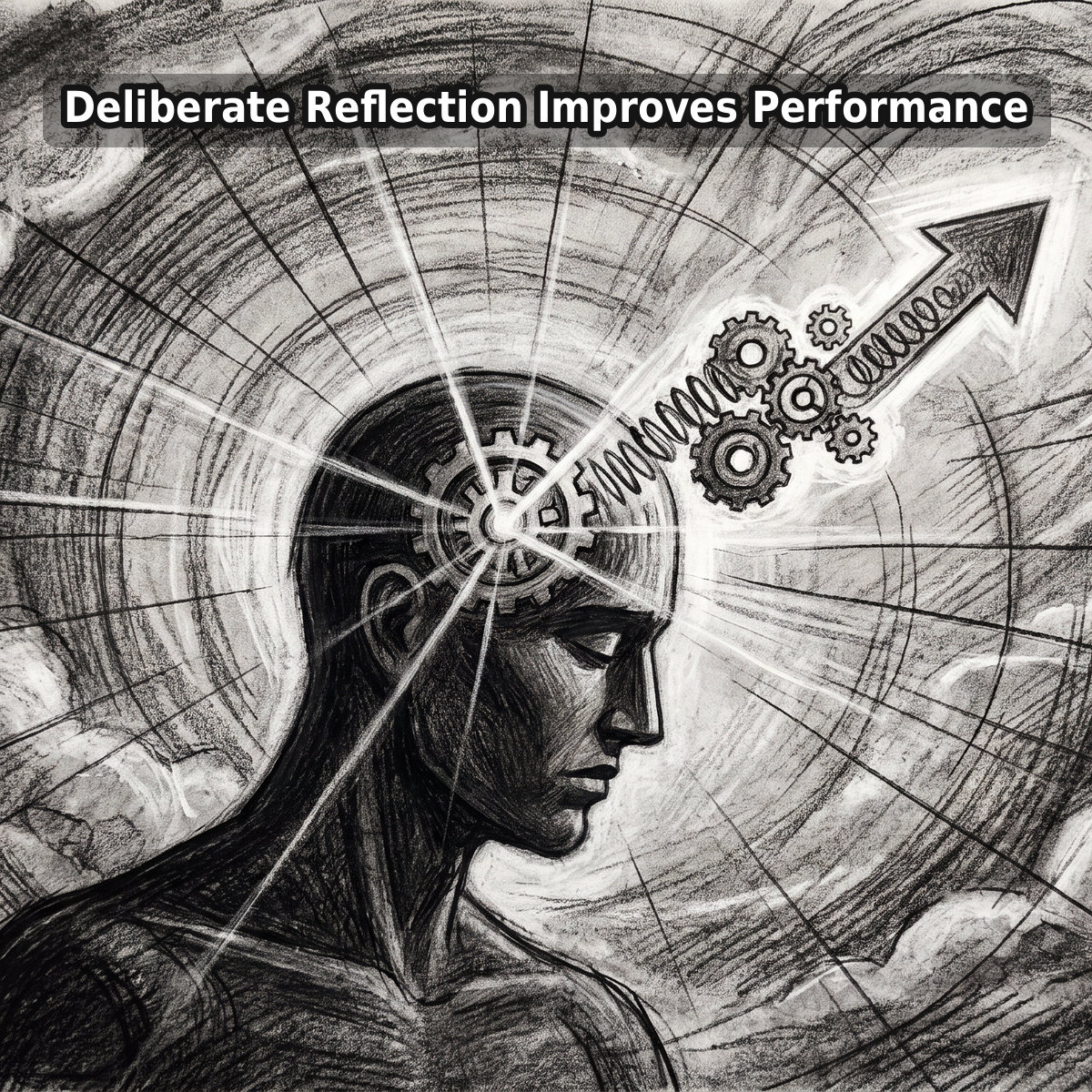
Exploration – Assuming you haven’t given up, you begin to explore more deeply. You consider that maybe a general-purpose tool won’t cut it—you’ll need something more tailored to your work. You start researching custom solutions, perhaps even think about taking a course or hiring help. But there’s hesitation. You don’t want to sink time and money into something that might not pay off. So you begin exploring cautiously, looking for the right fit.
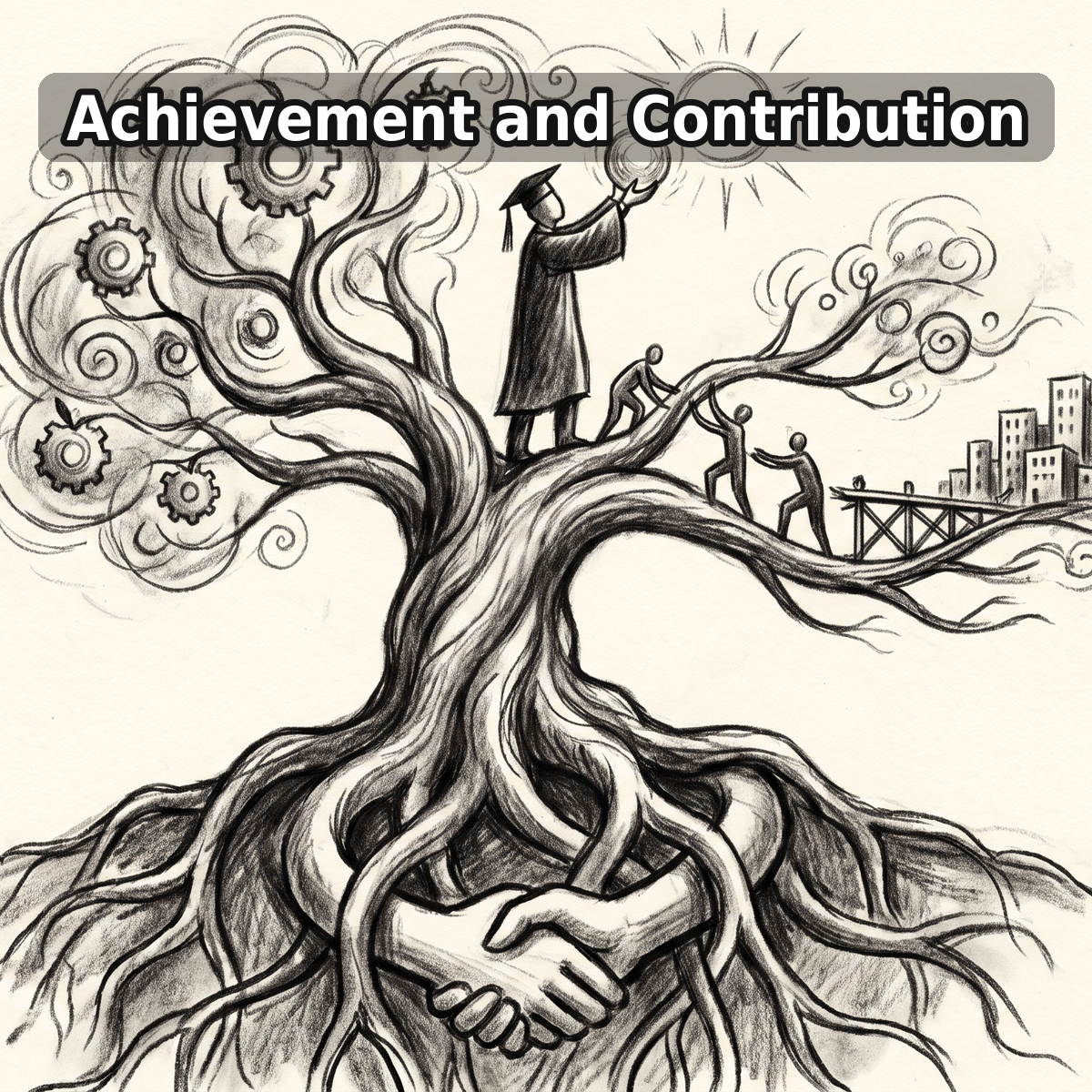
Commitment – Eventually, you cross a threshold. You’ve experimented enough to see that, with the right configuration and focus, these tools can deliver serious value. You commit. You develop a strategy. You hire support. You restructure workflows. You go all in—because now you understand the risks, and you believe the rewards are worth it.
It seems only those who reach this commitment stage experience the full value of an innovation—LLMs included. This appears to be the success pattern for adopting any new tool, with plenty of drop-off points along the way.
I find this framework useful. In my line of work, I encounter new innovations all the time—tools that could improve my personal productivity and my business operations. But without a strategy, chasing innovations can easily become a distraction. Ignore them completely, and I risk missing out on valuable savings in time and cost. Knowing the basic path to full adoption helps me assess where I am in the process—and whether it’s worth continuing.
This matters now more than ever. In just the past year, I’ve changed the way I trade, read email, search the Internet, create and edit images, track finances, and process important online content. Each of these transformations went beyond just dabbling—they involved deep integration into my routines. And that only happened because I followed the full journey to commitment.
I’m grateful for it. The time savings have been substantial. In some cases, the financial benefits have more than paid for the tools themselves.
Of course, I also have a graveyard of failed innovations—subscriptions never used, tools abandoned halfway. I’ve learned that my relationship with innovation can’t be casual. In modern life, we are constantly surrounded by software. Being deliberate about how we adopt these tools—and understanding the stages we go through—can help us avoid wasting both time and money. It’s something worth reflecting on.