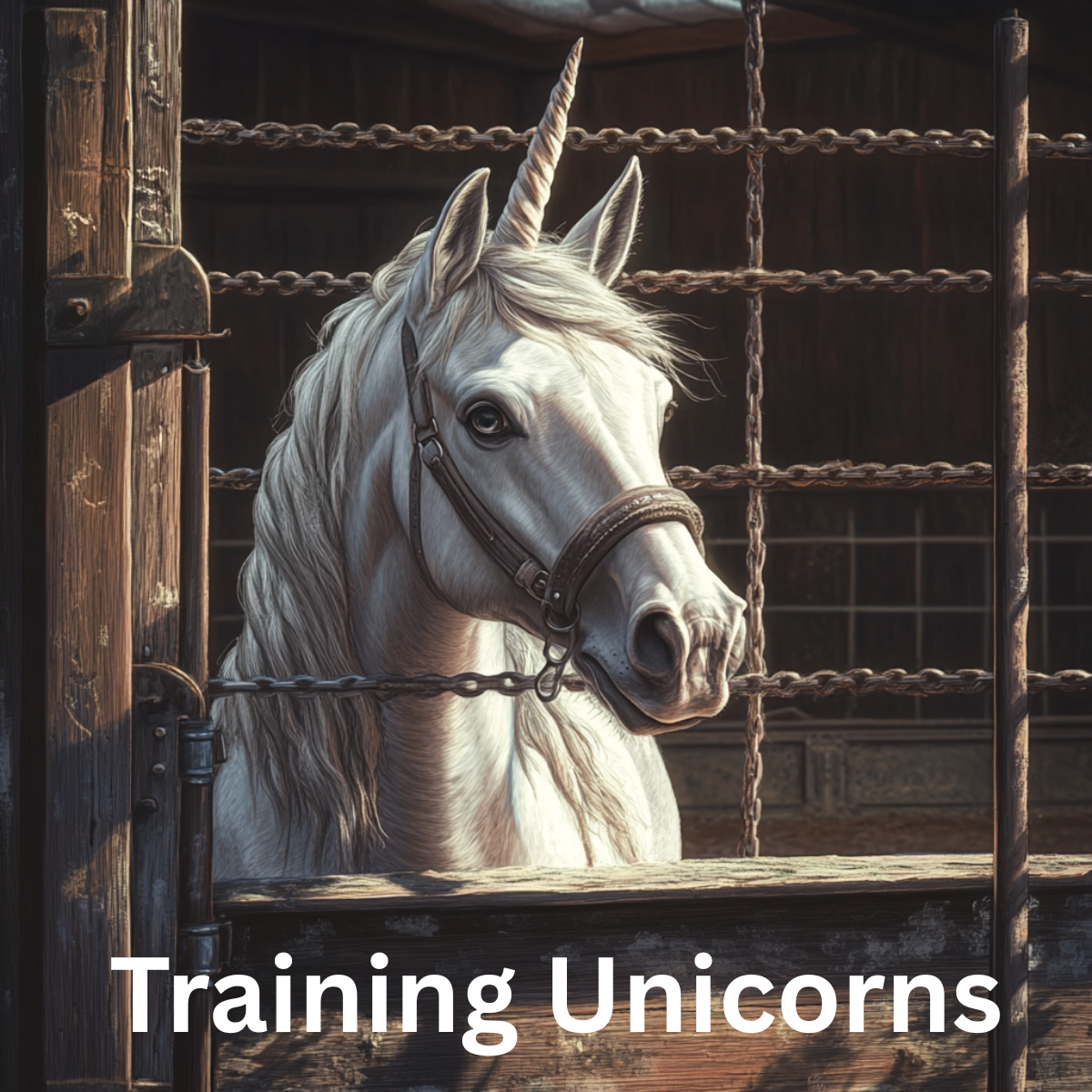
There’s something intoxicating about the idea of a rare breakthrough. The kind that erupts overnight. In business, investing, entrepreneurship—even creative work—people are constantly looking for the one thing that will change everything. We’ve come to call this elusive prize a unicorn.
The problem is, unicorns aren’t real. Not in the way we want them to be. They’re more story than substance. And the pursuit of them often distracts from the steady, quiet work that actually builds something worthwhile.
Most enduring success doesn’t arrive with fanfare. It doesn’t come from betting on a fantasy. It comes from the slow, careful raising of good stock—well-bred horses that are trained, cared for, and run with purpose.
Why the Well-Bred Horse Wins
1. Good Foundations A strong horse comes from a strong line. The same goes for ideas, teams, and systems. When you start with character, clarity, and proven structure, you can build something that lasts.
2. Built to Last The unicorn looks fast out of the gate. But it’s the well-trained horse that finishes the race—again and again. Longevity matters more than flashes of brilliance.
3. You Can Train It You can shape a horse. Guide it. Improve it over time. A unicorn is unpredictable by nature. It either works or it doesn’t. That’s not strategy. That’s gambling.
4. Progress That Compounds A good horse gets better every day. Small improvements stack. Eventually, they become momentum. That kind of steady progress always outperforms sudden luck.
5. It’s Repeatable You can’t breed unicorns. But you can build a stable full of dependable horses. Each one might not be spectacular on its own, but together, they create real strength. That’s how empires are built—through systems, not surprises.
The Quiet Work That Wins
It’s tempting to chase what looks extraordinary. But the people who actually get there—the ones who build, grow, and endure—usually aren’t chasing anything at all. They’re raising good horses. They’re sticking to the process. They’re staying in the saddle.
They may not get noticed at first. But they’re the ones still running when the dust settles.
Forget the myth. Train the horse.