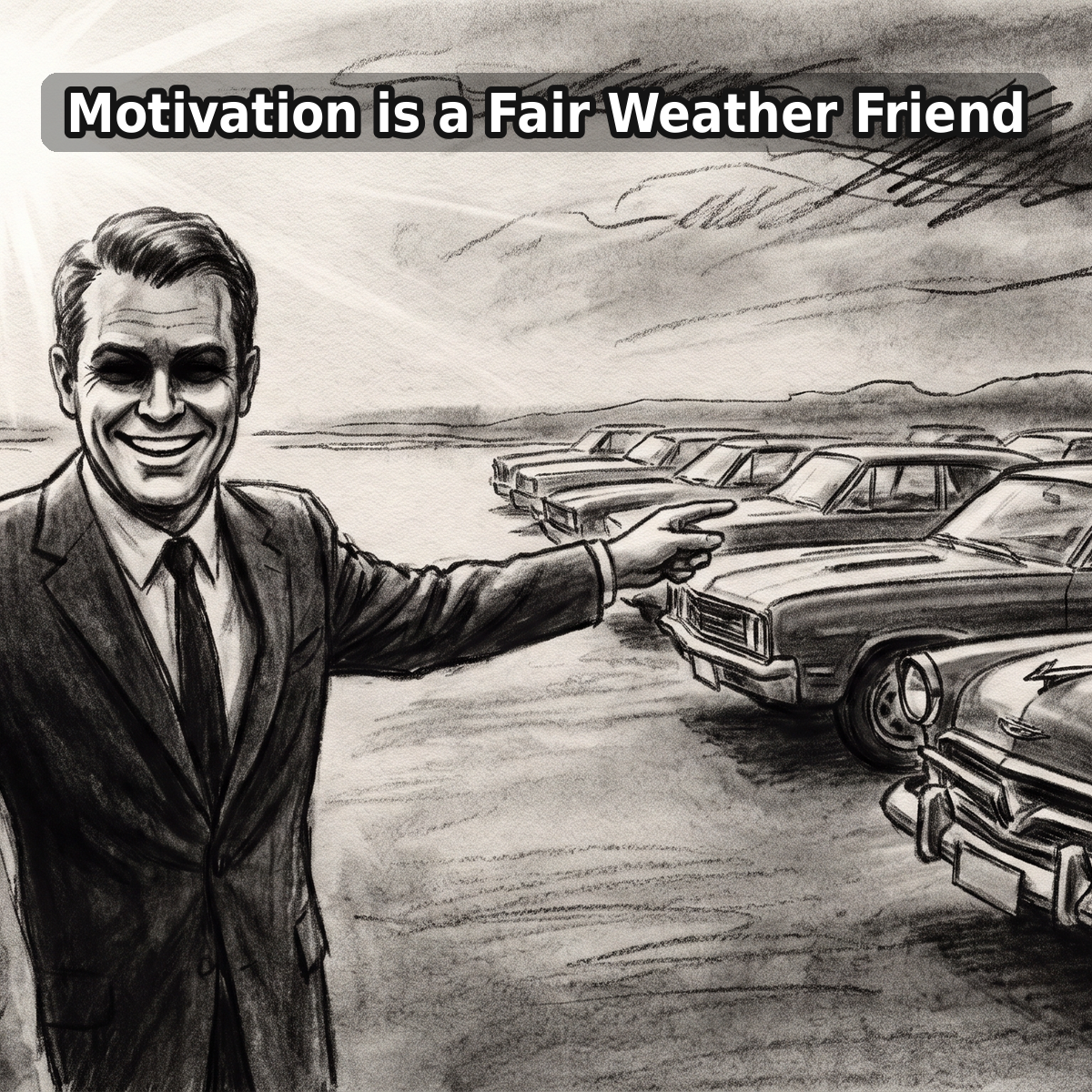
You’re excited. You finally have enough monthly income to afford an expensive, exotic, German-made luxury vehicle. You feel like you’ve arrived, proudly sporting your flashy new vehicle that doesn’t even have a name—just a number. You relish the admiration when people say, “Oooh, wow, you got a 7 Series? What do you do for a living?” All feels right with the world. You didn’t even lease it, believing yourself prudent and smart, having finally ascended into the ranks of the upper-middle class. Then one day, exactly at 50,001 miles on the odometer, the engine makes a terrifying sound on the freeway, smoke billows, and all power is lost. Suddenly, you’re stranded on the side of the road.
The dealership honors its promise, swiftly taking in your vehicle and providing you with a shiny new courtesy car. But then comes the dreaded call. For the first time in your life, you’re introduced to the legal term “OR,” as in “4 years OR 50,000 miles.”
A few days later, after several diagnostic checks, it’s determined the timing chain mysteriously broke. Your perfectly engineered luxury engine, crafted with only the best components, still relies on cranking pistons—a task impossible without a timing chain. Unfortunately, the chain’s failure damaged several other critical components, all of which now require replacement. When the customer service associate cheerfully informs you that they’ve secured the parts and you’ll be back on the road by next week for a mere $23,575, you learn the true cost of ownership. Welcome to the big leagues—the world of taxes, regulations, tuition, and repair bills. Welcome to upper-middle-class reality.
This scenario illustrates what’s politely called “maintenance” in the vehicle world. Your luxury vehicle’s oil changes aren’t the $50 Jiffy Lube specials; they’re membership fees to an exclusive club, costing around $1,000 each time you pull up beneath the “Service” awning at the dealership. Luxury cars typically cost about 20% of their sticker price in maintenance over their lifetime—a bitter pill, often unexpected.
Why highlight this harsh reality? I speak from experience, and this extends beyond cars. Everything you “get into” has hidden costs beyond the original sticker price. Everything in life comes with a maintenance plan: vehicles, homes, boats, jobs, relationships, even children. We seldom pause to consider these costs, but they add up significantly. Each new responsibility impacts not only your bank account but also your time and attention.
Yesterday was a prime example. I took my vehicle in for repairs, but as Murphy’s Law would have it, several other things broke simultaneously. My longtime website malfunctioned due to an errant update. Then, a troubling letter arrived concerning a payroll issue with the nonprofit I founded. My relaxing Friday before the long weekend turned into a frantic day managing maintenance crises. The 20% maintenance bill was suddenly due.
Nothing worthwhile runs on autopilot indefinitely. If you neglect maintenance, deterioration sets in quickly. Consider children. I wholeheartedly advocate becoming a parent of multiple children. One child means you’re officially adulting. Two children mean you and your spouse have replicated yourselves. Three or more? You’re officially outnumbered, fully immersed in parenthood. However, parenting’s cost isn’t just financial; it’s your ongoing time and energy. If you decide to become a parent, expect to dedicate a significant portion of your life to this role—forever. Forget the mythical “empty nest.” Parenting is lifelong.
“Happily ever after” comes with its own price tag and maintenance plan. If you neglect the maintenance required in close relationships, romance quickly becomes resentment. The charming fairy tale prince didn’t anticipate trading weekend hunts and tavern nights with friends for domestic duties and childcare, nor did he realize that swordplay would yield to caring for his beloved’s salon trips. Every relationship demands consistent effort and participation. Ignore this truth, and you’ll face consequences. The TLDR version: Every role you assume carries a cost in time and money. Ignore this reality at your peril.
So, the next time you pursue a new hobby, side gig, or romantic relationship, remember that everything requires ongoing maintenance. Everything breaks eventually—machines, relationships, even humans. Owning something means managing its inevitable breakdowns. Consider these hidden costs carefully.
And when you aspire to rise above middle-class status and buy a yacht, brace yourself—you’ll truly understand the meaning of maintenance!
Yet despite these challenges, marriage, children, and family life remain infinitely rewarding. I will not die a lonely man—that much is certain. My life is profoundly “interesting,” never dull, often exhausting, but always fulfilling. The happily ever after I pursued—and continue paying for—is worth every penny. Just remember: ignoring the true cost of maintenance will diminish the happiness in your “ever after.”