This is the third in a series I am writing on how potential lessons from the Golden Age of Piracy can help us in our own adventures. As I am currently out on an adventure of my own, this is a series that I wrote ahead of time and prerecorded.
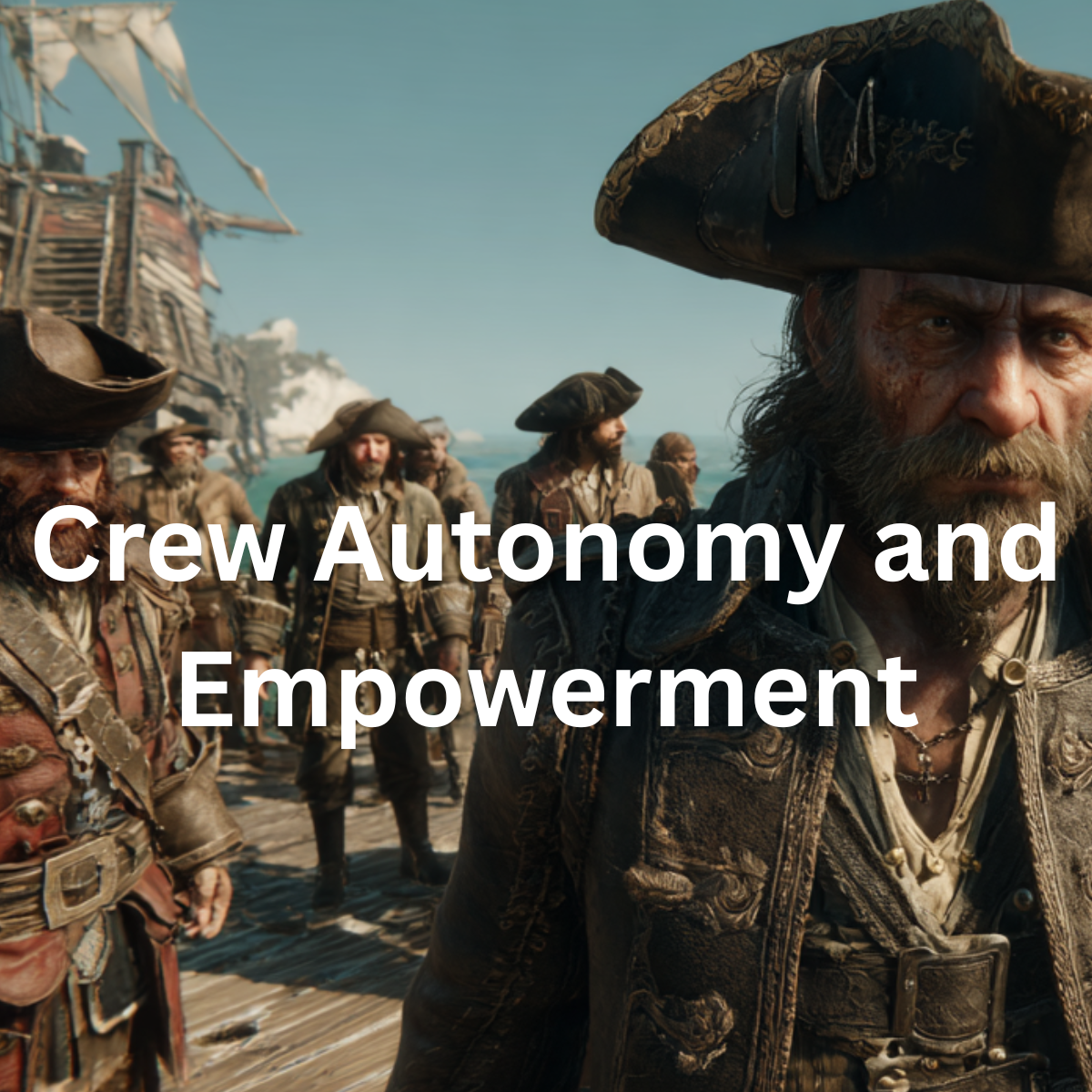
One of the most fascinating—and often overlooked—aspects of pirate life was the surprisingly democratic structure aboard their vessels. Far from being ruled by fear and tyranny, pirate ships operated as semi-democratic communities, granting crew members significant voice and responsibility.
Pirate captains were usually elected by their crews, chosen for their competence, courage, and decision-making capabilities. They remained accountable to the crew, who could—and occasionally did—vote to replace them if they failed to lead effectively. This system created a powerful sense of collective ownership and individual empowerment. Every crew member understood that their voice mattered and that their actions directly impacted the group’s success or failure.
For instance, the legendary pirate captain Samuel Bellamy, known as “Black Sam,” led with charisma and fairness, earning deep loyalty by giving his crew a meaningful say in decisions. His democratic leadership style resulted in unity, productivity, and an unprecedented degree of operational effectiveness.
Modern agile teams can benefit greatly from this principle of crew autonomy and empowerment. Agile methodology explicitly encourages teams to self-organize, make critical decisions, and take responsibility for outcomes. By fostering an environment where team members have clearly defined roles and significant autonomy, organizations can unlock greater innovation, creativity, and productivity.
When team members feel empowered and accountable, they invest more deeply in the team’s collective success. Rather than waiting for explicit instructions, empowered team members proactively solve problems, take initiative, and innovate.
Practical Takeaway:
Actively cultivate a culture of empowerment and accountability within your team. Clearly define roles and responsibilities, and then step back to allow team members the autonomy to fulfill these roles creatively and effectively. Encourage regular feedback, self-assessment, and collaborative decision-making processes. Just like a pirate crew, your team will be more innovative, adaptive, and committed when each member feels empowered to contribute meaningfully to the shared vision.