Contrary to popular belief, one of the hardest parts of leadership is not the recruiting or inspiring of A players, but recognizing when someone is not a fit and having the courage to act on that. This is the hard part. It is the part when the dance in the sun becomes a dark moment in the journey. Bringing in great people is a visible skill that gets celebrated. But the ability to make the call when someone is not working out, and to have that difficult conversation, is quieter and lonelier.
A leader has to be crystal clear about what performance, alignment, and behavior look like. Without that clarity, it becomes too easy to rationalize keeping someone who is “good enough.” Face it, most of us in business today face fierce competition and insurmountable odds. The only way we are going to overcome this is with the people we hire. Good enough is just not going to cut it. This creates a dilemma, for certain.
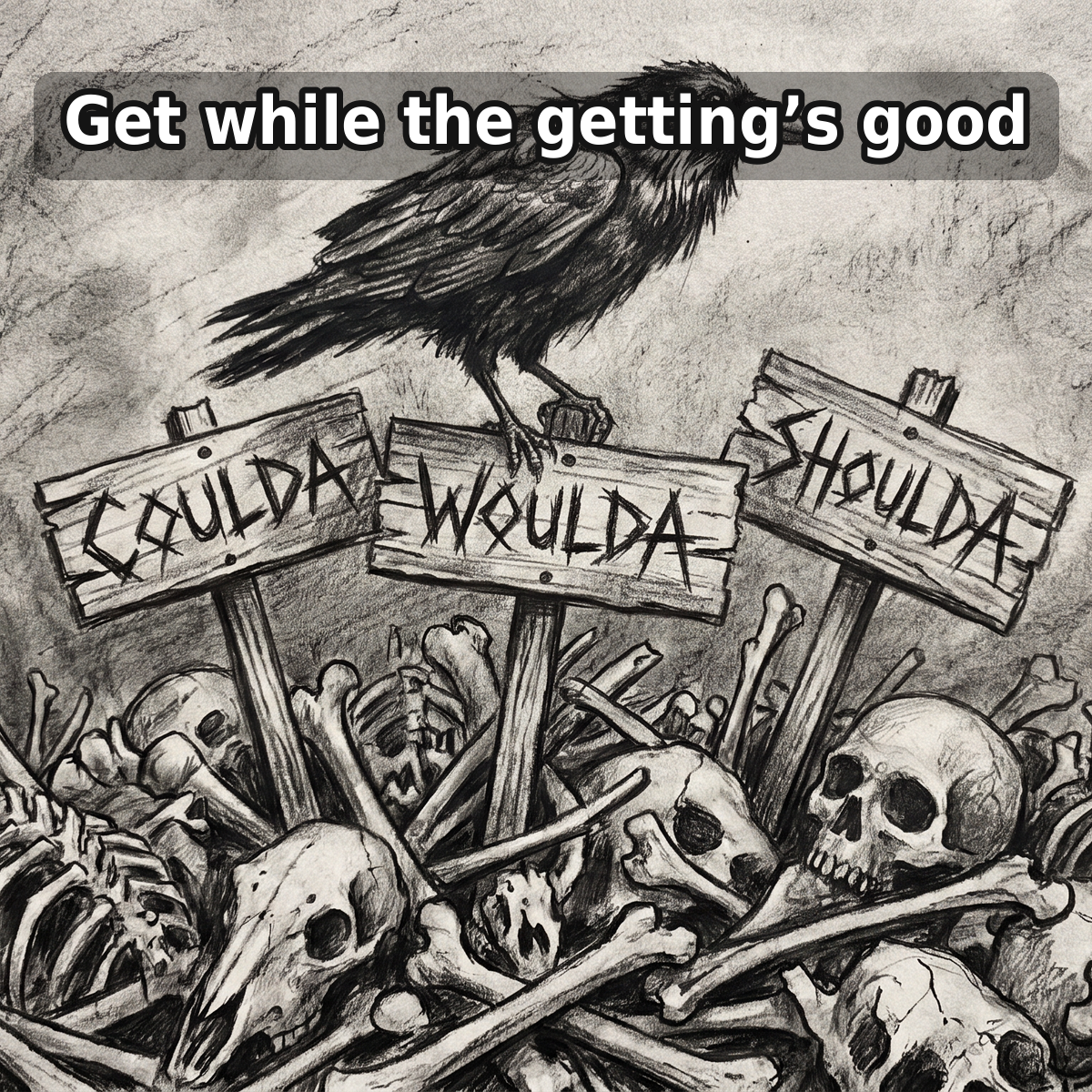
It is uncomfortable. Most leaders delay these conversations because they want to avoid conflict, or because they feel loyalty to the person. But every day of delay reinforces mediocrity and signals to the rest of the team that standards are negotiable. One person is pouring their whole soul into an enterprise, exceeding all expectation. Yet another person is making little impact at all. What is the message being sent? If you think about that for more than a few minutes, you will not like the message at all. The only path is the tough conversation.
Having the conversation does not mean being harsh, but it does mean being direct, honest, and respectful. The best leaders can tell someone they are not a fit without demeaning them, often even helping them transition toward something that does fit. In my experience, the person on the receiving end already knows the problem. They have been thinking about it for months and are usually relieved to have finally had the discussion.
Keeping someone who does not fit may feel easier in the short run, but it costs the team energy, trust, and speed. Moving them out, while hard, ultimately strengthens culture and opens space for the right person. In a way, hiring A players builds a team, but moving out non-fits protects it. Both are required, but the second is where many leaders fall short. This is the ultimate method in which all leaders build and then defend culture.
I call this Living Water. It is a phrase I have used for years to describe the constant process that a good leader needs to go through to move people out and bring new people into an organization. The reality is that a thriving, successful organization needs living water, not a stale and stagnating pond. There are many aspects of a culture that you would want to defend, but there is one non-negotiable. It is the need for a thriving organization to be constantly experiencing new people and new ideas. We preach diversity all the time, but sometimes I wonder if we truly believe that diversity is actually needed for success. It is not just a label you tack onto your website so that the millennials will work for you. It is a mentality about creating a living flow of new people, new ideas, new capabilities, and new customers. Think about it, how else do you gain diversity? The only way is by bringing a constant flow of new people into the business. If you are looking for a part of your culture to defend, defend that first.