I have been thinking lately about how quickly trust can be built, and how quickly it can be tested.
I picture a beautiful restaurant, the kind of place where everything feels calm and intentional. The lighting is warm. The table is set with care. The server moves with quiet confidence. You sit down with an expectation that you are about to be taken care of.
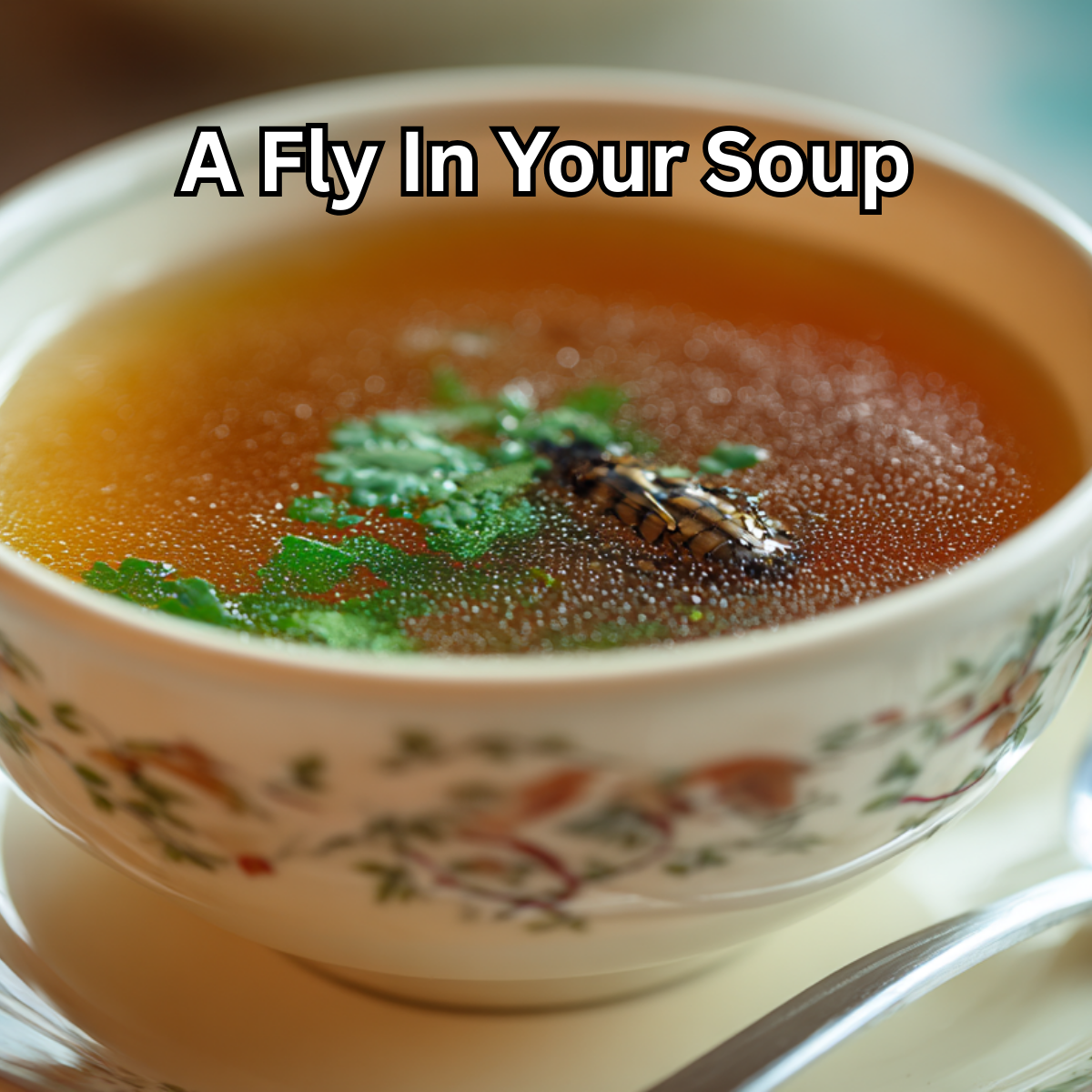
And then, in the middle of what should be a perfect meal, you look down and see it.
A fly in your soup.
The moment is small, almost absurd, but it changes everything. Not because mistakes never happen, but because what happens next reveals what kind of place this really is.
That image has stayed with me because it reminds me of something simple and important. A business, especially a growing software company, is a lot like a five-star restaurant. People experience it as one cohesive meal, one moment of service, one outcome. They do not see the complexity behind it; they only feel whether it works.
The restaurant succeeds because everyone knows their role.
The dining room is focused on the guest. Greeting, timing, communication, and handling concerns with grace. The kitchen is focused on the craft. Consistency, quality, speed, safety. Leadership holds the whole system together with standards, training, tools, and direction.
No one walks into a restaurant and wonders who owns the menu, who runs the kitchen, who speaks to the upset customer, or who fixes the broken dishwasher. Those boundaries exist because without them, everything collapses.
In a startup SaaS company, the same truth applies. Customers experience the product as one meal, but behind the scenes, many hands coordinate. Product decisions, engineering execution, reliability, onboarding, support, and revenue work all become part of the same plate set in front of the customer.
What I love about this metaphor is that it gives people something they can picture. An org chart is abstract, but a restaurant is a lived experience. Everyone understands the difference between a kitchen problem and a dining room problem. Everyone understands that specialization is not hierarchy; it is coordination.
The server is no less important than the chef. They are responsible for different outcomes. In the same way, support is not less important than engineering, and engineering is not more important than the product. Each owns a part of the customer experience.
I have seen how easy it is, as teams grow, for those lines to blur. People step on each other without meaning to. Ownership gets fuzzy. Handoffs become awkward. A feature might be brilliant, but if onboarding is confusing or support is unprepared, the customer still walks away feeling the meal wasn’t right.
And then comes the fly in the soup moment.
In software, it might be an outage. A major bug. A security scare. A release that goes sideways. A painful onboarding failure that leaves a customer frustrated and alone.
The incident matters, but what people remember most is the response.
Does the team panic or dismiss the concern? Does leadership take responsibility? Does the system move quickly and calmly to make it right? Does the fix happen once, or does it keep happening again?
In that restaurant, the fly is not what defines the place. The response does.
A well-run restaurant replaces the dish quickly, apologizes sincerely, restores trust, and quietly fixes the root cause in the kitchen. The guest leaves remembering not perfection, but care.
A fragile restaurant becomes chaotic, evasive, slow, and careless. And that single moment becomes the story.
That is the core lesson I keep coming back to. The customer judges the whole restaurant, not the individual cook. In SaaS, the customer judges the whole company, not which team caused the issue.
This is why metaphor can be so powerful. It earns confidence because it creates clarity. It gives a team a shared language. Someone can say, ” This is a kitchen problem, or “This needs front-of-house communication, or “Leadership needs to set standards here.” Suddenly, responsibility becomes easier to see.
If there is one practice you can try today, it is this. Pick one metaphor that makes your work feel clear, and use it to name ownership with kindness. When something goes wrong, do not rush to blame. Ask instead, what part of the restaurant is this, and how do we respond in a way that protects trust?
Small clarity leads to calmer moments. Calmer moments lead to better outcomes. Better outcomes build the kind of trust that lasts.
And the next time you find a fly in the soup, you will know what matters most.
Begin there, begin now, and take one steady step forward today.