Real influence begins when you stop trying to be heard.
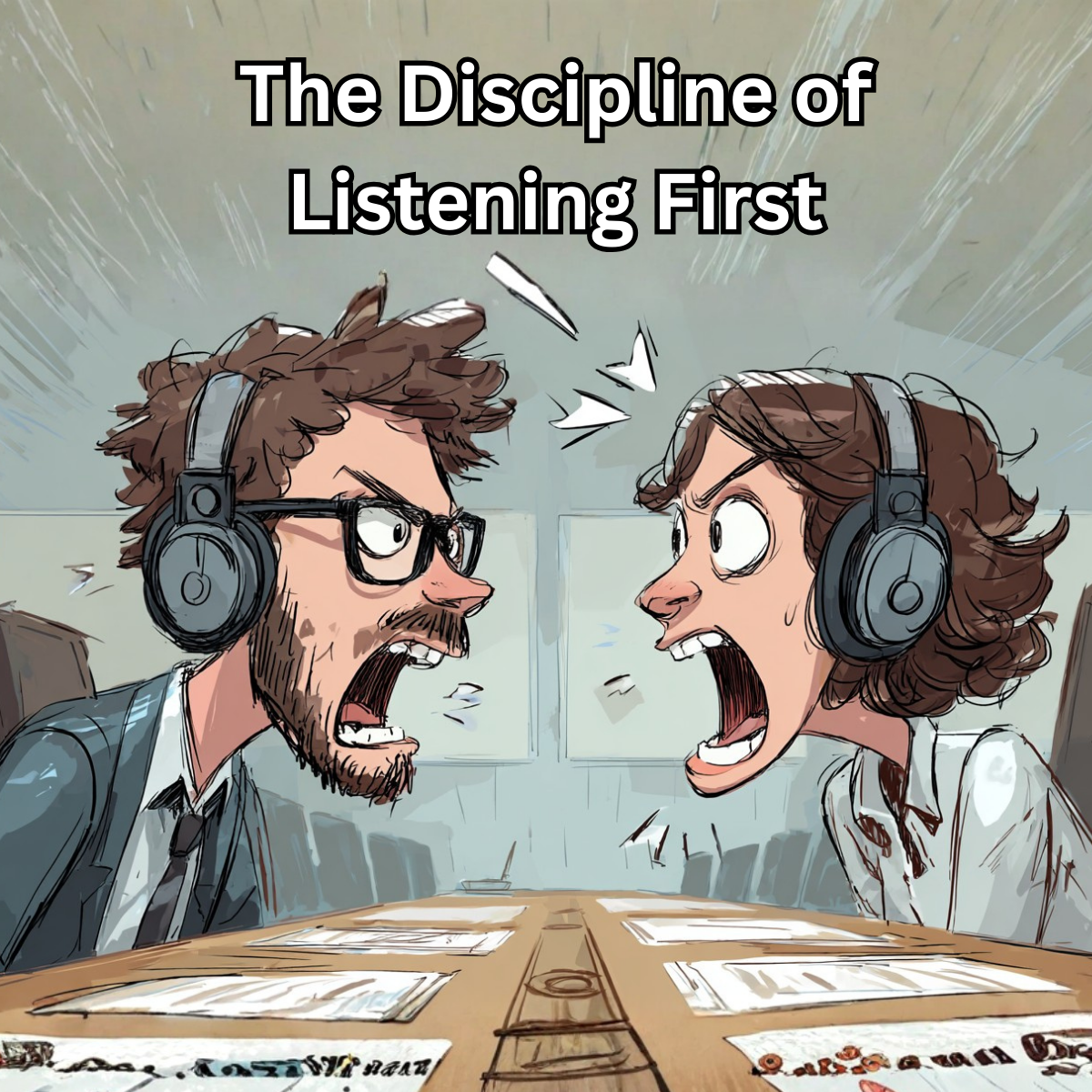
I sat in a meeting last week and watched two smart people talk past each other for twenty minutes. One was explaining a technical problem. The other was offering solutions. Neither was listening. They were taking turns speaking, but the conversation was not moving forward. It was circling. By the time the meeting ended, nothing had been resolved, and both people left frustrated. The problem was not a lack of intelligence or effort. The problem was that neither person had stopped long enough to understand what the other was actually saying.
This is the pattern I see most often in teams, sales calls, leadership conversations, and relationships. People rush to explain before they understand. They defend before they listen. They offer solutions before they know the problem. The instinct is understandable. When someone speaks, we feel pressure to respond. We want to show that we are engaged, that we have something to contribute, that we are not passive. So we jump in. We interrupt. We start forming our reply while the other person is still talking. We think this makes us look sharp. It does not. It makes us look impatient.
The truth is that understanding comes before influence. You cannot persuade someone who does not feel heard. You cannot lead someone who does not trust that you see their reality. You cannot resolve conflict when both sides are focused on being right rather than on being clear. The fastest way to move a conversation forward is to slow down first. To ask questions. To reflect back on what you heard. To suspend the urge to respond until you are certain you understand what is being said.
This is harder than it sounds. Listening is not passive. It is not waiting for your turn to speak. It is active work. It requires focus, patience, and the discipline to set aside your own agenda long enough to grasp someone else’s. It means asking clarifying questions instead of making assumptions. It means saying, “Let me make sure I understand what you are saying,” and then repeating it back in your own words. It means being willing to be wrong about what you thought you heard.
When you do this, something shifts. The other person relaxes. They stop defending. They start explaining more clearly because they feel safe enough to be honest. They become more open to your perspective because you demonstrated respect for theirs. Understanding does not mean agreement. It means showing that you took their words seriously enough to process them before responding. That act alone builds trust.
I have seen this play out in leadership. The leaders who move teams forward are not the ones who talk the most. They are the ones who ask the best questions and then listen to the answers without interrupting. They create space for people to think out loud, to surface concerns, to name problems that have been ignored. They do not rush to fix things. They make sure they understand what needs fixing first. That patience creates psychological safety. People speak more honestly when they know their words will be heard rather than dismissed or corrected.
I have seen it in sales. The salespeople who close deals are not the ones who pitch the hardest. They are the ones who listen until they understand what the customer actually needs, not what they assume the customer needs. They ask questions that uncover the real problem, and then they offer a solution that fits. The customer feels understood, and that feeling creates trust. Trust creates openness. Openness creates the sale.
I have seen it in conflict. The arguments that resolve are those in which both people stop trying to win and start trying to understand. They repeat back what they heard. They ask if they got it right. They acknowledge the other person’s perspective before offering their own. That acknowledgment does not mean surrender. It means clarity. Once both sides feel heard, the conversation can move from defense to problem-solving.
The hardest part is the discipline to wait. When someone is speaking, your brain starts forming a response. You think you know where they are going. You think you have the answer. You want to jump in and show that you understand. But jumping in too soon breaks the connection. It signals that you were not really listening. You were just waiting for a gap in the conversation to insert your point.
So you have to train yourself to pause. To let the other person finish. To ask one more question before you respond. To say, “Tell me more about that,” even when you think you already know. That extra moment of patience often reveals something you would have missed. A detail. A concern. A perspective you had not considered. That new information changes your response. It makes your response better because it is grounded in what the other person actually said, not what you assumed they meant.
“The fastest way to be persuasive is to listen deeply first.”
This does not mean you never speak. It does not mean you abandon your perspective or your goals. It means you earn the right to be heard by demonstrating your willingness to listen. When you do that consistently, people start seeking your input. They trust that you will take their words seriously. They know that when you respond, it will be thoughtful rather than reactive. That trust makes your influence stronger, not weaker.
So the next time you are in a conversation that matters, try this. Before you explain, ask. Before you defend, clarify. Before you offer a solution, make sure you understand the problem. Repeat back what you heard and ask if you got it right. Suspend the urge to respond until you are certain you have listened fully. That discipline will feel slow at first. But it will move the conversation forward faster than any amount of talking ever could.