Why teams decide whether tools create value or cost ?
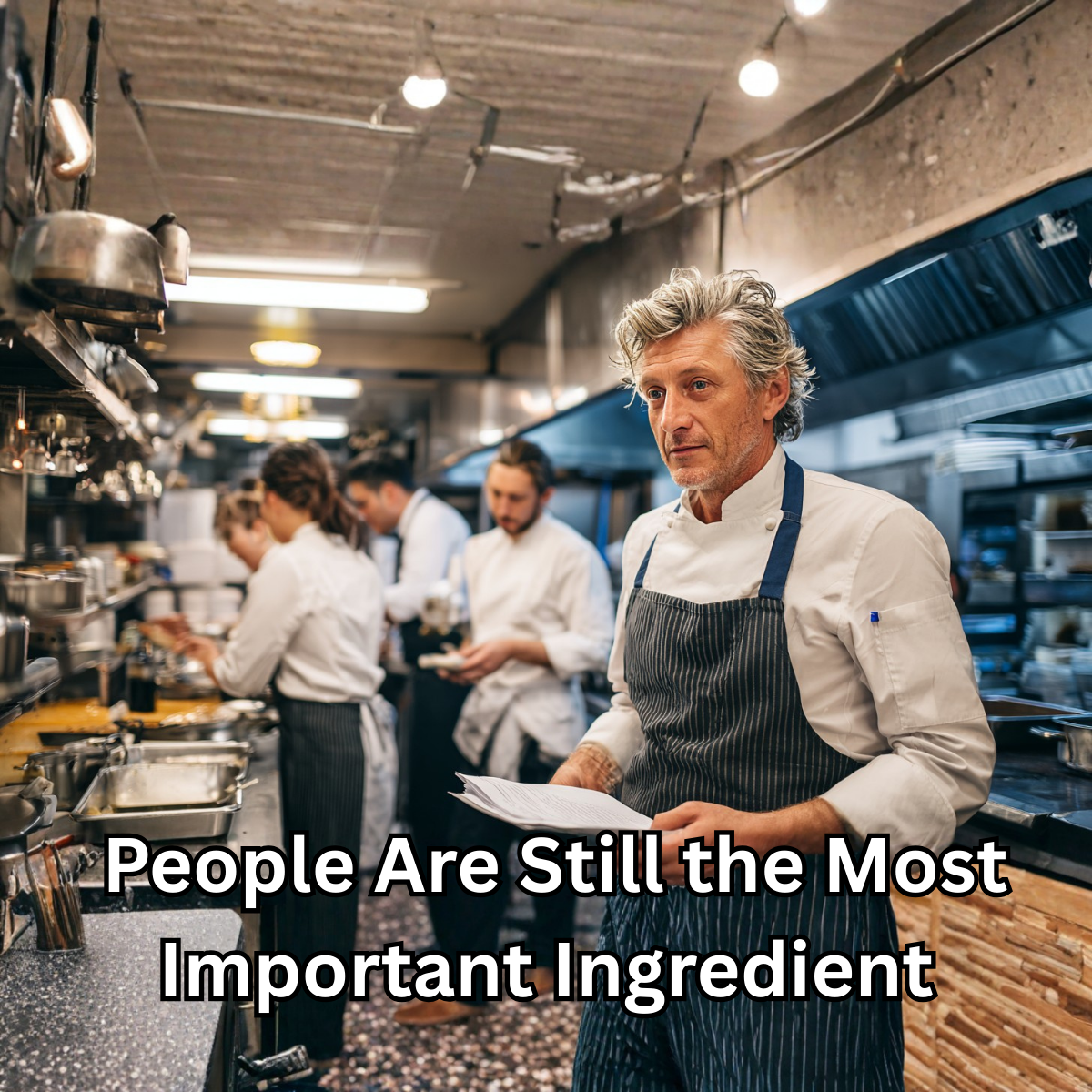
I have learned this the slow way, watching the same tools produce very different results in different hands. In one venture, technology became a force multiplier. In another, it turned into expensive overhead. The difference was never the software. It was the people.
Early on, it becomes clear that skills alone are not enough. Alignment matters. Someone can be technically brilliant and still be wrong for the mission or the pace. In a young venture, you need people who can wear multiple hats, adapt quickly, and share the vision. The right person is not just capable; they are competent. They are invested in the outcome.
Technology amplifies what people do, for better or worse. Give sophisticated tools to the wrong team, and you get sophisticated mistakes faster. Put those same tools in the hands of the right people, and a small team can punch above its weight. AI, automation, and algorithms become leverage, not noise.
When resources are limited, hiring for potential over pedigree matters more than most founders expect. Curiosity, hustle, and a willingness to learn often beat credentials. Early hires live in ambiguity. They solve problems without a clear map and keep moving even when the path changes.
Chemistry matters too. A small team under pressure spends a lot of time together. One person who drains energy or creates friction can stall momentum, no matter how strong their technical ability. And as the venture grows, the skills you need change. The person who gets you from zero to one may not be the one who takes you from ten to one hundred. Building a team means thinking about where you are going, not just where you stand today.
There are also things technology cannot replace. Judgment in gray areas, when data is incomplete or conflicting. Relationship building with customers, partners, and investors, where trust is built one conversation at a time. Resilience and grit, the quiet decision to push through setbacks when quitting would be easier.
“Technology is the toolkit, but people are the craftspeople.”
I often come back to that simple truth. The same tools, in different hands, produce different results. The next step is not to add another platform or feature. It is to look at the people around the table and ask if they truly align with where you are headed. That question, answered honestly, changes everything.