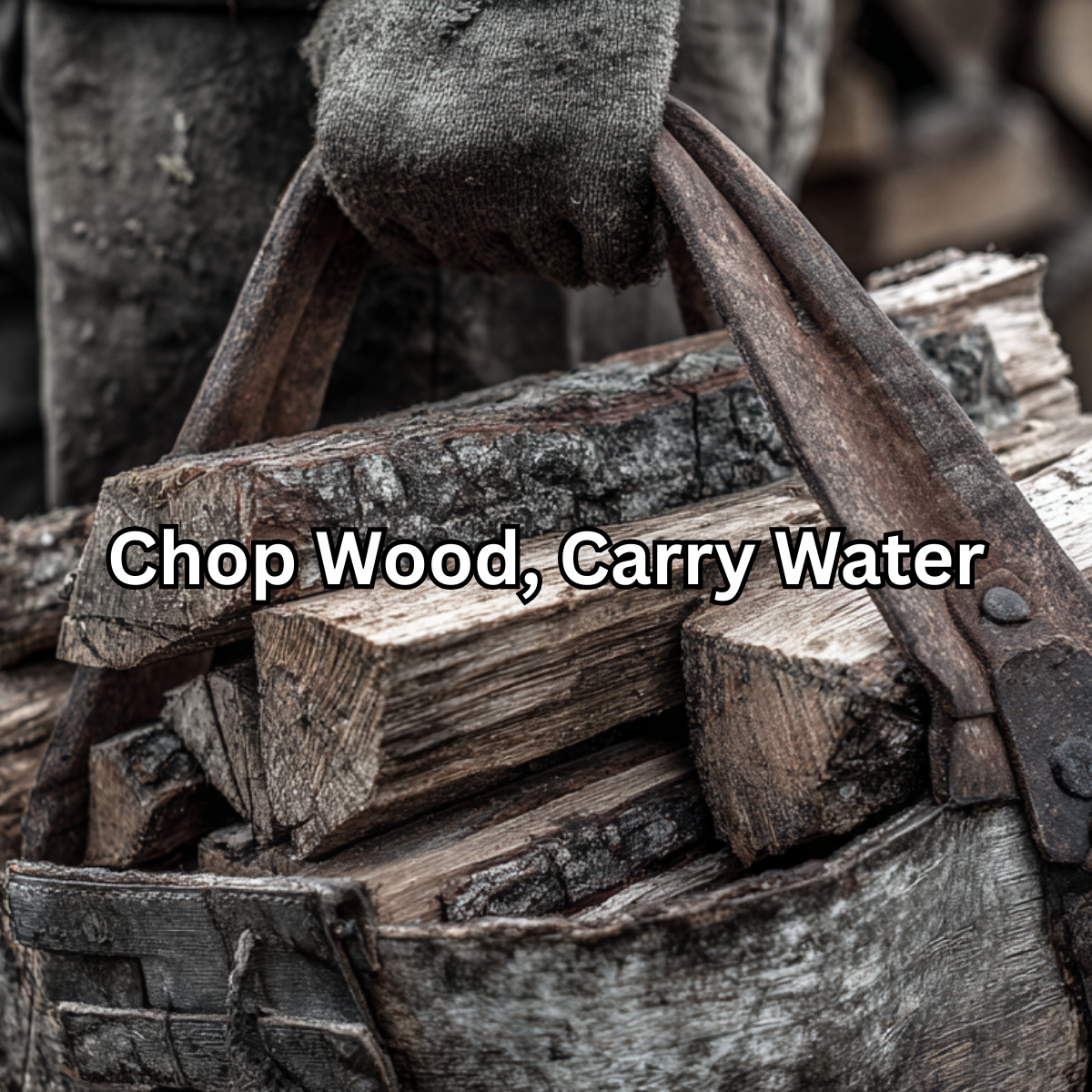
Day 143 – Chop Wood, Carry Water

I was maybe eight or nine when my parents took me on a hike I still remember. I liked the idea of hiking, but the actual doing of it was another matter. We were climbing a steep hill, and I could see what I thought was the top in the distance. I remember thinking, “I cannot believe we are going all the way up there.” My mom told me to just think of how good it would feel once we got to that point. So I kept going. One foot in front of another.

Finally, we reached the top. Except it wasn’t the top. It was just the first crest of a small series of foothills, and beyond that stood the base of the real mountain. I had made it to the top of this little hill, and now I knew the real work had just begun.

I think about that moment often these days. I’m in what people are now calling “the AI business,” and I see a constant flood of people bragging about their new method, system, or application that does all their work for them. How easy life is now, they say. I chuckle, because these poor fools do not realize that now they have done this, the real work has only begun.

There’s an old story about a master and his young student. The student asks about the process of achieving enlightenment. The master says, “Before enlightenment: chop wood, carry water. After enlightenment: chop wood, carry water.”

The real work has only begun.

The tools change. The hill gets climbed. But the mountain is still there. The work is still the work. You still have to show up. You still have to put one foot in front of the other. The difference is that now you know what you’re looking at.

So when you reach what feels like a summit, take a breath. Look around. Then look ahead. The real work is waiting, and that’s exactly as it should be.
Subscribe
Notify of
guest
0 Comments
Inline Feedbacks
View all comments
Share the Post:

Recent Blogs

Day 361 – Is the Brain Getting Old or Just Changing?

As we age, our brains may shift from remembering every detail to focusing on meaning and wisdom. This natural cognitive shift, supported by research from the University of Arizona, suggests that difficulty recalling minutiae isn’t a sign of decline but an adaptation towards higher-order thinking.

Read More

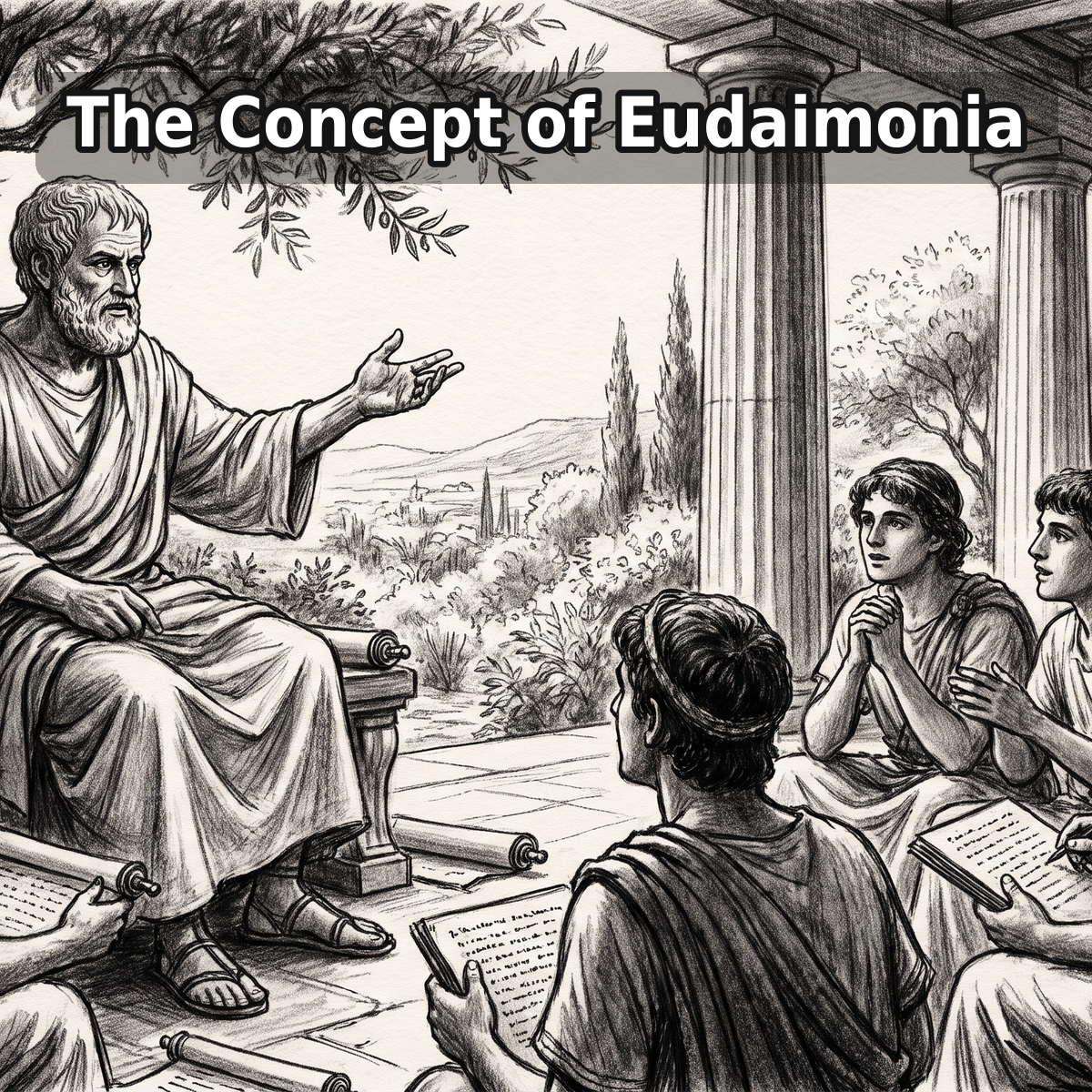
Day 360 – The Concept of Eudaimonia

Aristotle’s concept of eudaimonia, or the highest human good, suggests that true happiness comes from aligning our actions with our cherished virtues over a sustained period, rather than from fleeting pleasures. This involves living a life that feels purposeful and authentic, even through struggles.

Read More

Day 359 – Opinionated or Good Judgement?

The distinction between having an opinion and being opinionated lies in how strongly and frequently one expresses their views, and their openness to others’ perspectives. While strong opinions can be admired when backed by expertise, constant and forceful expression across various topics can be perceived as arrogance or exhausting. The key to being seen as having good judgment rather than being opinionated is to deliver opinions appropriately and remain open to new evidence.

Read More

Day 358 – We Remember Legend

This article explores the concept of legend versus history, arguing that legends are what people choose to remember and retell over generations. Using the story of Noah’s Ark as an example, it discusses how historical events can become exaggerated and imbued with cultural meaning, posing the question of what makes a legend meaningful enough to endure. The author also reflects on personal and family legends, and contemplates what actions in their own life might become legendary for future generations.

Read More
0
Would love your thoughts, please comment.x
()
x