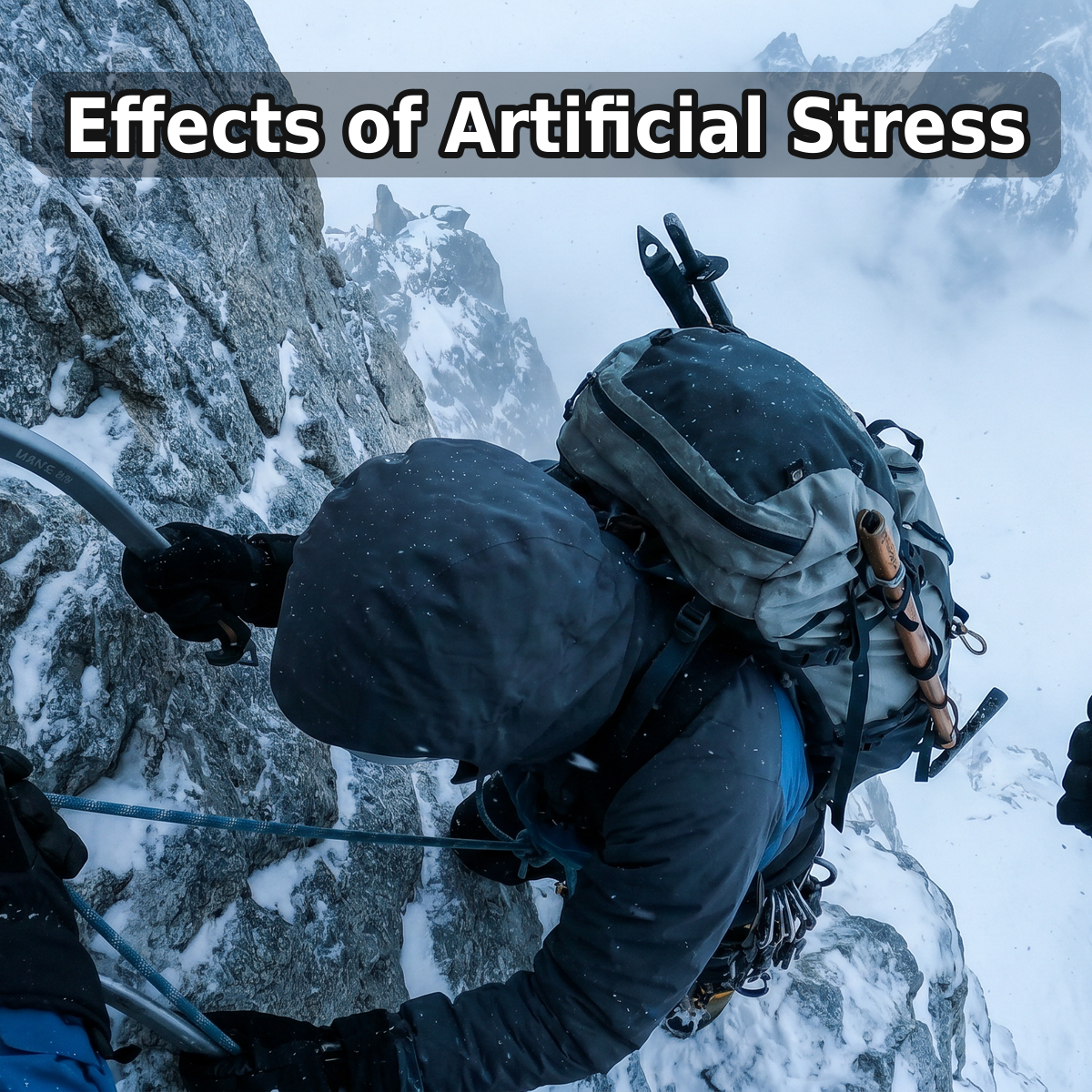
I noticed it as soon as I got back: my phone was trying to get my attention again. A streaming app. A social app. A game. After a week in a remote wilderness with poor food, high elevation, discomfort, and real problems to solve, that small moment felt like the clearest answer to why I had started sleeping again.
Before that trip, I had been having difficulty sleeping. Then I spent a week backpacking in an absolutely remote wilderness. It was not restful in the usual sense. It was hard. It was uncomfortable. I dealt with highly stressful situations in difficult backcountry. And yet when it was over, I felt more rested and more relaxed than I had before I left. My sleep quality improved dramatically.
That contrast stayed with me.
Real stress and artificial stress
Out there, the stress was real, but it was clean. I had immediate problems in front of me. They needed my attention, and they asked something concrete from me. I was dealing with remoteness, elevation, discomfort, and the basic demands of getting through the trip.
None of that was easy. But it was direct.
When I came home, I returned to normal life and all the creature comforts. I was physically safer. I was more comfortable. I had better food, a bed, and convenience. On paper, I should have relaxed even more.
Instead, I noticed how quickly the usual noise came back.
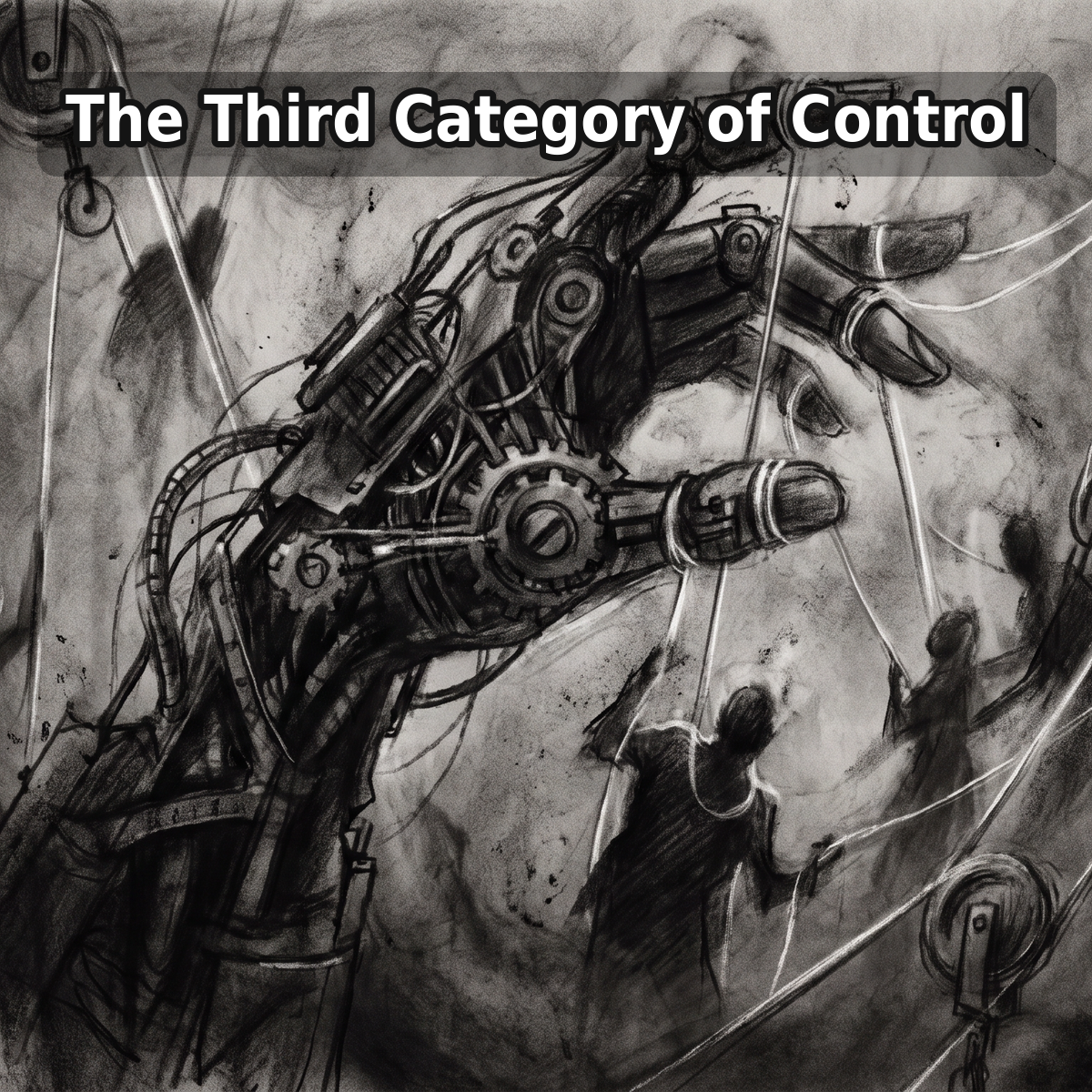
My phone was full of small demands. A show to watch. A feed to check. A game to open. Each one was minor by itself. None of it looked like danger. None of it looked serious. But all of it wanted something from me.
That is what changed.
The body still keeps score
The body does not treat simulated stress as identical to real life danger, but it also does not ignore it. If an experience feels intense enough, it can still create real cortisol and dopamine responses. Over time, constant high arousal media exposure may keep a person more activated than they realize.
I think that is closer to what I was feeling before the trip.
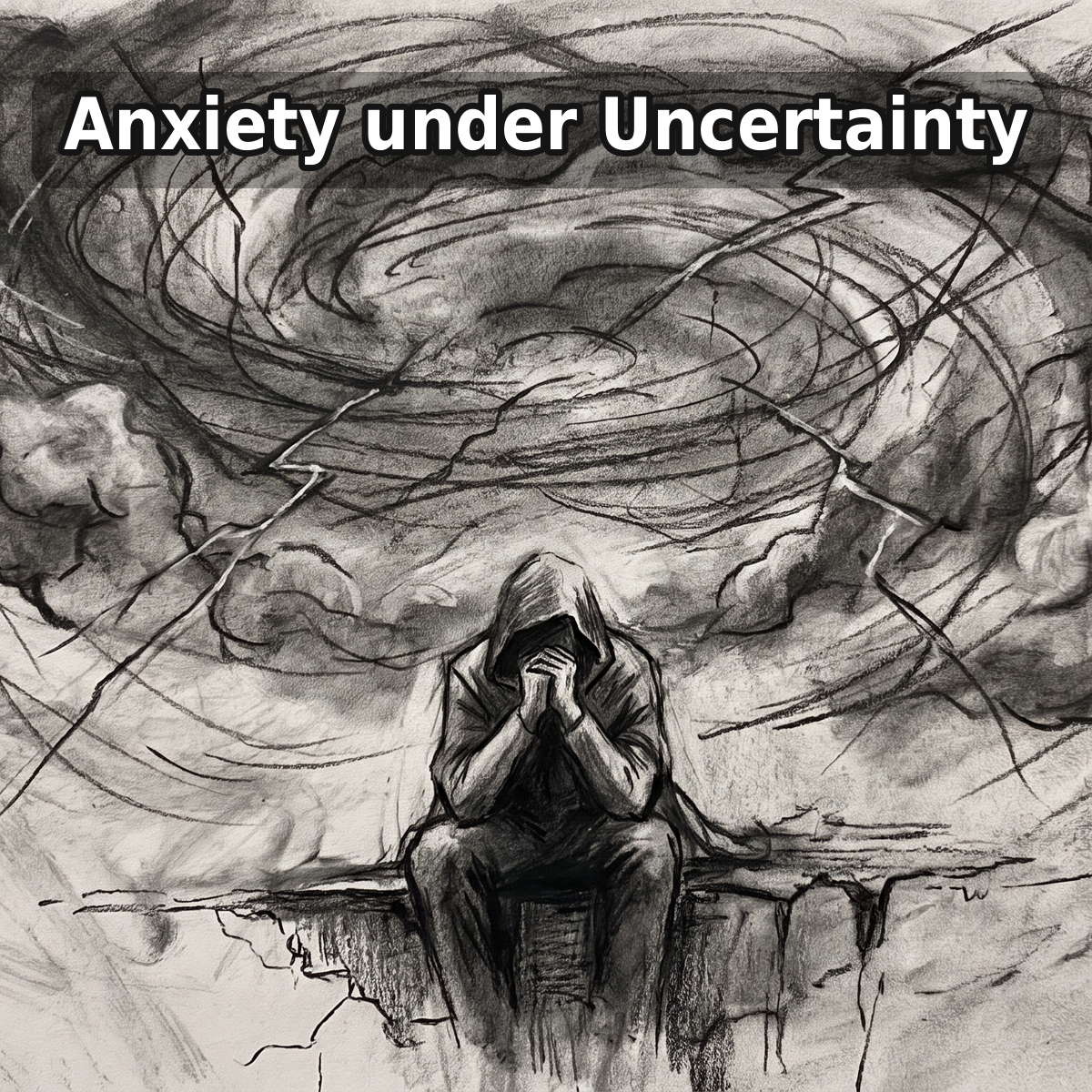
It was not one large problem. It was a constant stream of smaller signals. Attention here. Reward there. Tension, release, novelty, anticipation. Not enough to feel dramatic, but enough to keep the system from settling down.
"We may never fully relax because we are constantly bombarding ourselves with artificial stress."
In the wilderness, I had actual stress, but I did not have that endless layer of simulated urgency. There were no apps competing for my attention. No steady drip of media pulling on the mind. The hard parts of the trip were still hard, but they ended when they ended. They belonged to the moment. They did not follow me into every spare second.
That may be why I came back more rested than when I left.
What I am paying attention to now
I used to think rest was mostly about comfort. Better conditions. Fewer problems. More convenience. But this experience made me wonder if rest also depends on the absence of artificial demands.
Maybe the issue is not that modern life is too difficult. Maybe it is that it never stops poking at the nervous system.
A week in remote wilderness gave me poor food, high elevation, discomfort, and stressful problems to solve. It also gave me something I did not realize I was missing: silence from the machines that always want a response.
So I keep coming back to that moment when I got home and saw the apps reaching for me again. That was the opening scene, and now it feels like the lesson too. My next step is simple: I am going to start removing those digital bids for attention and see how much real rest returns with them gone.