Beyond Repentance: A Practical Way to Let Go
Most people tense up when they hear the word repentance. They picture a dark confession room in a cathedral, or some harsh ritual meant to punish a person for what they did. But at its core, repentance is something much simpler and much more useful: a formal way to let go.
That is why I think we should borrow the method, even if we leave the religious setting behind. Letting go does not happen because we tell ourselves to move on. It happens when we actively process what happened, take responsibility for it, and make room to become someone wiser on the other side.
Start by Facing What Happened
The first step in letting go is not comfort. It is honesty.
If I have done something wrong, I need to stop arguing with reality. I need to say, plainly, This happened, and I did it. That does not mean I approve of it. It does not mean I want to carry shame forever. It simply means I am no longer wasting energy pretending it was nothing, denying my role, or covering it with excuses.
This is where real change begins. As long as I downplay the mistake, I stay stuck in it. Acceptance is hard because it removes the distance between me and the truth. Still, it is necessary. I cannot let go of something I refuse to hold still long enough to see clearly.
Take Responsibility, Then Repair What You Can
After acceptance comes responsibility. Not vague guilt. Not endless self punishment. Real responsibility means understanding the impact of my actions.
If what I did affected another person, then a sincere apology matters. A good apology does not try to rescue my image. It does not hide behind explanations like, I am sorry, but I was stressed. It stays focused on the harm itself: I am sorry for what I did and the hurt it caused you.
When possible, I should also take concrete action to repair the damage. Words matter, but action gives those words weight. This part is not about performing goodness. It is about trying, in whatever way is still available, to make something right.
Then comes the part many people resist most: forgiving myself.
Self forgiveness is not the same as pretending the mistake was fine. It is not letting myself off the hook. It is accepting that I am human. I can hold myself accountable without chaining myself to the worst thing I have done. If I refuse that, then self blame becomes its own form of paralysis.
"The mistake is something you did, not who you are."
Change the Story and Move Forward
How I tell the story of my mistake shapes the power it has over me.
If I treat it as a permanent stain on my character, I will keep reliving it. If I treat it as one hard lesson in a longer life, I create space to grow. That means asking simple questions. What did I learn? What weakness did this reveal? What value did it bring into focus? What would I do differently next time?
It also means separating the action from my identity. I should remember my positive qualities and past successes, not to erase the mistake, but to keep my view of myself honest and balanced.
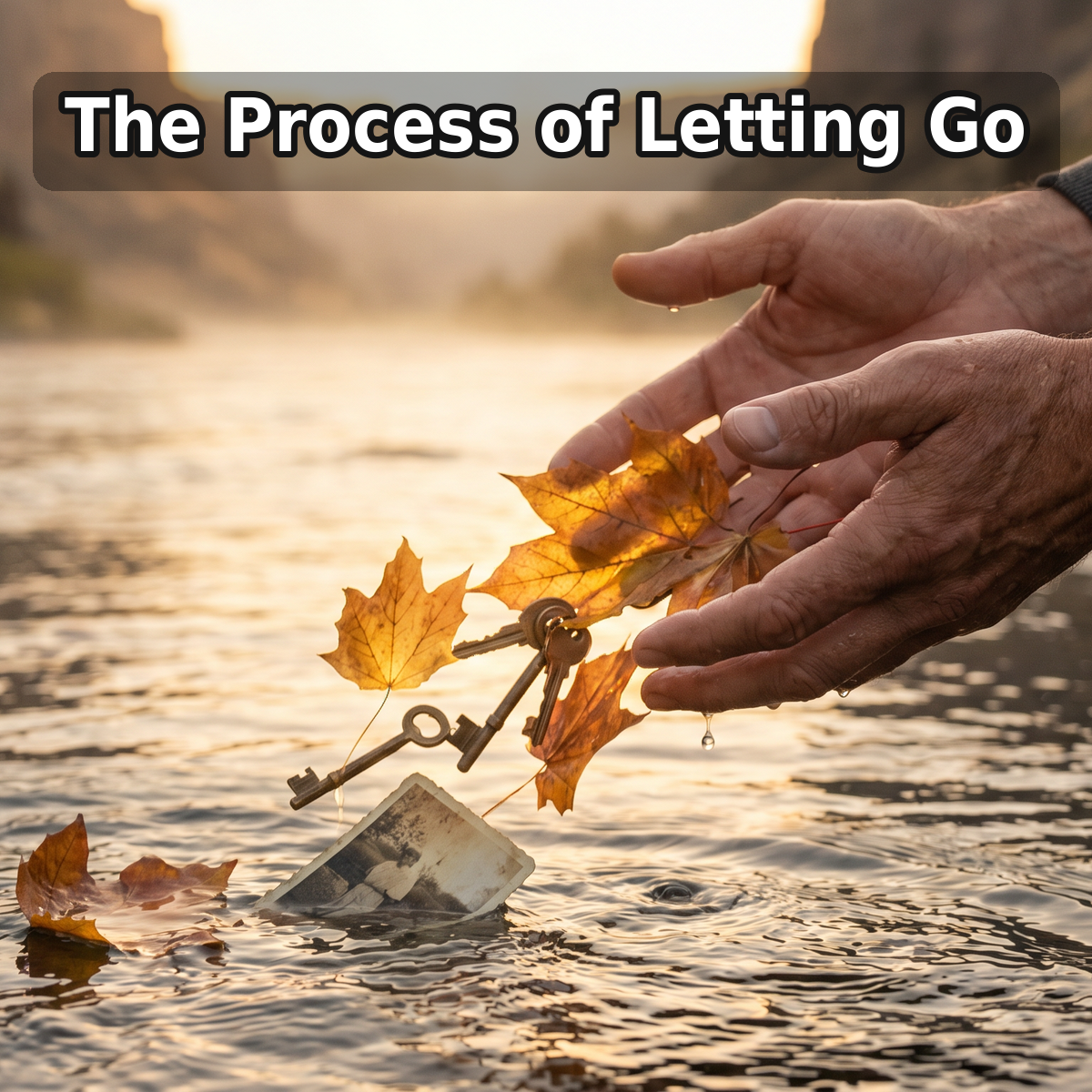
Finally, letting go requires movement. Sometimes a symbolic act helps. Writing the mistake down and safely burning or discarding the paper can create a feeling of closure. Sometimes the better step is quieter. I stop feeding the past with constant rumination and turn my attention to the present. I invest in the people, work, and activities that bring joy and purpose. Over time, the memory loses force. It becomes less like a weight in my pocket and more like a mark in an old notebook.
Letting go is rarely a single moment. It is usually a gradual process. It asks for patience. It asks for compassion. It asks me to keep choosing truth over denial and growth over self punishment.
So when that old, loaded word repentance comes up, I no longer hear only fear and punishment. I hear a method. I hear a path. I hear a way to put down what I have been carrying.
And the next time I catch myself replaying a mistake, I know where to begin: I will name it plainly on paper.