I was thinking about flooding this morning, and my mind went to New Orleans. Most people in the United States think of that city first when they picture water rising over streets and homes. A large portion of New Orleans sits below sea level, which makes the threat constant. But New Orleans is not alone in this struggle.
The Netherlands faces the same challenge. A substantial part of the country sits at or below sea level. The Dutch government describes the nation as a low-lying, flood-prone delta. Dikes and dunes protect it from the sea and major rivers. Dutch water management is not just infrastructure. It is survival.
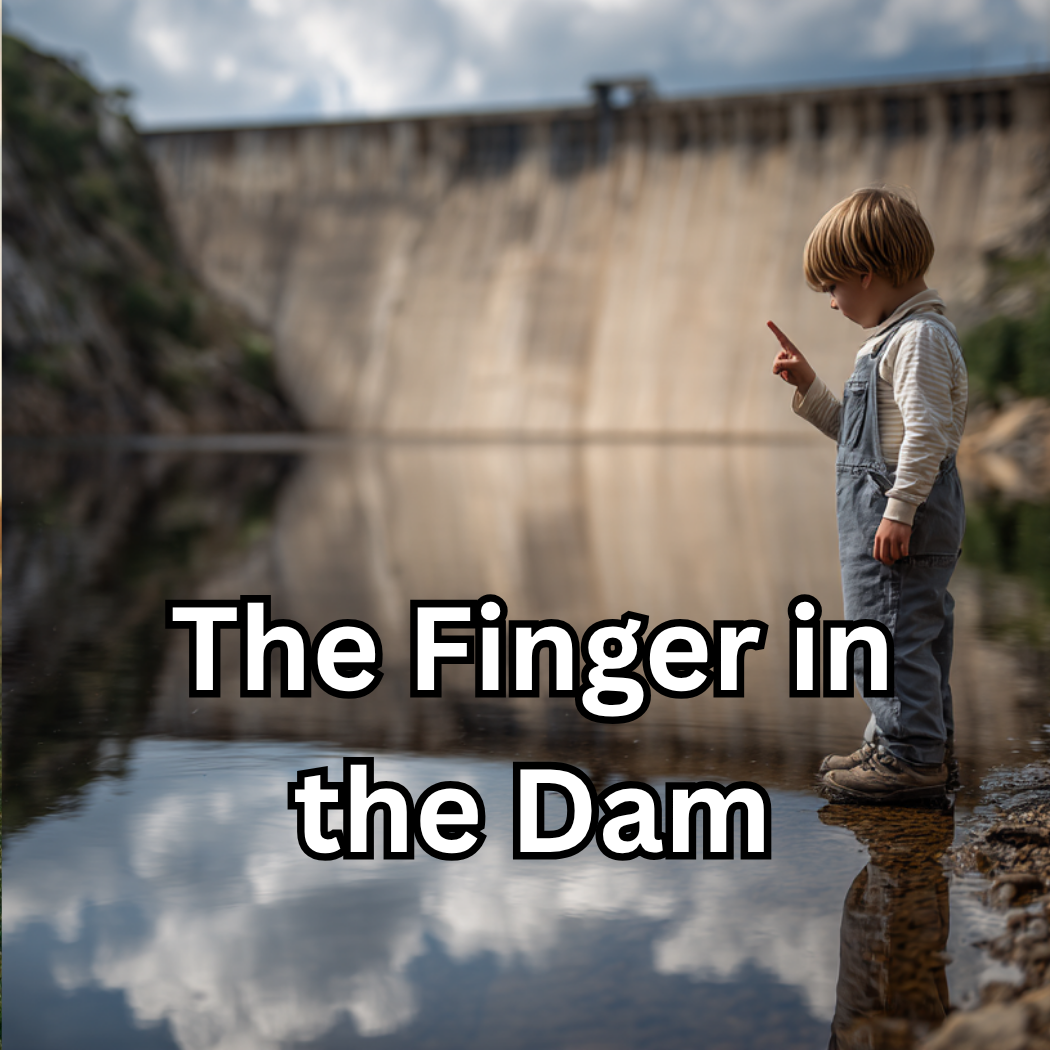
This is where the story of the Hero of Haarlem comes from. You probably know it as the tale of the little Dutch boy who notices a leak in a dam and keeps it plugged with his finger until help arrives. The story has been around a long time, but it became famous in Mary Mapes Dodge’s 1865 novel Hans Brinker, or The Silver Skates. In one scene, a character reads from a lesson book about this Hero of Haarlem. The image stuck. A small boy standing with his finger in a dam, holding back disaster through sheer will and selflessness. You might recognize the two main characters of that book. Hans and Gretel Brinker.
But the image that survives is always the poor soul standing there with a finger in the dam. Or perhaps ten fingers and ten toes if you are a founder or entrepreneur of a startup.
I have been that person. I have stood in the middle of a crisis, holding something together with whatever I had, knowing that if I moved, the whole thing would collapse. I have watched others do the same. They are the people who notice the leak before anyone else does. They are the ones who step in without being asked. They do not wait for permission. They do not wait for a plan. They just act.
These people exist in every organization. They are not always the loudest voices in the room. They are not always the ones with the titles. But they are the ones who keep everyone else safe. They are vigilant. They prevent disaster. And most of the time, no one notices until it is too late.
The tension is this. We celebrate the big wins. We celebrate the product launches, the funding rounds, the growth milestones. But we forget the people who held the dam together while everyone else was building. We forget the person who stayed late to fix the bug that would have broken the system. We forget the person who caught the error in the contract before it was signed. We forget the person who stepped in when the team was falling apart.
“We celebrate the big wins, but we forget the people who held the dam together while everyone else was building.”
I am not saying we should stop celebrating wins. I am saying we should also see the people who make those wins possible. The ones who stand with their finger in the dam. The ones who do not move until help arrives. The ones who do not ask for recognition because they are too busy holding the line.
If you are leading a team, look around. Find the people who are standing in the flood. Find the ones who are holding something together that you did not even know was broken. Thank them. Not with a generic email. Not with a company-wide shout-out. Thank them in a way that shows you see what they are doing. Then ask them what they need. Ask them how you can help. Ask them if they can step away from the dam long enough to rest.
And if you are the one standing there with your finger in the dam, know this. What you are doing matters. It matters more than you think. But you cannot stand there forever. At some point, you have to ask for help. At some point, you have to let someone else take a turn. At some point, you have to trust that the system can hold without you.