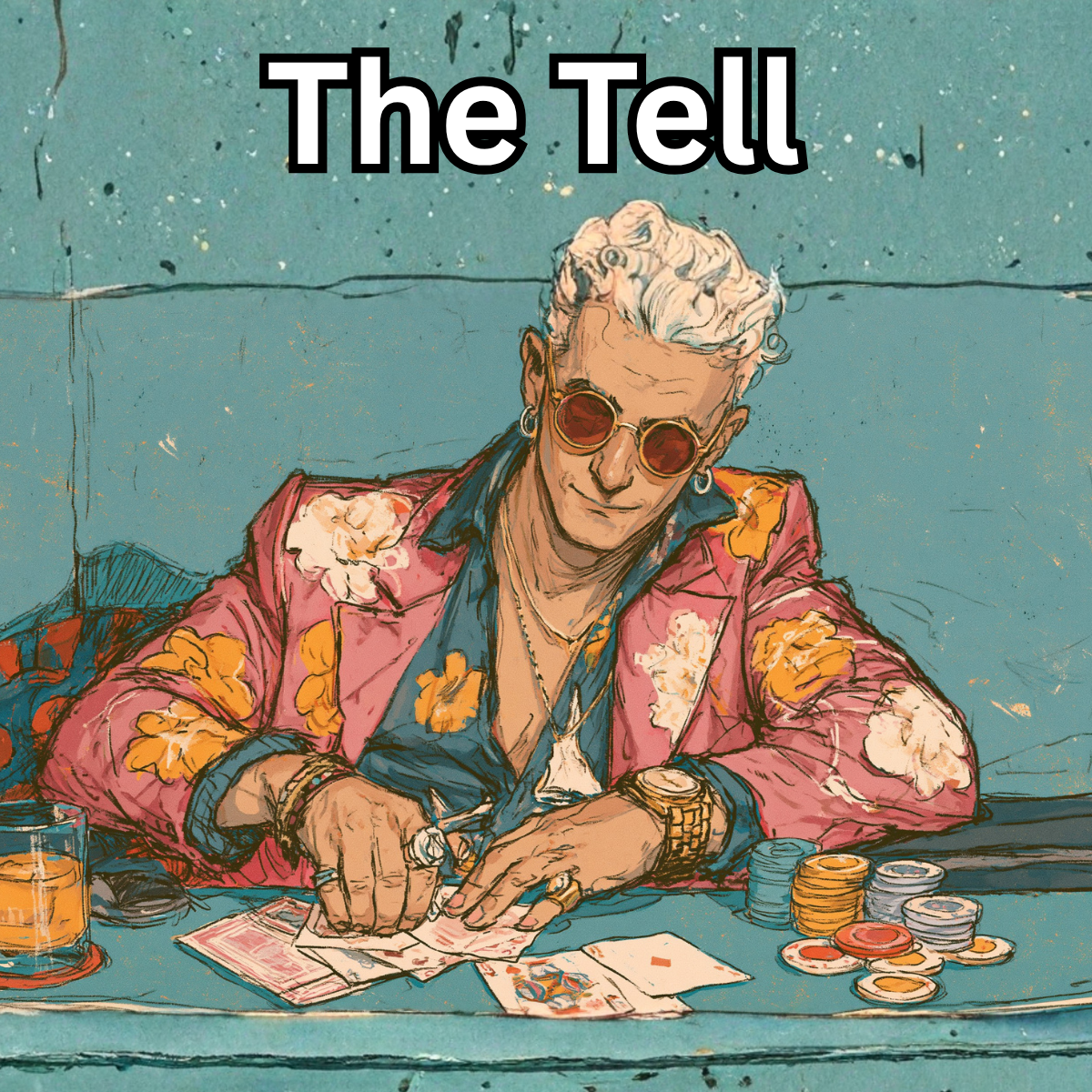
I was sitting at my kitchen table last Friday night watching my college-age kids play poker with their friends. I had not played in years, so I was relearning the game as I went. One of the young men kept announcing his hand before anyone called. “I’m bluffing,” he would say, or “I’ve got a good hand this time.” Every time he spoke, he was saying the exact opposite of what his cards actually showed. That is when it hit me. This is not just a poker problem. This is a human problem.
People say the opposite of what they mean more often than we think. In poker, it is called a tell. In life, it is called something else, but it works the same way. The person who keeps saying they are calm is usually not calm. The person who keeps saying they are honest is usually managing how you see them. The person who says they do not care usually cares the most. The declaration is not the truth. It is the defense.
There are a few reasons this happens. The first is that people are managing perception. They are not just communicating information. They are shaping how you see them. They want to appear fair, rational, generous, or unbothered, even when their actual motive is more complicated. The second reason is that they are defending against exposure. The thing they deny is often the thing they are afraid you will notice. “I’m not angry” really means “Please do not hold me accountable for my anger.” The third reason is that they are trying to control the frame. Whoever defines the situation often gains power. Saying “I’m just being honest” frames cruelty as virtue. Saying “I’m not pressuring you” can itself become pressure.
Not everyone is doing this consciously. A lot of people are protecting their self-image. They may genuinely believe they are being reasonable while their behavior shows something else. They may not fully know their own motive. That does not make the pattern less real. It just makes it harder to see.
The deeper principle is this. People often reveal themselves most clearly in the thing they feel compelled to deny, announce, or over-explain. A calm person rarely needs to keep saying they are calm. An honest person rarely needs to keep saying they are honest. A powerful hand in poker does not need much theater. A weak position often does.
This is not a perfect rule. Sometimes people say they are upset because they are upset. Sometimes someone says they have a good hand because they do. But when the statement feels performative, unnecessary, repetitive, or oddly timed, that is when it becomes a tell. That is when you should pay attention.
“People often reveal themselves most clearly in the thing they feel compelled to deny, announce, or over-explain.”
I watched that young man lose three hands in a row because he could not stop talking. He was trying to control how we saw him, and in doing so, he showed us exactly what he was holding. I have done the same thing. I have said “I’m fine” when I was not fine. I have said “I don’t care” when I cared deeply. I have announced the identity I wanted people to believe instead of just being honest about what I actually felt.
The next time someone tells you who they are, pause. Do not accept the declaration at face value. Watch what they do. Ask yourself what they would benefit from you believing right now. That question usually cuts through the performance. And the next time you feel the need to announce something about yourself, stop. Ask yourself why you feel the need to say it. The answer might be more honest than the statement you were about to make.