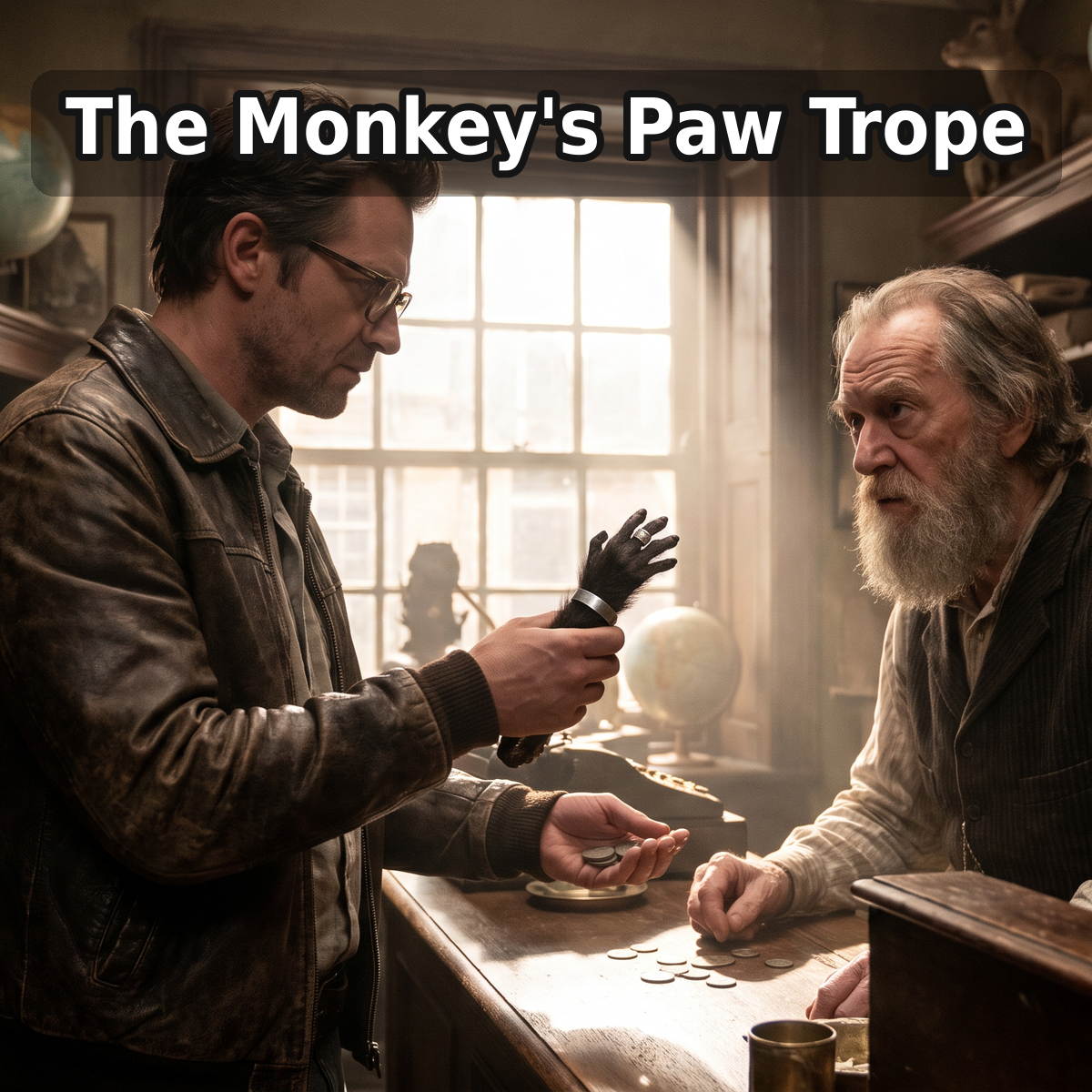
I was sitting with someone yesterday, and we got to talking about doing the right thing. He said something about making sure we have our entrance ticket to heaven when the time comes. It was a lighthearted moment, but the idea stayed with me. Later that evening, I started thinking about the phrase people throw around like it is some kind of law. “What goes around comes around.” I have known real jerks who went on to live rich and rewarding lives. I have known saints who died young, their dreams left unfulfilled. The formula does not always hold.
The phrase is often true as a pattern, but it is not always true as a promise. The way we treat people tends to shape our reputation, relationships, opportunities, and the level of trust others give us. Kindness, honesty, generosity, and patience usually create conditions where those things come back to us. Manipulation, selfishness, dishonesty, or cruelty usually create consequences too, even if they do not show up immediately. But life is not perfectly fair in the short term. Some people do wrong and seem to benefit. Some people do good and still suffer. I would not treat the phrase as a guarantee that every action gets an equal and visible return.
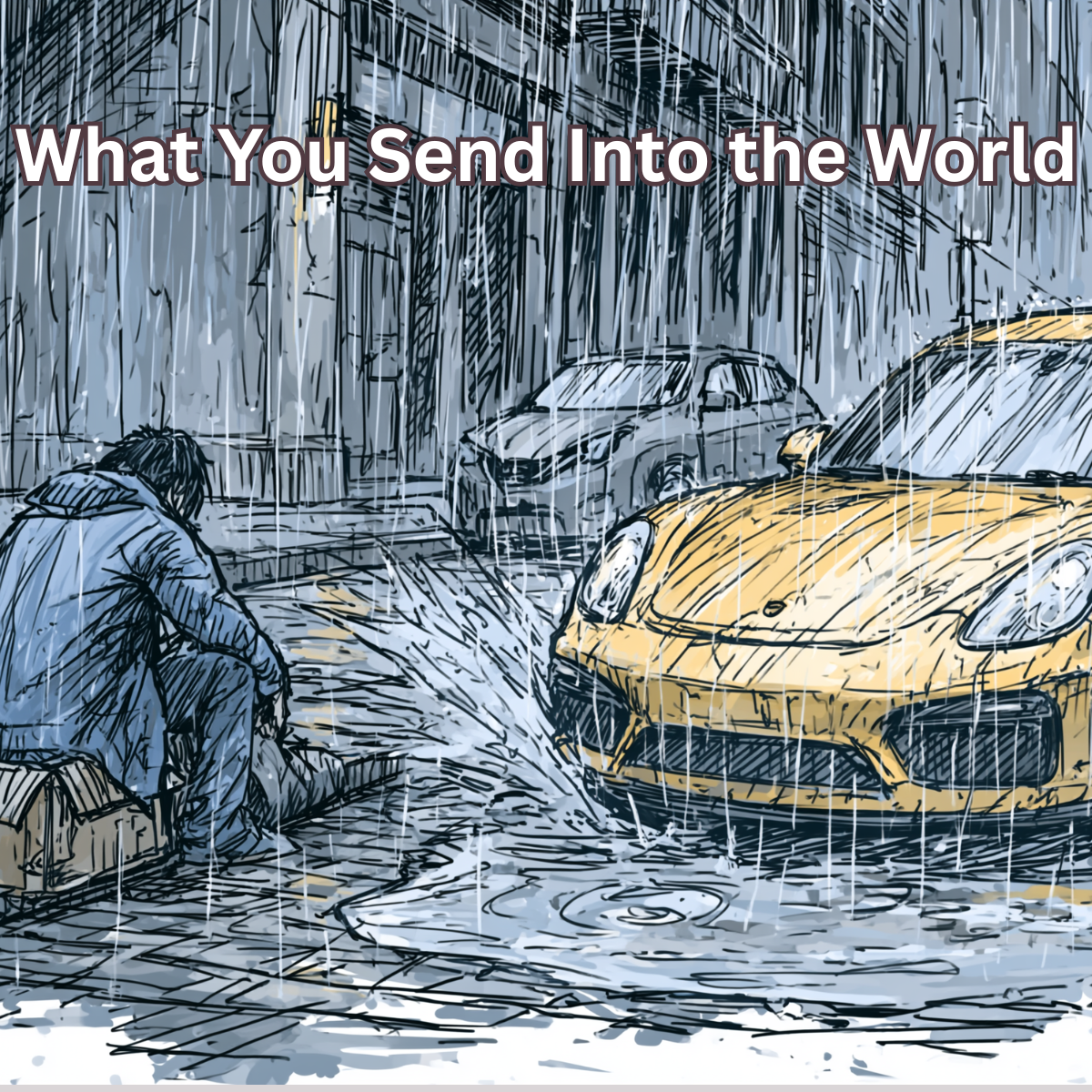
A better version might be this. What we send into the world shapes the world we have to live in. That is true more often than not. Your actions form your character. Your character forms your habits. Your habits form your relationships. Your relationships often determine what eventually comes back to you. The sequence is not instant, but it is real.
This is not about cosmic justice or some invisible ledger that balances itself by Friday. It is about the fact that you are building something every day. You are building the person you are becoming. You are building the environment you will have to live in. You are building the trust others will or will not give you. Those things accumulate. They compound. They shape what is possible for you later.
The people who treat others with respect, who keep their word, who show up when it matters, tend to find that others do the same for them. Not always. Not immediately. But over time, the pattern holds. The people who cut corners, who manipulate, who take without giving, tend to find that trust erodes. Opportunities close. Relationships weaken. Again, not always. Not immediately. But the pattern is there.
The mistake is expecting the return to be immediate or proportional. It will not be. The mistake is thinking that doing the right thing guarantees a reward. It does not. The mistake is believing that doing the wrong thing guarantees a consequence. It does not. But over time, the way you treat people and the way you move through the world shapes the world you get to live in. That is the part you can control.
“What we send into the world shapes the world we have to live in.”
So if you want a world where people trust you, be trustworthy. If you want a world where people help you, be helpful. If you want a world where people give you the benefit of the doubt, give it to them first. You are not doing this because it guarantees a return. You are doing it because it shapes who you are and what you are building. And that is the only part of this that you actually control.
The next time you are deciding how to treat someone, remember that you are not just making a choice about them. You are making a choice about the world you are building for yourself. That choice matters. Not because it guarantees a reward, but because it shapes what comes next.