Went to bed last night with a realization that someone had made a decision that felt deliberate, unfair, and aimed directly at me. The evidence was clear. The harm was real. And the voice in my head was already drafting the response. Not a measured one. A sharp one. The kind that would land hard and make them feel what I was feeling.
That is when I realized what was happening. I was being recruited.
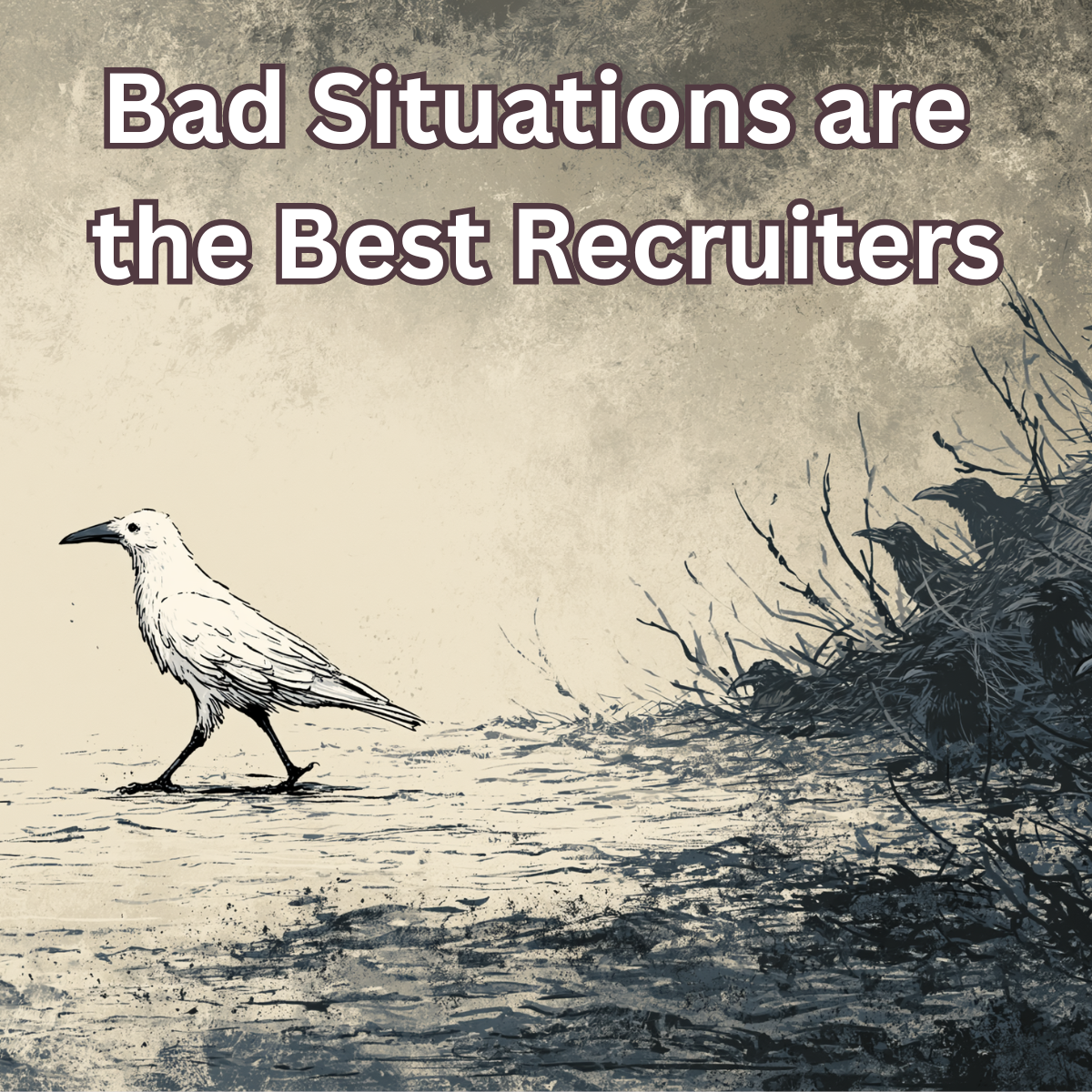
Bad situations are the best recruiters. They recruit us into anger, bitterness, gossip, revenge, obsession, defensiveness, self pity, cynicism. They are persuasive because they come with evidence. They can point to what happened, what was said, what was done. They can say, look how unfair this is. You have every right to become hard now. And they are not wrong. The emotion is justified. The harm is real. The case can be made.
But dignity is the decision not to let a justified emotion become an unjust version of yourself.
The temptation is not irrational. It is reasonable. That is what makes it dangerous. When you are wronged, the instinct to match the energy, to fight at that level, to use their methods, feels like justice. It feels like strength. It feels like the only way to make them understand. But what it actually does is recruit you into becoming what you are resisting.
Bad situations offer us a temporary sense of power at the cost of our character. They say, come down here. Fight at this level. Make them feel it. And if you accept that offer, you win the moment and lose something larger. You prove your point and compromise your integrity. You get the satisfaction of landing the blow and the burden of carrying what you became in order to land it.
I have been recruited before. I have taken the bait. I have matched the energy, used the sharp words, and felt the brief rush of making someone else feel what I felt. And afterward, I did not feel stronger. I felt smaller. Not because I was wrong about what happened. I was right. But I was wrong about what I became in response to it.
The real danger of injustice is not only what it takes from you. It is what it tries to turn you into.
This does not mean you ignore the harm. It does not mean you stay silent or passive. It means you deal with it truthfully. You protect yourself firmly. You respond wisely. But you do not let the situation recruit you into becoming something you will regret. You do not let the wrong define who you are.
“The real danger of injustice is not only what it takes from you. It is what it tries to turn you into.”
I woke up this morning and decided just to let the anger be there without acting on it. I wrote the sharp response in my head and then deleted it. I asked myself what I actually wanted. Not in that moment. In the long term. I wanted to be someone who could face harm without becoming harmful. I wanted to be someone who could hold the line without crossing it.
So I responded. But I responded as the person I want to be, not as the person the situation was trying to recruit me into. I did not match the energy. I did not take the bait. And when I hit send, I felt something different. Not the rush of landing a blow. The quiet satisfaction of refusing to be recruited.
The win is not proving they were wrong. The win is refusing to let the wrong recruit you. The next time a bad situation shows up with its evidence and its offer, pause. Notice the recruitment pitch. Then decide who you want to be when this is over. That person is still available to you. But only if you refuse the offer.