I have lived much of my life with ambition as a constant companion. I have always wanted to improve, accomplish more, build something meaningful, and discover what I might be capable of becoming. That drive has served me well. It has pushed me through difficulty, opened doors, and helped me achieve things that once seemed beyond my reach.
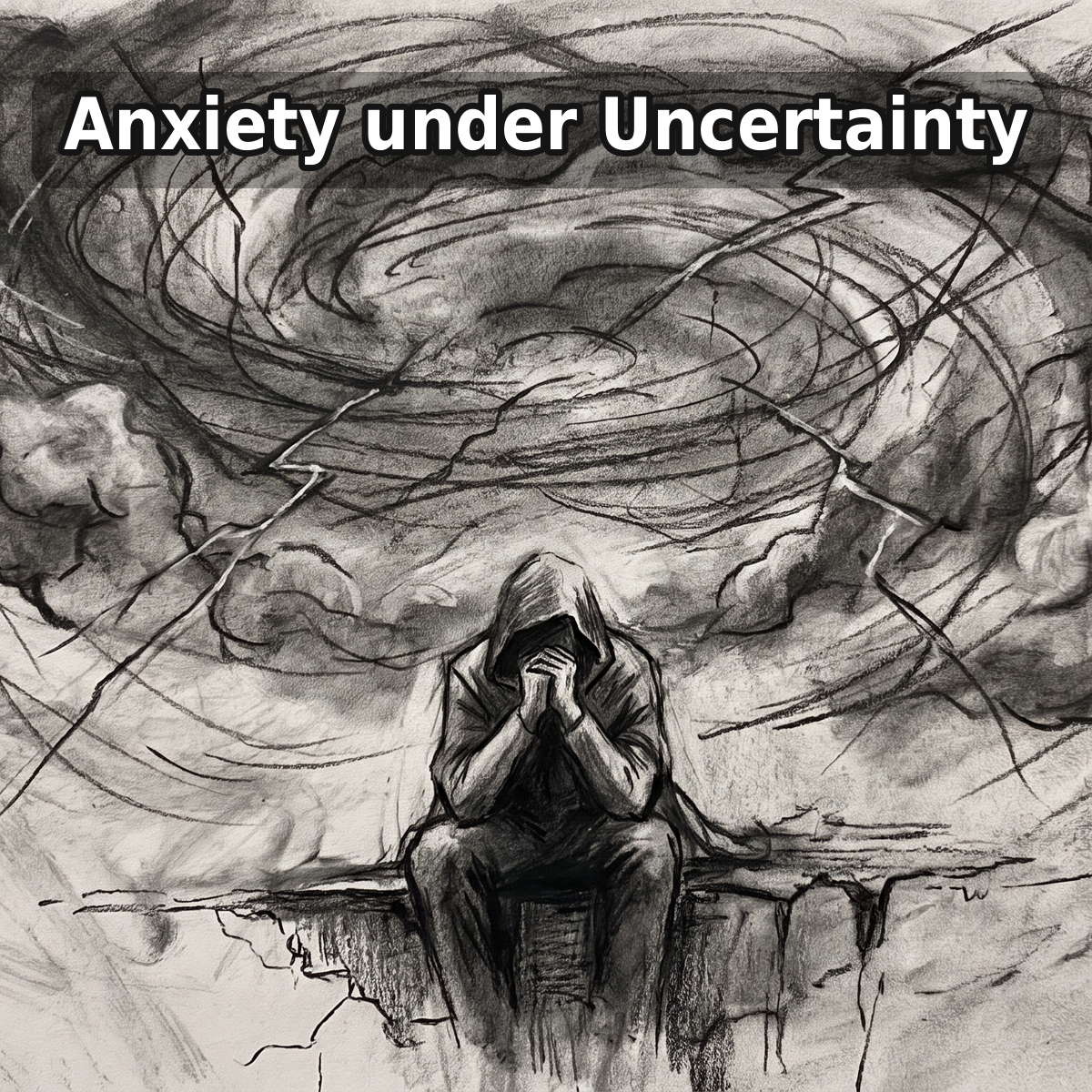
But as I have gotten older, I have begun to recognize something missing. For all the progress, accomplishment, and forward movement, contentment is not a feeling I have experienced very often.
There has almost always been another mountain to climb.
Whenever I reached a goal, I enjoyed the accomplishment briefly. Then my attention moved toward the next objective. What once looked extraordinary soon became ordinary. The promotion became the new job. The new income became the new budget. The achievement that once seemed capable of making me happy became another item checked off the list.
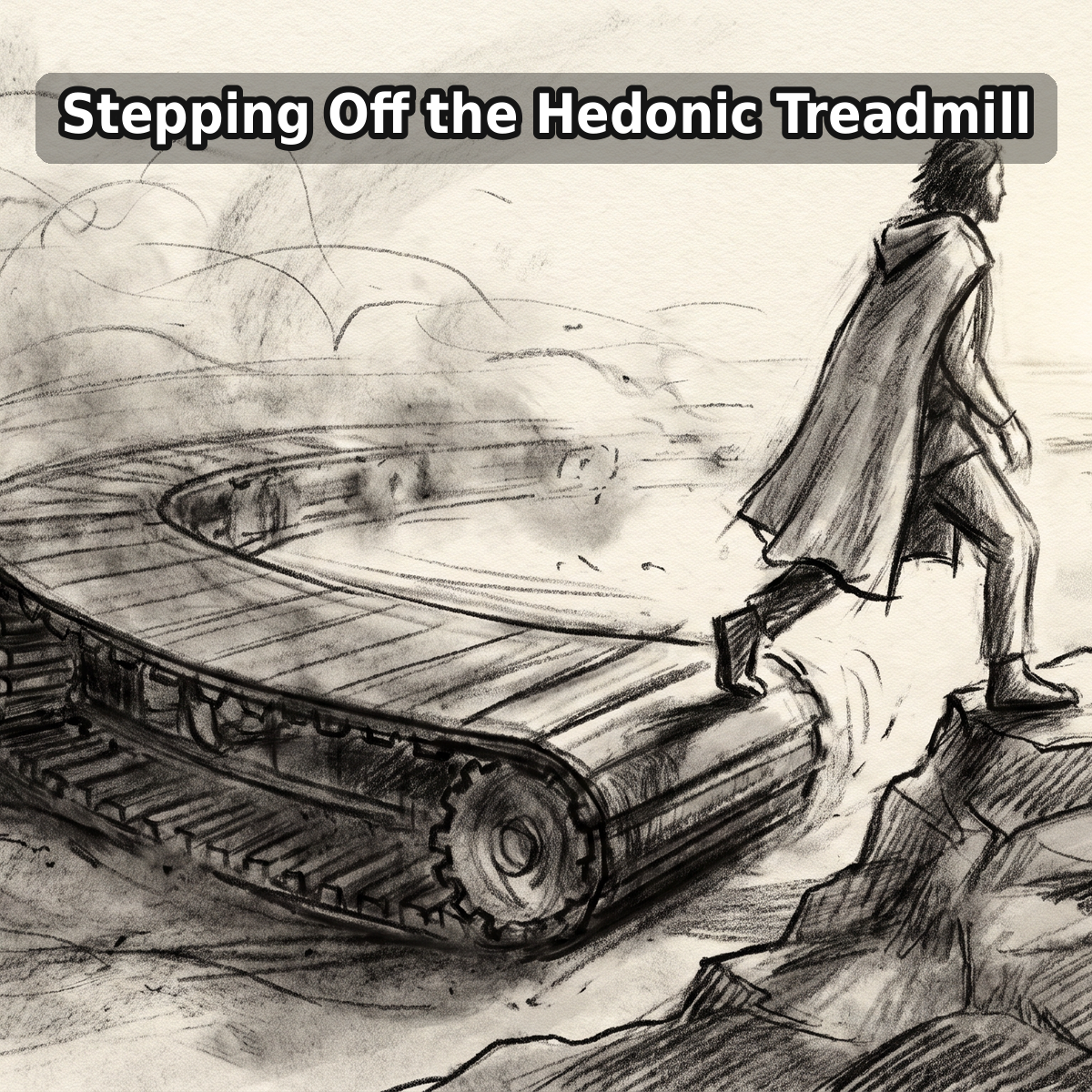
What I am experiencing, like many ambitious people, is known as the hedonic treadmill.
The Never-Ending Chase
The hedonic treadmill is our tendency to return to roughly the same baseline level of happiness after positive or negative changes in our lives.
Getting a promotion, buying a new house, receiving recognition, or earning more money can create a genuine burst of happiness. The problem is that the feeling rarely lasts. Over time, the improved situation becomes familiar. Our expectations rise, our attention turns elsewhere, and the emotional benefit begins to fade.
It is called a treadmill because we can keep moving, achieving, acquiring, and advancing without becoming much happier over the long term.
The pattern often sounds like this:
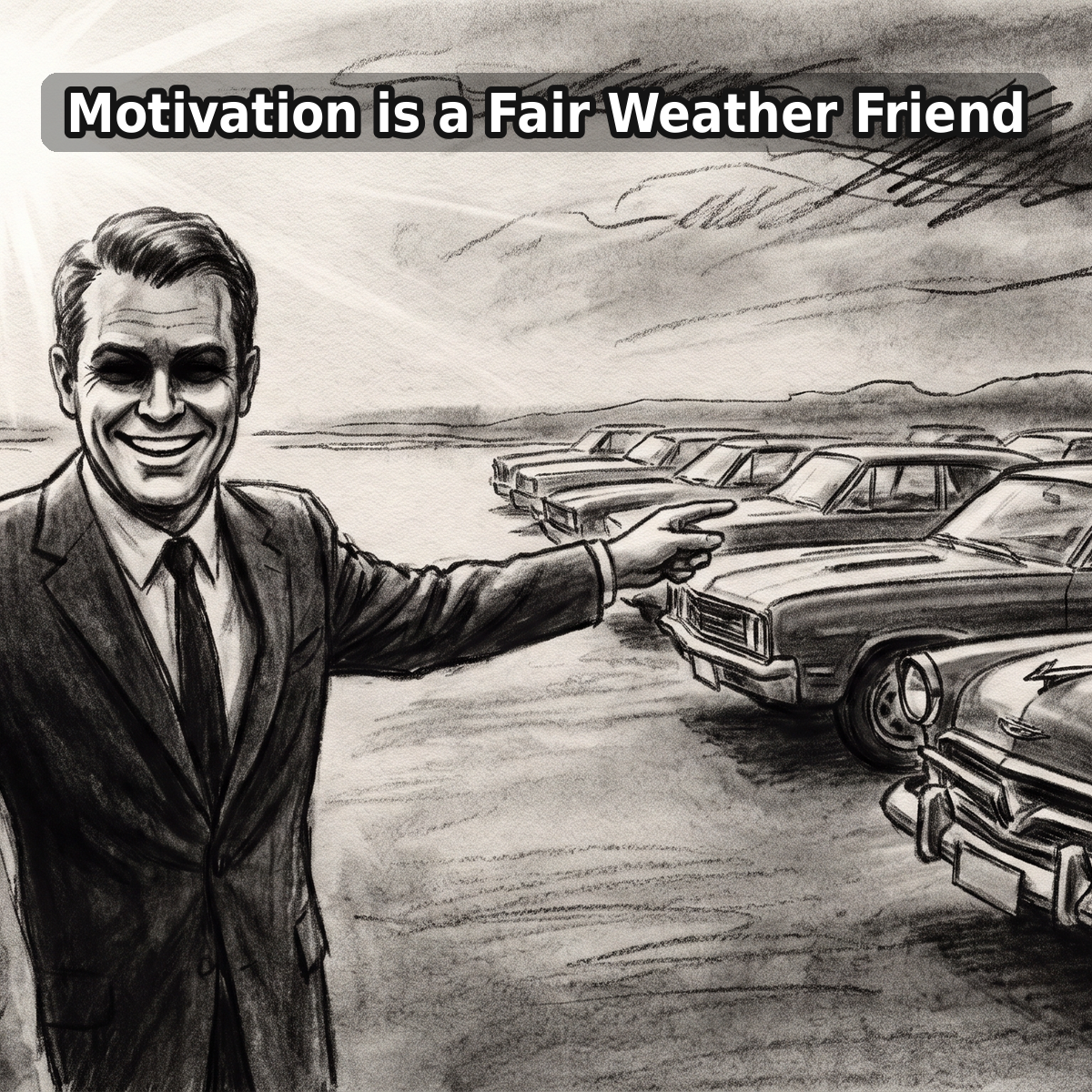
“I will be happy when I get the new job.”
Then you get the job, and for a while you feel wonderful. A few months later, the job feels normal. Soon, the thought becomes:
“I will be happy when I get promoted.”
Researchers studying hedonic adaptation have found that the happiness created by positive changes often diminishes for two reasons. The positive emotions produced by the change decline, and the person begins aspiring to something even better. Continued appreciation and variety may help slow that process, but without deliberate effort, adaptation usually takes over.
Interestingly, the same process can help us survive hardship. People also adapt to disappointments, losses, and difficult circumstances. The treadmill is not entirely our enemy. It prevents both pleasure and pain from remaining at their original intensity forever.
Wanting and Having
A popular explanation contrasts dopamine with serotonin. Dopamine is often associated with motivation, learning, anticipation, and reward-seeking. It helps create the energy to pursue something. Researchers sometimes distinguish this process of “wanting” from the actual experience of “liking” or enjoying a reward.
Serotonin is sometimes described as the chemical of contentment, but the science is more complicated than that. Serotonin participates in mood, decision-making, reward processing, patience, and many other functions, and researchers have not reached a single, simple theory explaining everything it does.
Still, the contrast provides a useful metaphor. Dopamine represents the chase. Contentment represents the ability to recognize that, at least for this moment, what we have is sufficient.
For the overly ambitious person, this can feel like a foreign concept. We may even confuse contentment with complacency. We fear that if we become satisfied, we will stop growing.
But contentment does not require the abandonment of ambition.
Psychologists often distinguish pleasure and excitement from calm satisfaction. Contentment is more likely to arise when our basic needs feel adequately met, when we experience less internal conflict, when we accept ourselves and our circumstances, and when comparison and striving temporarily loosen their grip.
Contentment is not saying, “Nothing should ever improve.”
It is saying, “I can appreciate my life while I am improving it.”
Learning to Be at Peace
There is evidence that well-being can be cultivated, although research also warns that many popular happiness practices have been studied less rigorously than commonly assumed. Gratitude, relationships, exercise, mindfulness, and time in nature may help, but they should not be treated as guaranteed formulas.
Perhaps the deeper practice is learning to notice when enough has arrived.
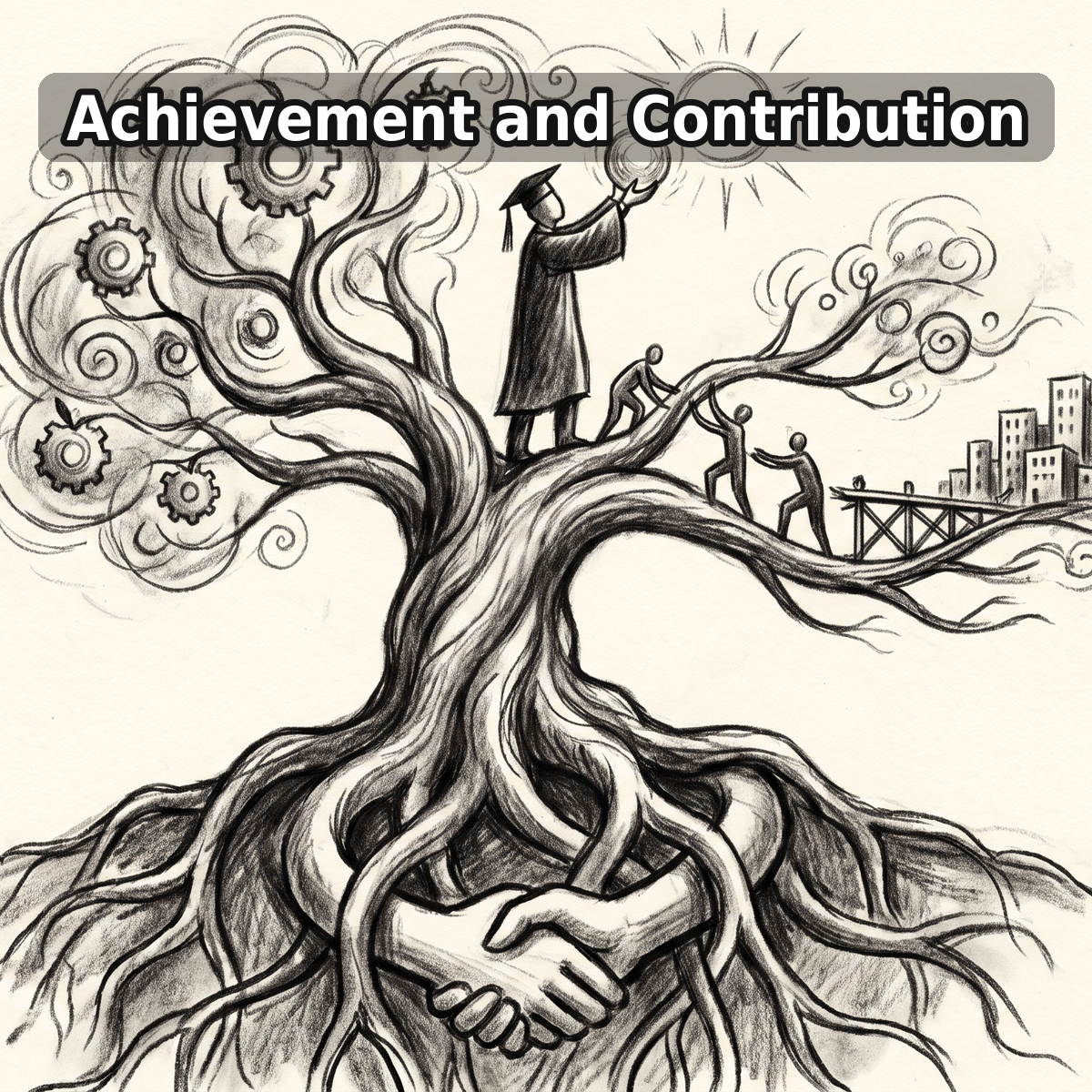
Ambition is necessary. It helps us create, contribute, overcome obstacles, and become more capable. We are wired to pursue rewards and make progress.
But we also need moments when the pursuit stops.
We need to enjoy the house before wanting a larger one. We need to appreciate the work before chasing the next title. We need to recognize the people sitting at the table before becoming consumed by what is still missing.
A thriving life requires both movement and stillness, ambition and acceptance, pursuit and peace.
There are times to run.
There are also times to step off the treadmill and realize that we have already arrived somewhere worth appreciating.