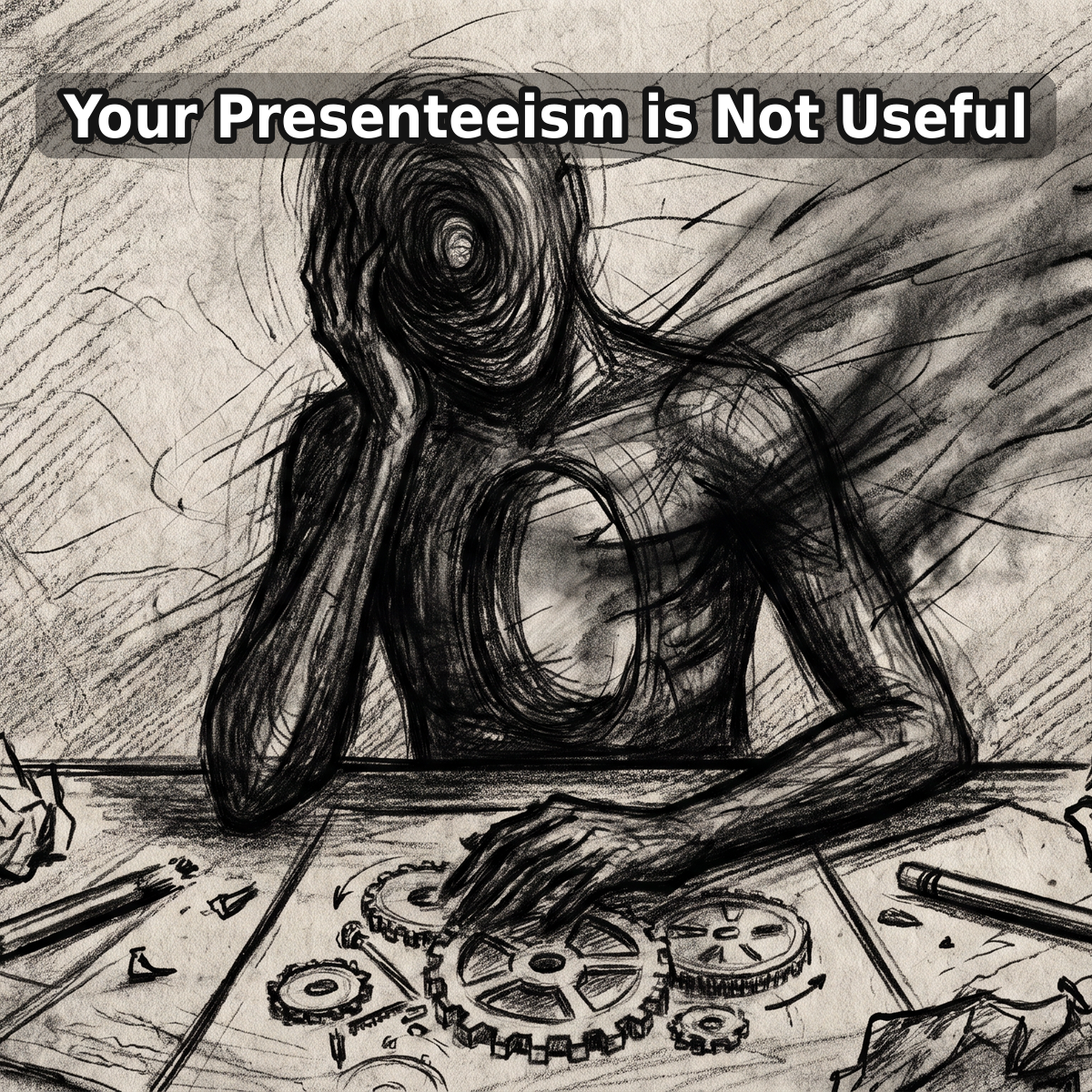
I often talk about commitment, showing up day after day for your goals. But let’s take a hard look at the sneaky little time thieves that can steal away that precious resource: productive time. In every day’s 24-hour cycle, we usually have just a small window where we hit peak productivity. Studies say it, and I’ve felt it firsthand—if you break an hour down, only about 20 minutes of that is spent truly getting things done. And if we’re not careful, that peak productivity can shrink down even further until it barely feels like it exists at all.
The Hidden Cost of Repetitive Tasks
Many of us have a habit of duplicating tasks, almost unconsciously. We check email multiple times an hour, clean the kitchen counters before we start cooking even if they’re already clean, or write and rewrite the same note on our to-do lists. These might seem harmless, but they stack up fast. Every small, repetitive task you take on in the name of “preparation” or “just in case” is another hit to the focus and mental energy you need for the real, impactful work. I realized this the hard way when I found myself preparing to write more than actually writing. All those “preparations” kept me from fully diving into the work that mattered.
Imagine if you could get all those repetitive tasks done just once a day or even once a week. That’s not just efficient; it’s a way of honoring the limited minutes you have to reach those 20 solid minutes of productivity in each hour. That single adjustment can lead to a massive boost in your available time and energy.
The Lure of Distraction
Now, let’s talk about distractions. They’re everywhere: social media pings, news alerts, unplanned coffee breaks, or even the lure of a “quick” conversation. Every one of these interruptions makes it harder to reach the focused zone where true productivity happens. And it’s tough because some distractions feel valid. We all want a little break from the intensity of focused work, right? But here’s the thing—if that five-minute distraction becomes twenty, you’ve likely lost the whole rhythm for that hour. Productivity isn’t just about doing tasks; it’s about keeping that momentum alive, staying in that zone as long as possible.
Realistic Expectations of Productive Time
The myth of the eight-hour productive day can set you up for disappointment if you buy into it too hard. Realistically, very few of us can sustain peak productivity all day long. That’s why I argue we should focus on optimizing those short, high-quality work periods instead of aiming for an entire day of consistent productivity. If I know I have only a small window to reach those peak 20 minutes each hour, I’m more intentional about blocking out any unnecessary noise.
And here’s where it gets real. If you waste an entire hour or even a couple on these distractions, what you’re really losing is not just time, but opportunities to even reach peak productivity. By the time you get back to focus, you might already feel mentally drained, no longer operating at your best. Imagine taking three hours to reach your 20 minutes of peak productivity—that’s a brutal trade-off, right?
Maximizing Your Productive Time
It’s about awareness and preparation. Start by listing out the tasks that matter most to you in your day, the ones that truly move the needle. Identify which repetitive actions you can either streamline or eliminate altogether. And when distractions come calling (because they will), take a beat to evaluate if they’re worth sacrificing your precious productive time. Sometimes, we have to get downright stubborn about what we allow into our day if we want it to yield the best results.
If you’re committed to honoring your time, give your energy only to tasks and actions that genuinely require it. It’s a discipline that may take time to master, but each step counts toward a day that’s more aligned with your true goals. And that, after all, is what real commitment looks like.