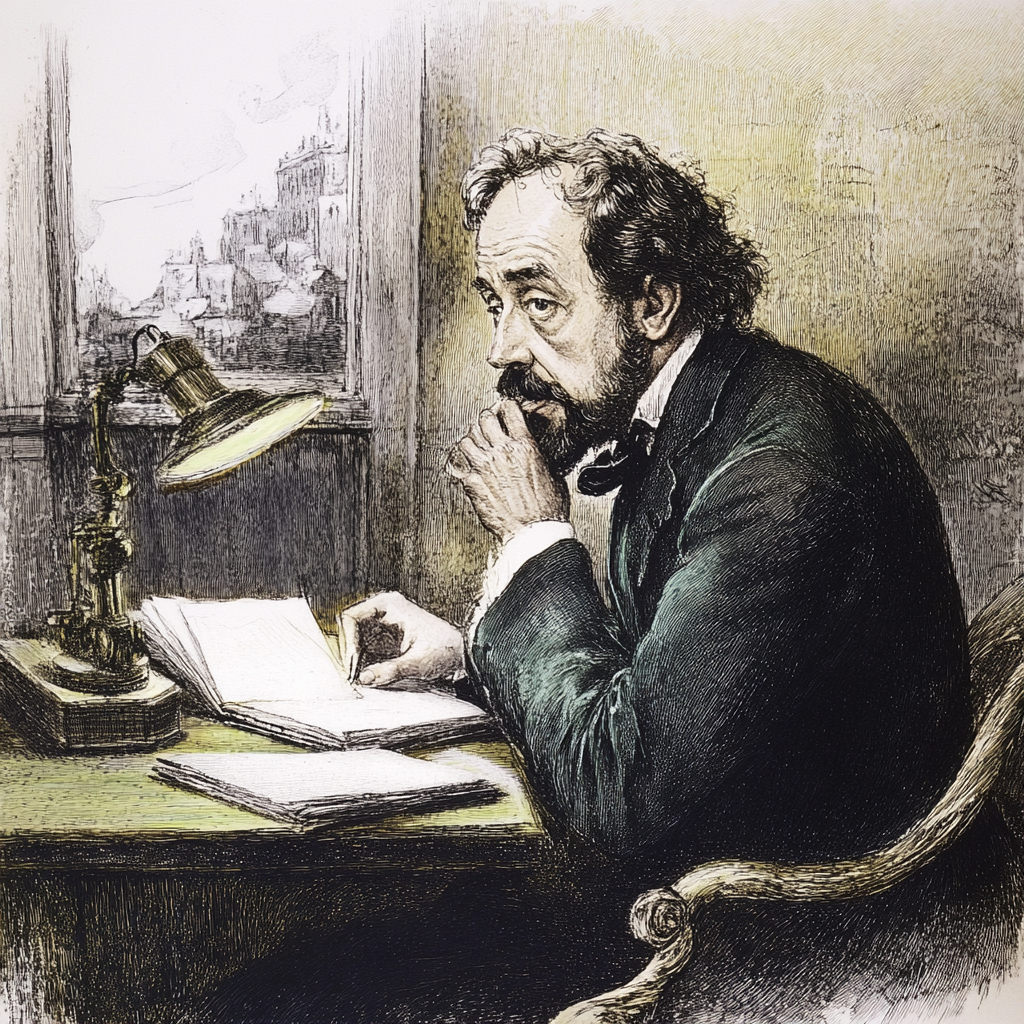
Today was one of those quiet, unhurried days spent with family, where the hours seem to melt together. A movie played softly in the background, one I had seen before, so I only half-paid attention to its plot. Familiar scenes unfolded, and as I tuned in and out, something struck me. The story was unmistakably rooted in a narrative I’d seen many times before. Then it hit me: we owe this recurring storyline to one of the greatest storytellers of all time—Charles Dickens.
Dickens is, of course, most widely known for A Christmas Carol. It’s a story so deeply ingrained in our cultural fabric that it has spawned countless adaptations—at least ten films directly retelling the tale, not to mention spin-offs and homages. But his influence doesn’t stop there. Works like Oliver Twist, Great Expectations, and David Copperfield stand as monuments to his literary genius, shaping not just the stories we tell, but how we think about human nature, resilience, and transformation.
It’s remarkable, really, to think that more than 150 years after his death, Dickens’ novels still resonate so profoundly. They endure not just because they’re beautifully written, but because they offer a mirror to our collective soul.
What makes Dickens extraordinary isn’t just his storytelling, but the life behind it. He didn’t write from a place of detached observation; he wrote from lived experience. As a young boy, Dickens watched his family fall into financial ruin, his father incarcerated in a debtor’s prison, forcing him to take up work in a factory at the tender age of 12. These hardships weren’t just formative—they became the foundation of his moral and literary vision.
And what a vision it was. Dickens had a gift for exposing society’s injustices: the exploitation of children, the devastating effects of poverty, and the stark inequities of education and opportunity. Yet, as critical as his works could be of the failings of humanity, they were never devoid of hope. At the heart of every Dickens novel lies the belief that people are capable of change. His characters are often redeemed by love, compassion, and a newfound sense of responsibility to one another.
This hope isn’t naive; it’s earned. Dickens understood suffering intimately, and through that lens, he saw the extraordinary strength of the human spirit. His works call us to something higher—a vision of community and care, of lifting others as we rise.
Today, inspired by this realization, I found myself drawn back to his writings. As I flipped through the pages of his stories, I was reminded of something profound: Dickens captured the true spirit of Christmas, not in a festive sense, but in a deeply transformative one. It’s a spirit that challenges us to examine ourselves, to open our eyes to the struggles of others, and to believe in the power of renewal.
Perhaps that’s why his works endure. In Dickens’ world, there’s always the possibility of redemption, always a reason to hope—and that’s a message we can never hear too often.