The old rules are dying. Not slowly. Not gradually. Fast. We are living through a shift as fundamental as the one that hit the textile industry when steam engines arrived. What worked yesterday does not work today. What seemed impossible last week is now the baseline.
For years, agile development methodologies solved the right problem. We had bottlenecks everywhere. Communication broke down. Requirements changed mid-flight. Teams struggled to coordinate. Agile gave us a framework to navigate that chaos. It worked because it addressed the constraints we faced.
But those constraints are gone. The bottleneck is no longer coordination, clarity, or even capability. The bottleneck is speed. And most of us are still moving as the old rules apply.
With AI, we can move faster than we ever thought possible. The tools exist. The capacity is there. But we are not using it the way we should. We are still thinking in terms of 30-day release cycles. We are still planning sprints as we did five years ago. We are still treating speed as a nice-to-have instead of the only thing that matters.
The reality is that 30-minute release cycles are not some distant future. They are possible now. The technology supports it. The infrastructure can handle it. The only thing holding us back is the way we think about the work.
This is not about working harder. It is not about cutting corners or sacrificing quality. It is about recognizing that the game has changed. The teams that win will be the ones that move fast. Not just faster than they did before. Fast enough to match what is now possible.
Volume matters now in a way it did not before. We need to increase output by 100 times. That sounds absurd until you realize that the tools to do it already exist. The question is whether we are willing to let go of the old frameworks and build new ones that match the reality we are living in.
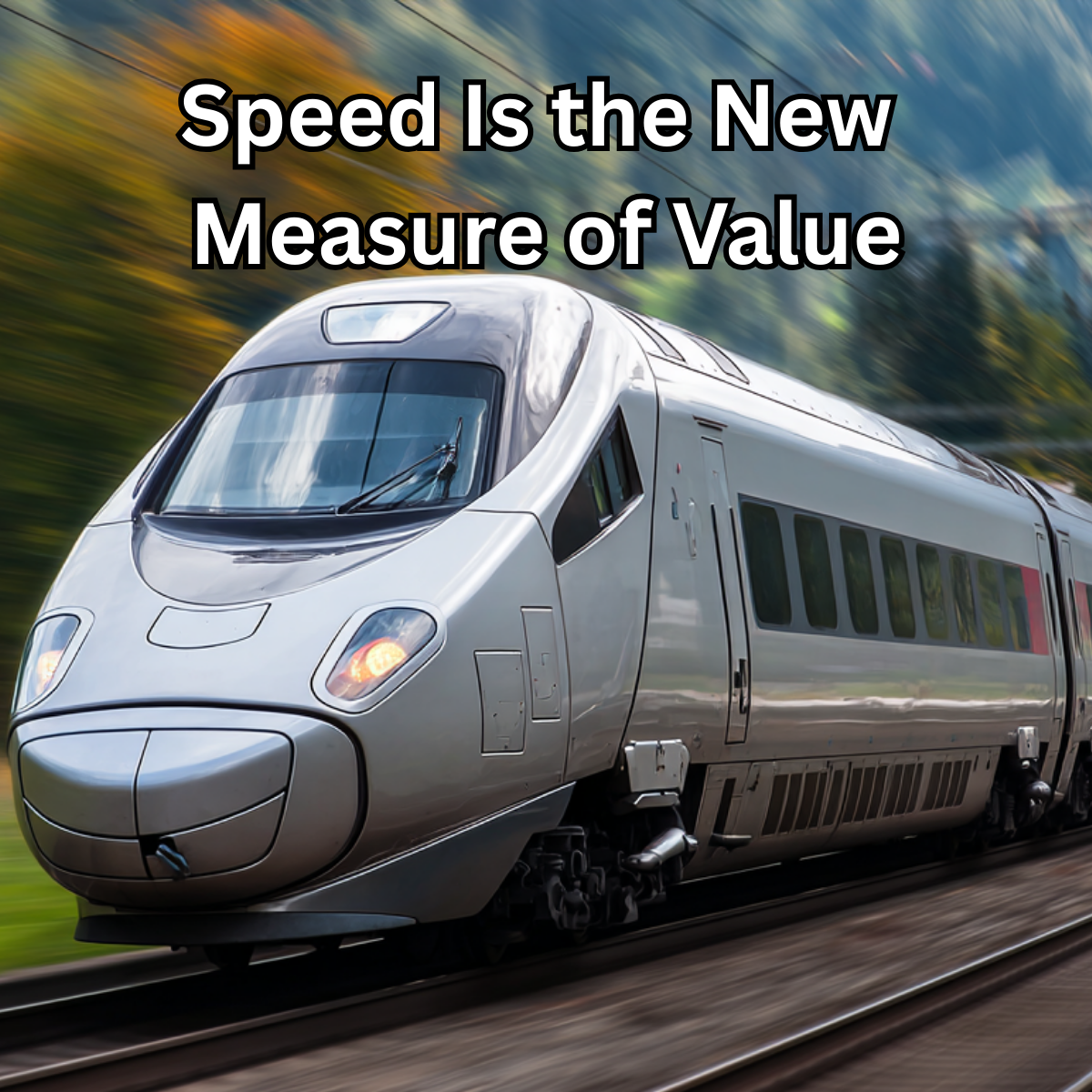
Speed is the new measure of value. Not speed for its own sake. Speed because it is the only way to keep up with what is now possible. Speed because the world is moving that fast, whether we are ready or not. Speed is important because the teams that figure this out first will leave everyone else behind.
“Speed is the new measure of value.”
So if you are still planning in 30-day cycles, stop. If you are still treating agile as the final answer, reconsider. The rules that got us here will not get us where we need to go. The bottleneck has shifted. The only question is whether you will shift with it.