I know that feeling. I’ve carried it for years. That restless pull that says I want it all, and I want it all now. It’s not greed. It’s ambition mixed with hunger, vision tangled up with urgency. And if I’m honest, that mindset has served me. You don’t build companies, write frameworks, or chase big opportunities by thinking small or moving slowly.
But there’s a tension I keep running into.
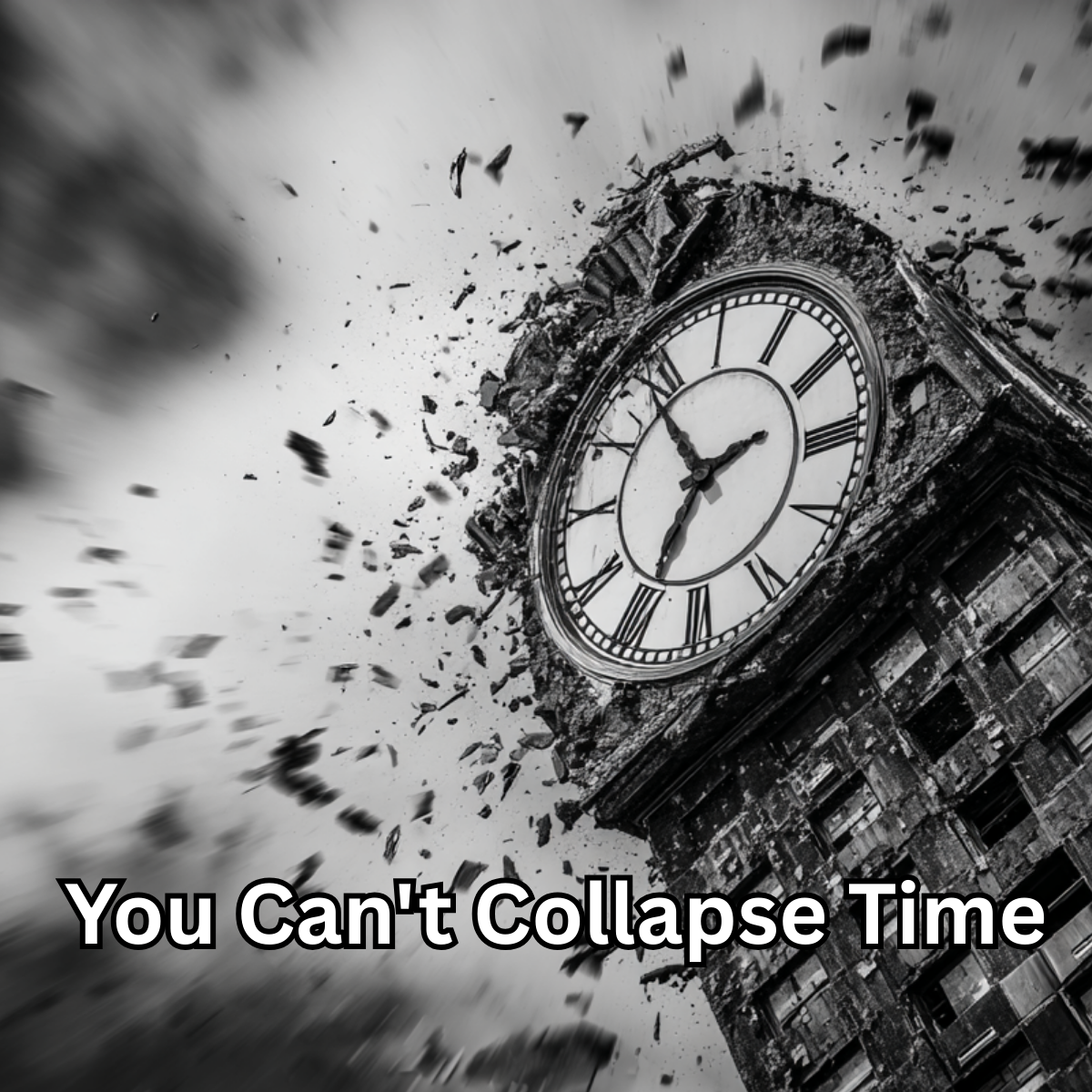
When I want it all, and I want it now, I’m trying to collapse time. I’m trying to skip the middle part, the part where the work actually happens. I want the harvest without the planting season. I want the team without the training. I want the result without the repetition.
And time doesn’t collapse.
I’ve tried. I’ve pushed harder, worked longer, stacked more projects on top of each other. I’ve convinced myself that intensity could replace duration. But it can’t. Some things just take the time they take. A tree doesn’t grow faster because you’re impatient. A person doesn’t learn faster because you need them ready tomorrow. A business doesn’t mature because you decided this quarter is the one.
So what do I do with that fire?
I keep it. But I trade urgency for disciplined execution.
I stop demanding a harvest and start planting. I water what I’ve planted. I train the people I’ve hired. I build the systems I know I’ll need six months from now. I show up today for the result I won’t see until later. That’s the shift. Not less ambition. Not a smaller vision. Just a different relationship with time.
I still want it all. But now I’m willing to build it.
That means I stop measuring progress by how much I can force into this week. I start measuring it by whether I did the thing today that compounds into something larger tomorrow. Did I write the next piece? Did I have the hard conversation? Did I fix the small thing that will break later if I ignore it now? Those are the questions that matter when you’re building instead of demanding.
“You don’t get it all at once. You build it.”
One day, I’ll look up and realize I didn’t collapse time. I just used it well. I didn’t get everything in one moment. I built something that lasts. The fire is still there. The hunger is still real. But now it’s focused on the work in front of me, not the fantasy of skipping ahead.
So today, I’m planting. I’m watering. I’m training. I’m building. And I’m trusting that the person who keeps showing up will eventually have something worth showing.
The next step is simple. Do the one thing today that your future self will thank you for. Not the flashy thing. Not the urgent thing. The thing that builds.