I sat at a wedding reception in Florida last weekend, watching a man slouched over his phone, head in hands, playing Candy Crush while the celebration moved around him. I did not know him. I did not know his story. But I noticed him because something about his posture, his one-word answers, his cynical tone felt heavy. I found myself building a narrative about who he was and why he was there. Later, I asked the groom about a few people I had been quietly profiling. I was completely wrong in both cases. My detective work was terrible. But the exercise taught me something I had not expected.
We do not just see people. We interpret them. And the way we interpret them often says more about us than it does about them.
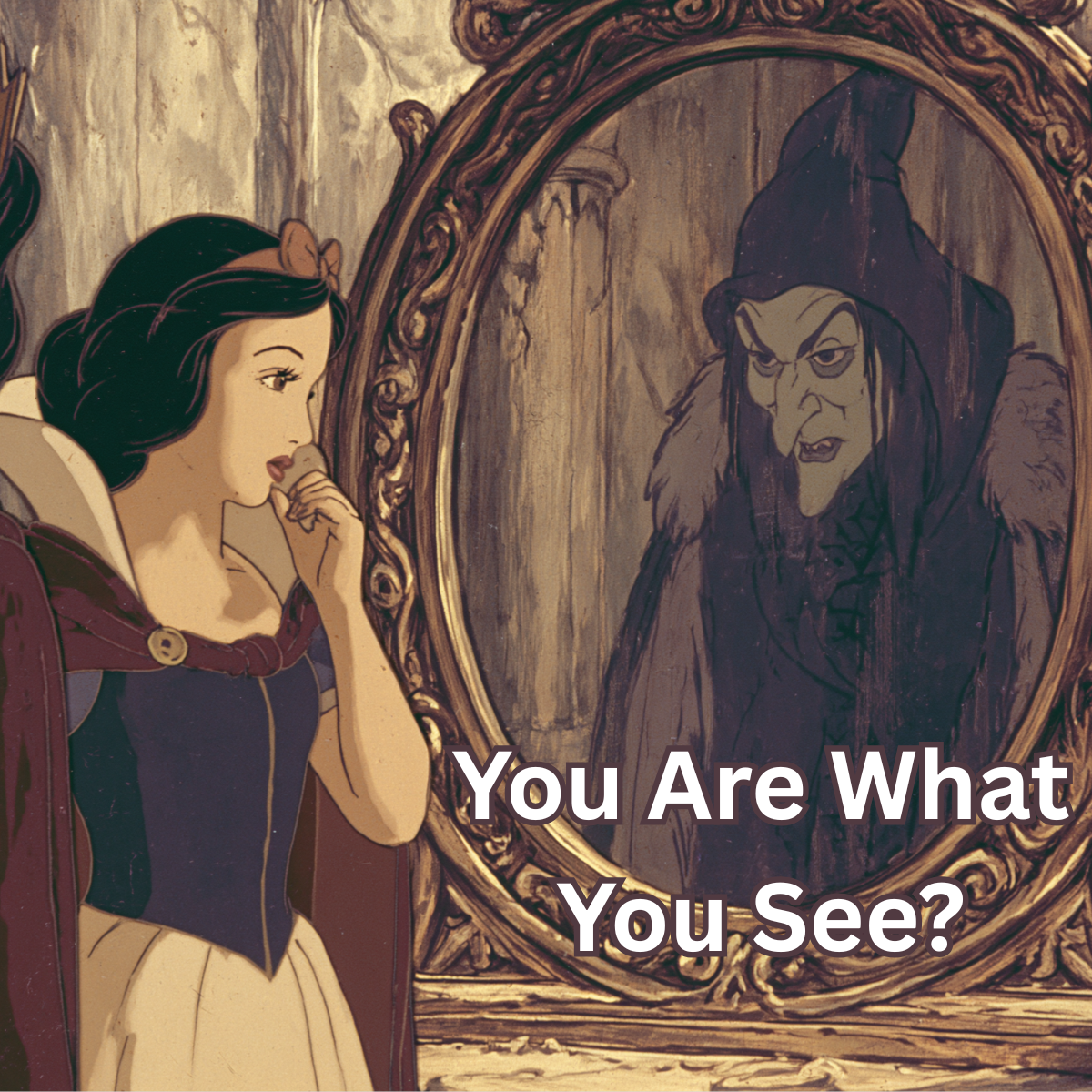
There is a concept in psychology called projection. It is the tendency to attribute our own traits, feelings, or impulses to someone else. The dishonest person suspects everyone of lying. The manipulative person assumes everyone has an angle. The person hiding something becomes hyper-alert to others hiding things. This is not always conscious. It is a defense mechanism. It is the mind protecting itself by externalizing what it does not want to face internally.
I thought about this as I watched that man at the wedding. I had no idea what he was carrying. Maybe he was grieving. Maybe he was exhausted. Maybe he just did not want to be there. But I had already decided he was grumpy, cynical, disengaged. I had assigned him a story based on what I saw, and what I saw was filtered through my own lens. My own assumptions. My own experience with people who look like that.
This is not unique to me. We all do it. We see someone and we fill in the gaps. We notice the frown, the crossed arms, the short reply, and we build a case. But the case we build is often built from our own material. Our own fears. Our own wounds. Our own habits of mind. The Stoics understood this. They did not say you are what you see, but they did say your judgments reveal your mind. The issue is not just what happens outside you. It is the judgment you attach to it.
This does not mean suspicion is always projection. Sometimes it is discernment. Sometimes it is pattern recognition. Someone who has been betrayed may suspect betrayal not because they are betraying others, but because they have been hurt. Experience teaches us to notice certain signals. Trauma makes us alert to certain dangers. That is not projection. That is survival.
“When I am quick to see a fault in others, I should ask whether I am seeing reality clearly, projecting something from myself, or reacting from an old wound.”
The mature version of this insight is not that if you suspect evil, you are evil. It is that when you are quick to see a fault in someone else, you should pause and ask where that quickness comes from. Are you seeing reality clearly? Are you projecting something from yourself? Are you reacting from an old wound? The answer matters because it changes what you do next. If you are seeing clearly, you can respond with wisdom. If you are projecting, you can pull back and examine yourself. If you are reacting from a wound, you can acknowledge the pain and choose not to let it control your perception.
I left that wedding with no answers about the man at the table. But I left with a question about myself. What am I quick to see in others? What do I assume before I know? What does that reveal about what I carry? Those are not comfortable questions. But they are honest ones. And honesty is where clarity begins.
The next time you notice yourself building a story about someone, stop. Ask yourself where the story is coming from. Ask whether you are seeing them or seeing yourself. Then decide what to do with that information. That small pause is enough to turn judgment into understanding. And understanding is what we need more of.