How do you feel relaxed? This question has been with me for most of my life. I am not good at relaxing; I am one of those people who are always busy, always looking for the next thing I could be doing. A combination of being too uptight and overly ambitious, perhaps. So when my brain gets frazzled and I start slowing down mentally, I have come to recognize that I need to relax. However, what has always tripped me up has been: what actually is relaxing?
- Clearly, it is not browsing social media on your phone.
- Neither is it streaming some overly dramatic series on Netflix.
- It is not playing a video game that has disguised a dopamine drip as a series of tasks I have to achieve.
- It is absolutely not using some drug or alcohol to force myself into a relaxed state.
So what is it?
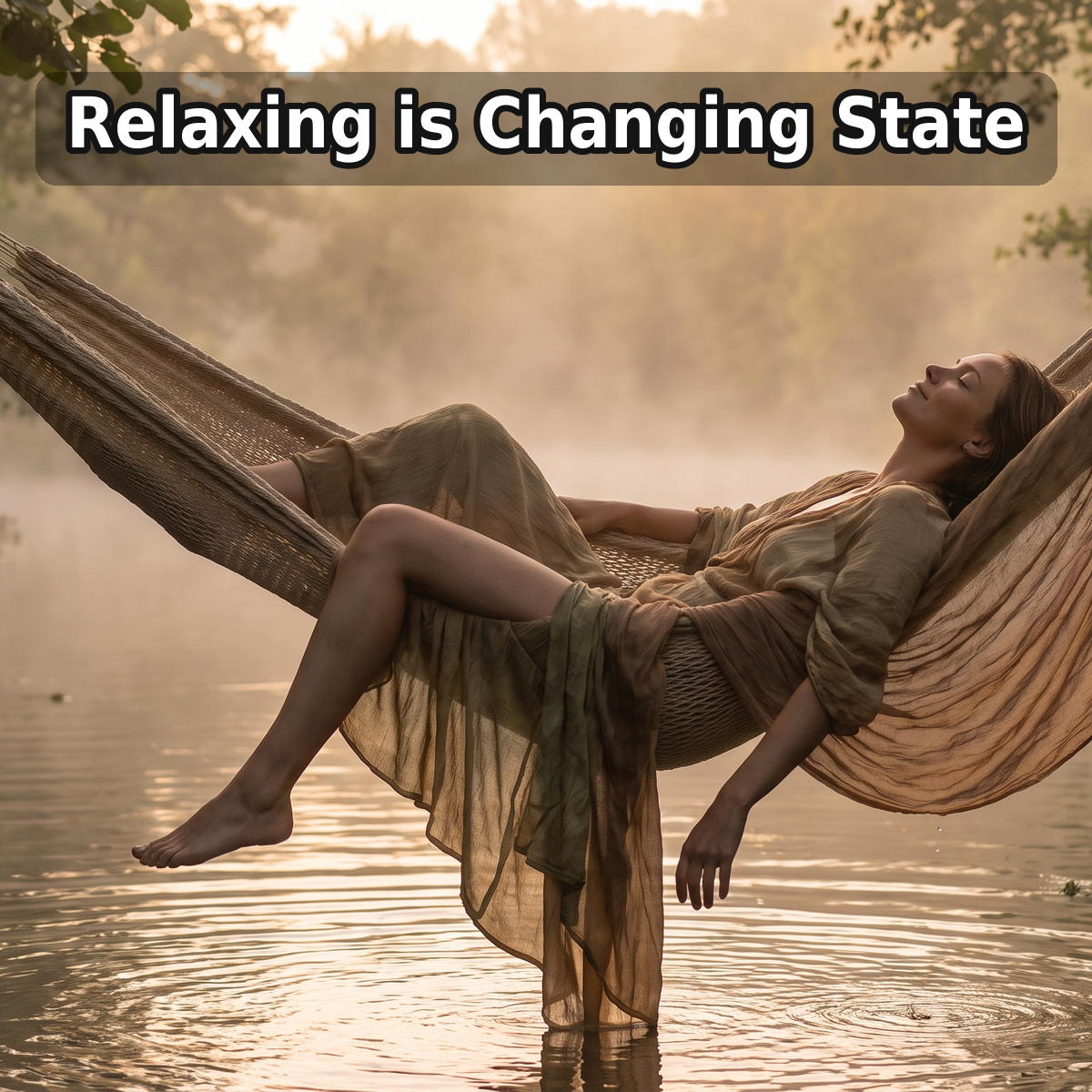
Relaxing the mind is less about “trying harder to relax” and more about changing the state your brain is operating in. When you’ve been thinking hard for a long time, three things often accumulate: attentional fatigue, unresolved mental loops, and physiological stress. A good reset interrupts all three.
The first thing to learn is that you have to stop consuming information. No more emails. No more text messages. No more podcasts. Audiobooks. Educational content. Your brain needs a break from new things arriving, not more of it to process.
The next big concept is to recognize that relaxing the mind is the opposite of your inclination. You think the brain will be better served by plopping down on the couch and vegging out. Reality is that the best path to getting your brain to turn down is physical activity, usually outside. You do not need a complicated workout either; you just need to move and do so with a rhythm. Like a walk or a light jog.
While you are on that walk, consider this. Your brain is getting bombarded with finite detail that is up close and highly specific. Like words on a screen. When you are outside, direct your attention to things that are relatively effortless to absorb. Trees, mountain ranges, the big sky, the ocean or a lake. You are moving from narrow to broad, far-away focus areas.
Try not to take things with you on your outdoor exploration. Instead, write all the things down that are bugging you before you leave. Do that with your hand. Physically write it down. The act of doing this will transfer those worries to a physical place, and that produces a transference in your mind, which allows you to create a signal that it is ok to clear the working memory in your mind.
The important note is this. Sometimes the weekend does not help you relax because you are cognitively saturated. You’ve been making decisions, solving problems, switching contexts, and holding too many unresolved things in your head for weeks. In that case, you may need a day or two where you deliberately refuse to be productive.
The paradox is that the mind often becomes productive again after you stop demanding productivity from it.