Day 359 – Opinionated or Good Judgement?

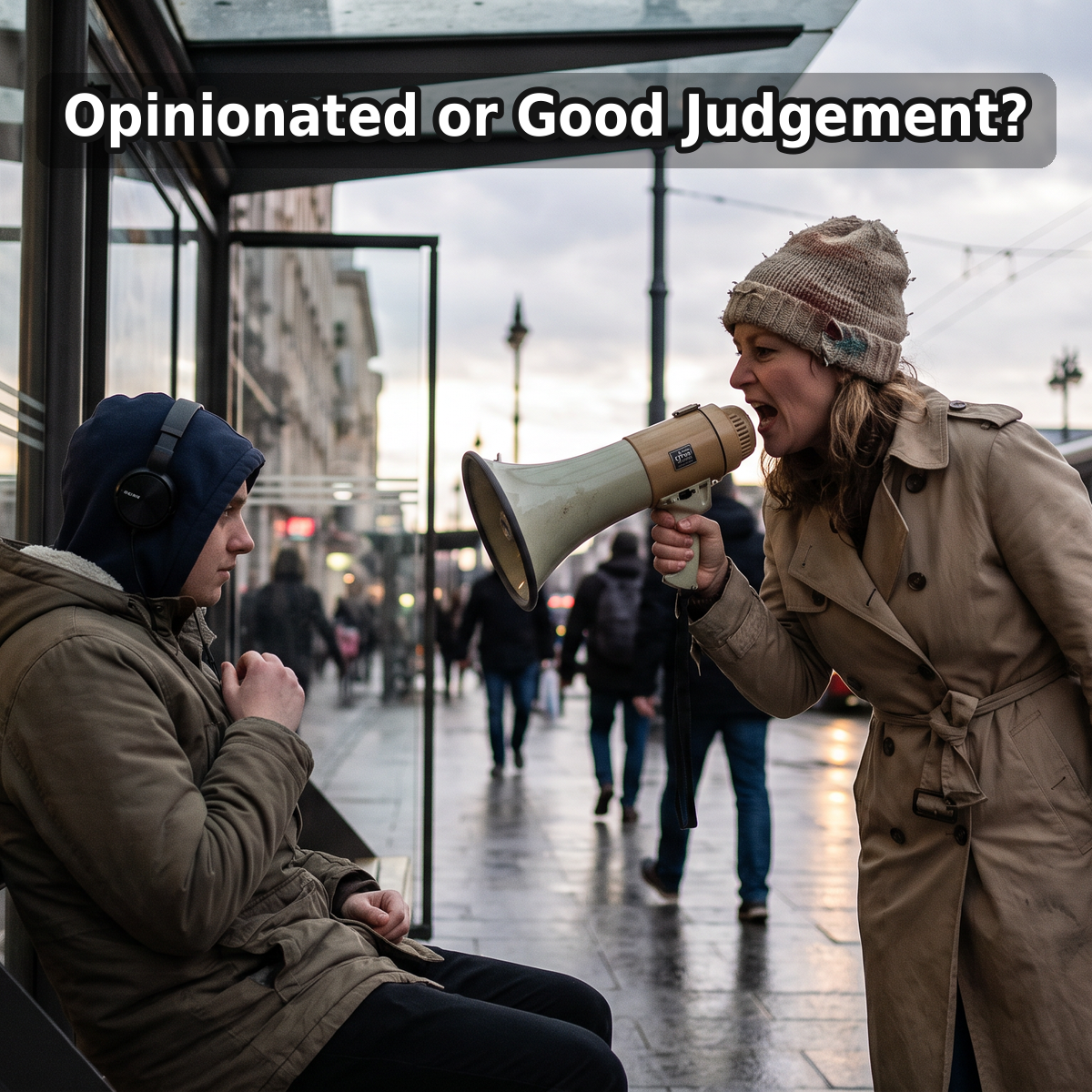
The distinction between having an opinion and being opinionated lies in how strongly and frequently one expresses their views, and their openness to others' perspectives. While strong opinions can be admired when backed by expertise, constant and forceful expression across various topics can be perceived as arrogance or exhausting. The key to being seen as having good judgment rather than being opinionated is to deliver opinions appropriately and remain open to new evidence.

Having an opinion is a cognitive trait we usually admire, especially when it’s grounded in evidence. However, being opinionated is different. This usually refers to people who hold opinions strongly and frequently and tend to push them on others. So when do we cross this line? What social dynamics are at play?

Conversation depends on a kind of reciprocity. A back-and-forth, and we tend to like the game evenly matched. We expect people to say what they think, but also to remain open to what others think. An opinionated person is perceived as having moved from:

“Here is what I think.”

to

“Here is how things are.”

Strong opinions can signal certainty beyond evidence. We tend to admire conviction when someone has earned it through expertise or careful thought. But when someone seems equally certain about everything, certainty starts looking like arrogance. The problem isn’t the strength of your belief; it’s your unwillingness to update it.

Another reason people put you in the opinionated camp is that you express your opinions frequently. Someone who has a forceful position on politics, restaurants, parenting, software, movies, how you load the dishwasher, and the correct route to the airport can become exhausting. Their opinions begin consuming conversational space.

The lesson is that a strong, well-informed opinion doesn’t have to be received negatively by others. The point is that you need to deliver this appropriately. “Opinionated” tends to be used when the observer thinks the expression of the opinion has exceeded what the situation calls for.

Know what you think. Explain why. Act on it when necessary. But remain genuinely interested in evidence that might change your mind. That combination tends to be perceived not as opinionated, but as good judgment.


Subscribe
Notify of
guest
0 Comments
Inline Feedbacks
View all comments
Share the Post:

Recent Blogs

Day 359 – Opinionated or Good Judgement?

The distinction between having an opinion and being opinionated lies in how strongly and frequently one expresses their views, and their openness to others’ perspectives. While strong opinions can be admired when backed by expertise, constant and forceful expression across various topics can be perceived as arrogance or exhausting. The key to being seen as having good judgment rather than being opinionated is to deliver opinions appropriately and remain open to new evidence.

Read More

Day 358 – We Remember Legend

This article explores the concept of legend versus history, arguing that legends are what people choose to remember and retell over generations. Using the story of Noah’s Ark as an example, it discusses how historical events can become exaggerated and imbued with cultural meaning, posing the question of what makes a legend meaningful enough to endure. The author also reflects on personal and family legends, and contemplates what actions in their own life might become legendary for future generations.

Read More

Day 357 – Curiosity is Cheap

This article explores the challenges introverts face with draining conversations and offers a solution: embracing curiosity. By shifting from feeling the need to “perform” in conversations to simply being curious and asking questions, the perceived energy cost of interactions can be significantly reduced, fostering better relationships.

Read More

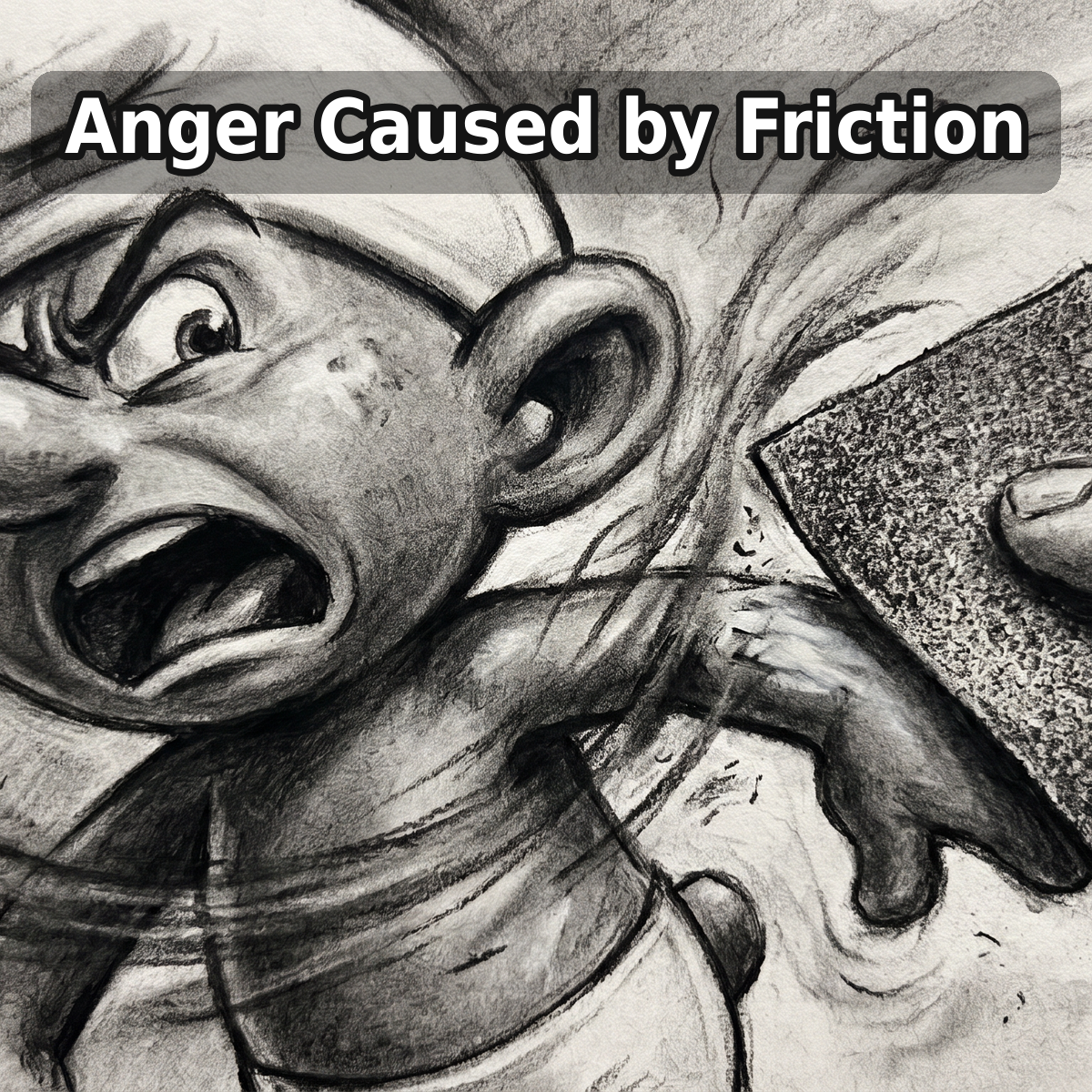
Day 356 – Anger Caused by Friction

The author explores the emotion of aggravation, defining it as a low form of anger caused by friction. They propose an escalation pattern for anger, starting from friction and leading to full-blown anger. The core idea is that aggravation arises when one repeatedly spends attention on something they believe doesn’t deserve it.

Read More
0
Would love your thoughts, please comment.x
()
x