I have been an impostor my entire life. I suppose that is a rather strange thing to admit, but it is true. I have spent a considerable amount of my life pretending that I knew how to do things when, in fact, I had absolutely no idea what I was doing.
I developed this particular skill when I was young. I wanted to participate in conversations with adults, and I discovered that if I acted like I knew what they were talking about, they would include me. I learned to nod at the appropriate moments, ask intelligent-sounding questions, and confidently contribute to conversations about subjects I barely understood. It worked remarkably well, perhaps too well.
The problem with developing a successful survival tactic as a child is that you tend to carry it into adulthood, even when it is no longer necessary. Somewhere along the way, pretending to know became more comfortable than admitting that I did not. I became rather good at figuring things out on my own, often because I had convinced everyone around me that I already knew how.
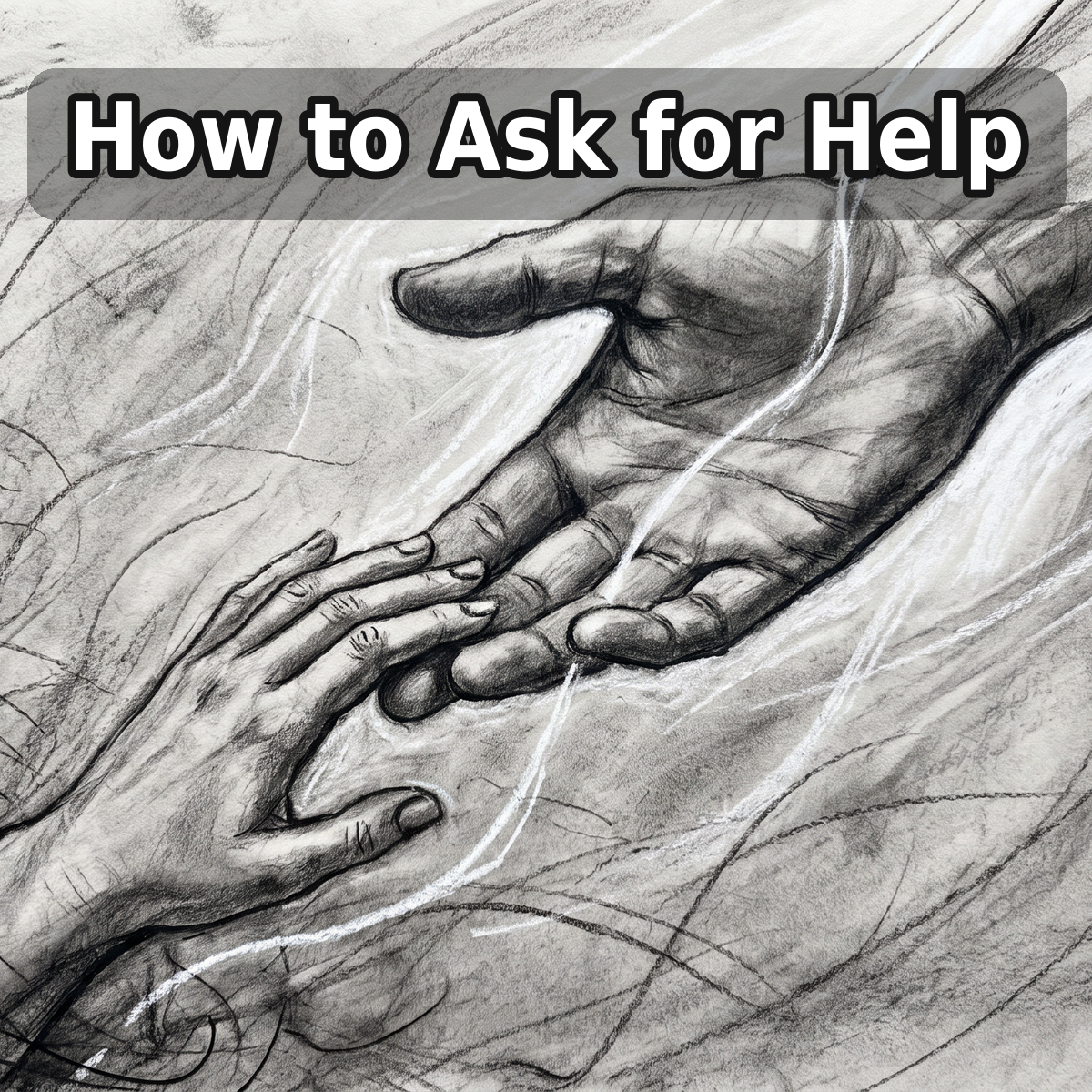
For the last two decades, I have been trying to cure myself of this habit. It has proven surprisingly difficult. I have had to learn something that probably seems obvious to most people. Asking for help is not an admission of failure. It is an acknowledgment that another human being might know something that I do not.
So how do you actually ask for help?
I think the first step is to get comfortable saying three simple words. “I don’t know.” That sounds easy enough, but for someone who has spent a lifetime avoiding those words, they can be extraordinarily difficult to pronounce. I have discovered that the world does not come crashing down when I say them. In fact, quite the opposite happens. People become more willing to engage with me.
The second step is to be specific about what you need. I have learned that saying “I need help” is a good start, but explaining what I am trying to accomplish, what I have already attempted, and where I am stuck is much more effective. People generally want to help, but they need something concrete to work with.
The third step, and perhaps the hardest for me, is to actually accept the help. There is a peculiar tendency among people like me to ask for assistance and then spend the entire conversation demonstrating how much we already know. We interrupt, explain, justify, and sometimes even argue with the person trying to help us. I have caught myself doing this more times than I care to admit.
I am learning to listen instead. To allow someone else to know more than I do. To appreciate their experience without feeling compelled to prove my own.
There is one more thing I have discovered. Asking someone for help is often a gift to them as well. It communicates trust, respect, and an acknowledgment that they have something valuable to contribute. What I spent years perceiving as a weakness can actually strengthen relationships.
I still struggle with this. I suspect I always will. That little boy who desperately wanted to be included in the grown-up conversations is still somewhere inside me, confidently nodding along when he has no idea what anyone is talking about.
Perhaps the next time I catch him doing that, I will interrupt him with a simple question.
“Could you help me understand?”
That might be the most important thing I can learn to say.