Day 57 – Habits of Mind

81 pushups today.  30 pullups tomorrow.   Not very impressive when compared to many other people. That’s the problem with comparing yourself to other people, it’s depressing.  It seems to lead to a number of bad outcomes, it can breed resentment, or jealousy, or self-loathing.  Not good.  On the other end, it can lead to arrogance, or guilt, or complacence, or sycophantic worship, or pedestal placing. None of these are good either.  So there seems to be many pitfalls associated  with this habit of mind..

But, fortunately, I have learned two rules that when combined provide a great alternative:  1) The key to real progress is incremental improvement, and 2) do not compare myself to other people, but to who I was yesterday.  By this calculus, my current level of performance begins to look pretty good, I can derive a pretty good feeling. Following these two rules can become a habit of mind, just as comparing myself to others. Habits of mind define experience.

How we choose to view things makes all the difference.  What otherwise would depress me, or lead me to fall into the pit, can just as easily sustain me or provide motivation and gratification.  Weird.  Life really is a mind game sometimes.

Pursue incremental improvement and compare yourself only to who you were yesterday.  Following these two simple rules and enjoy the positive outcomes.  They lead you to actual practical repeatable respectable improvement and growth.  They lead to self-discipline, self-respect. All good stuff!   All things we want more of.

Ben Wagner (63)

Member 365 Commitment

Subscribe
Notify of
guest
0 Comments
Inline Feedbacks
View all comments
Share the Post:

Recent Blogs

Day 357 – Curiosity is Cheap

This article explores the challenges introverts face with draining conversations and offers a solution: embracing curiosity. By shifting from feeling the need to “perform” in conversations to simply being curious and asking questions, the perceived energy cost of interactions can be significantly reduced, fostering better relationships.

Read More

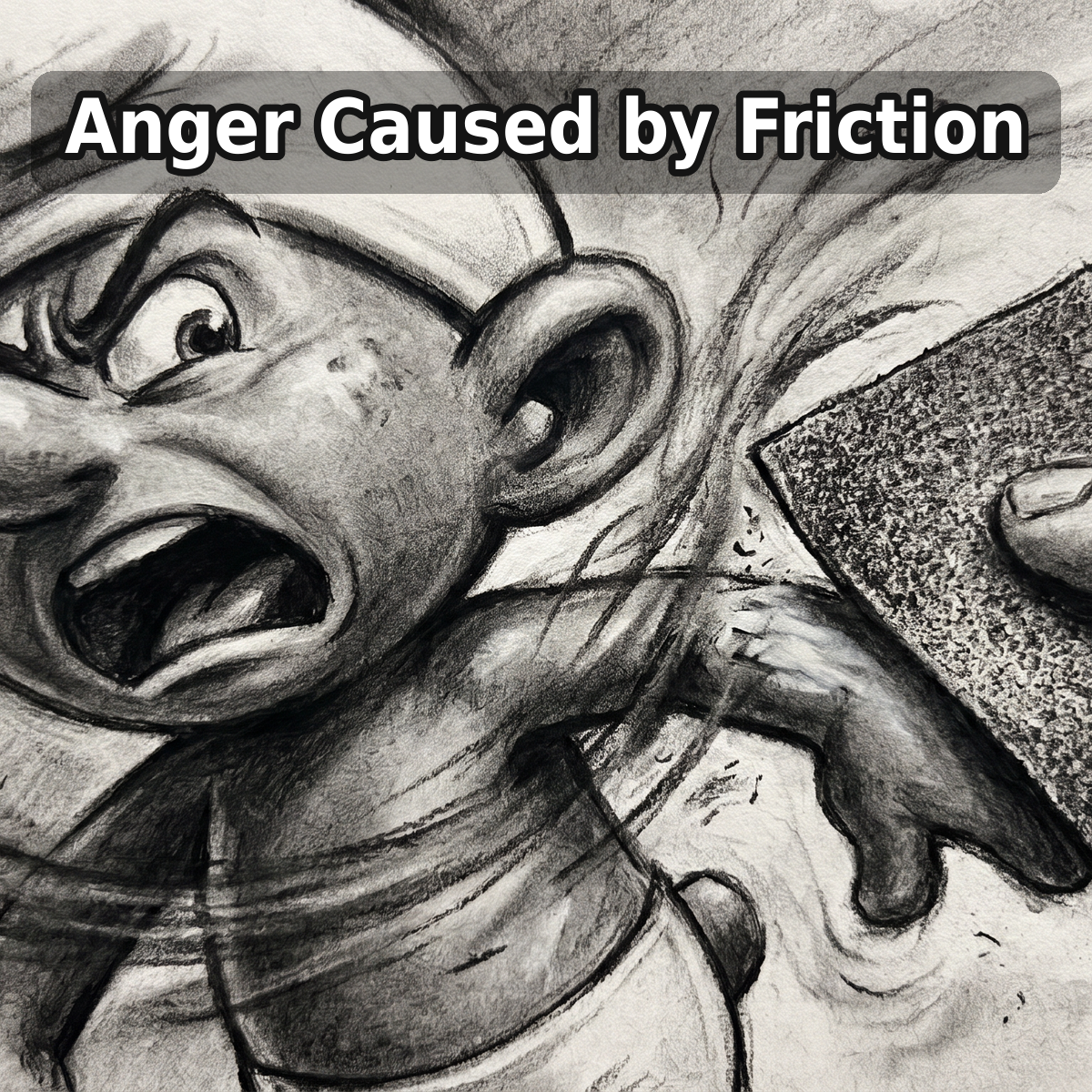
Day 356 – Anger Caused by Friction

The author explores the emotion of aggravation, defining it as a low form of anger caused by friction. They propose an escalation pattern for anger, starting from friction and leading to full-blown anger. The core idea is that aggravation arises when one repeatedly spends attention on something they believe doesn’t deserve it.

Read More

Day 355 – The Canary Principle

The canary principle, originating from coal mining, involves testing changes on a small scale before full implementation. This concept applies to software development and personal life, encouraging small, reversible experiments to reduce the cost of learning when uncertainty is unavoidable.

Read More

Day 354 – Evidence of Work is Not Evidence of Learning

This article argues that AI has exposed a fundamental flaw in modern education: the substitution of “evidence of work” for “evidence of learning.” It highlights how schools have increasingly focused on quantifiable outputs like completed worksheets and assignments, which AI can now easily generate without genuine understanding. The author contends that AI’s proliferation forces education to return to its core purpose—actual teaching and fostering cognitive development—rather than merely verifying compliance.

Read More
0
Would love your thoughts, please comment.x
()
x