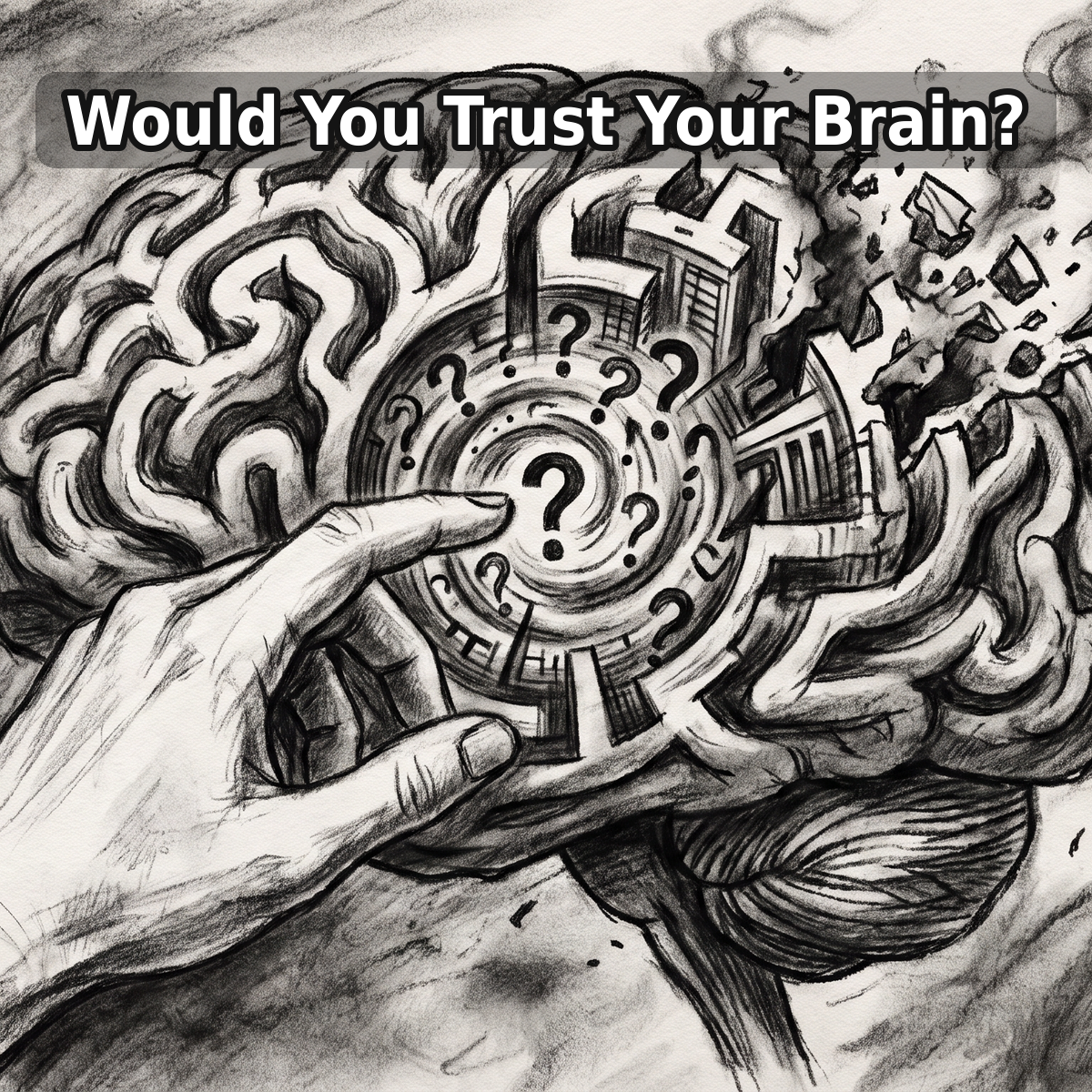
Have you ever wondered the following age old question? Why is it always easy to do things like watch tv, movies, or browse your phone for meaningless social media things and it is so hard to do productive things like read, exercise, or work on an important task? Why is it that we can desire to do one thing over another? Why can you be motivated to do one thing but not another?
There is a direct link to this is the chemical called dopamine. Your mind will want to perform activities based on the expectation of a dopamine release. Even if the activity is bad for you, horrible for you, you will still pursue it to get the dopamine pay off. Almost everything we do as humans releases some level of dopamine. There have been countless studies on this phenomena.
The greatest release of dopamine comes from chance, or accidental things. Sudden, unexpected occurrence will release a ton of dopamine into your system. For example, getting startled, and winning in a game of chance for example. Video games. checking in on your phone, looking at your email (again) are all activities that we engage in hoping to receive that next unexpected dopamine hit.
Just as with any quick fix type of drug, you build a tolerance level to dopamine. You build a resistance to dopamine levels, requiring more of a given thing in order to feel the effects. You will find yourself less interested in things you used to, or things you found easy are no longer easy. Video games and social media provide a constant source of dopamine and you can escalate the levels (you binge watcher you). You become dependent on this dopamine fix. Did I mention quick, easy to consume sugary snacks are a source of dopamine as well?
Yeah, basically we get addicted to things that are bad for us and we have a built in chemical that keeps us wanting to come back for more. Here is the problem. If you get addicted to these high rush dopamine behaviors, you will lose all interest in the behaviors that produce low dopamine. You will stop functioning at a beneficial level.
Guess what? If you are indeed an addict. Then you need to go on a fast, a detox. This means that you cannot have access to the Internet, your phone, music, tv, movies, digital anything, junk food. Get completely away from temporary and quick dopamine sources. Replace this with meditation, walking, reflection, journal writing, old school reading, talking with other people. You will be shocked at how much benefit you get from a few days of detox!
Guy Reams