I remember when we were thinking about selling our first home. I knew several real estate agents that were all saying the same thing, this market is going to continue to go up, we are not in a bubble, this is going to last at least another 10 years. When I heard them all saying the same thing, I started to get really suspicious. Sounded like they were all reassuring themselves, as if they could change the outcome by simply repeating the opposite of what they knew would happen. I had this feeling that what I should do is sell the house, wait about a year, and then buy a new home. As it turned out, I should have listened to that internal voice, because in 6 months the bubble burst and the market plummeted. If I would have sold my house then and held onto the cash, then my buying power would have increased by almost 50%.
I did not do that, unfortunately. However, I bring this example up to talk about bubble thinking. We are all susceptible to it and we do it all the time. If we surround ourselves with people that say the same things and repeat what we want to hear then we are in real danger of thinking that what we are hearing and seeing all the time is the truth of the situation. How dangerous that is. You see examples of that all the time. The question is, are we guilty of the same and do not even know it?
I met an executive for a company a few days ago, and she was a really brilliant and capable person. However, during the discussion she had this dialog going on that must have made sense to her, but the way it came out was really confusing. Her ideas must have been tested internally, and repeated back to her, but when she started to communicate that talk track to others it just did not gel very well. This is an example of bubble thinking. If you talk to your friends and colleagues about your ideas and they understand what you are trying to do and want you to succeed then you will get a lot of positive affirmation. However, is that always good?
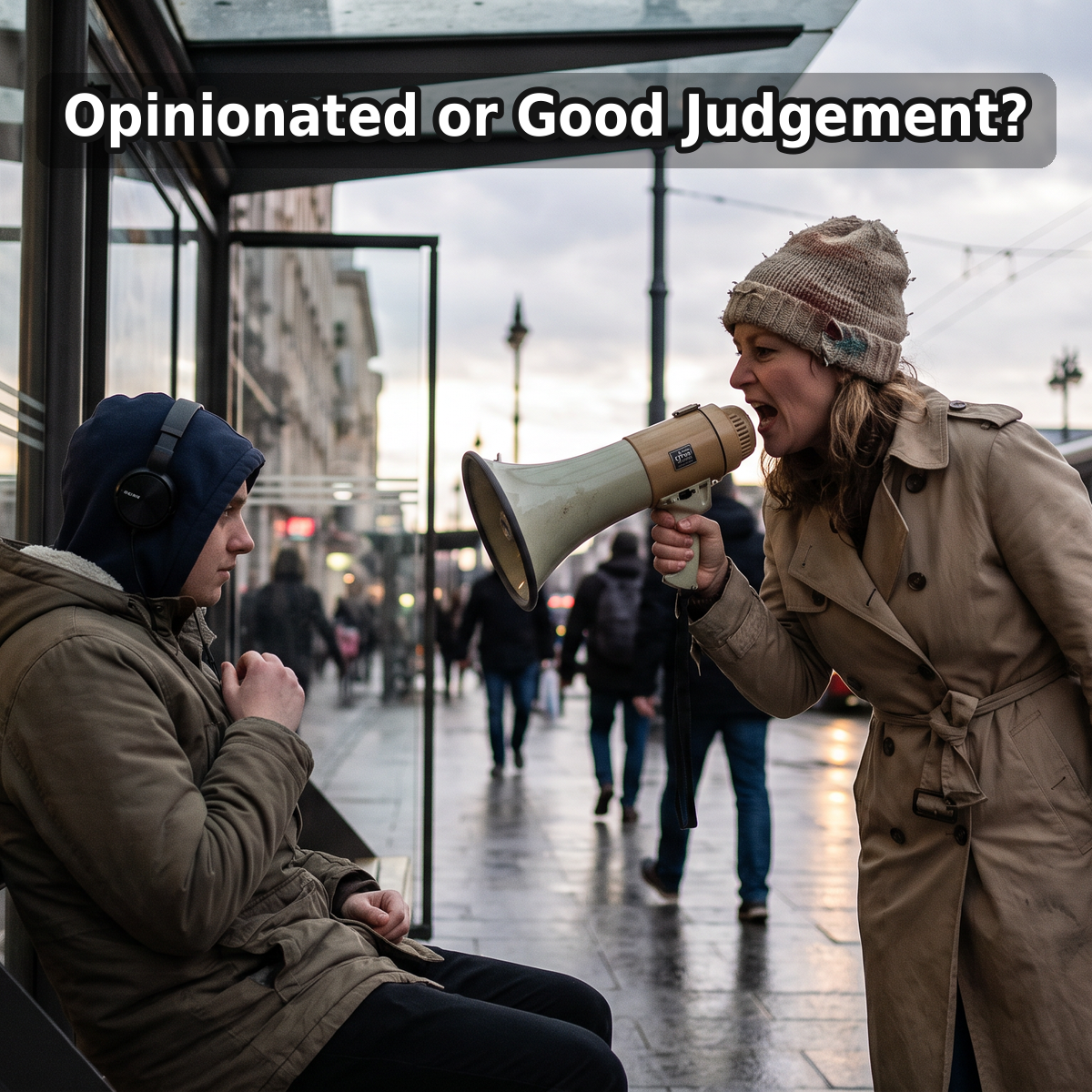
I think we need to learn to value people that tell us things we do not want to hear. People that are able to see the alternative view, and force us out of our bubble and think about what we are trying to do from a different angle. Are all the parrots nodding back at you as valuable as the seagull that is constantly dive bombing you and disrupting your lunch?
Guy Reams