Many people consider this concept of leaving behind a legacy. I have been thinking about that a lot lately, as we have experienced a unusually high number of people that have passed away in our family. There is a lot behind the concept of leaving a legacy behind, but one consideration that is constant is that people are usually remembered by less than one sentence. After 1, 5, 10 years after their departure from this earth they will be remembered by those who knew them by one single sentence. Regardless of intent, people will gravitate toward the one highlight that is remembered the most about that loved one. So no matter what you do, your legacy will be remembered by only one sentence. I have noticed this about the most enigmatic, wealthy, and powerful as well. Kobe was a great basketball player, Carnegie was a business leader who made his wealth in steel manufacturing. Think back on the people you are aware of that have passed on, you will remember them with one sentence. Now, there will be a lot more. Books maybe written about a person, libraries raised to remember them, but that is not what I am talking about. I am talking about the legacy that someone is known for.

This leads me down the track of considering the one sentence before we leave this earth. Can we write our one sentence now? What is your one sentence? When I pass away, what will people summarize me with? Can you craft a sentence now and then spend the rest of your days focusing on making that sentence a reality? The act of narrowing things down, focusing on the one, removing the trivial and coming up with that one succinct sentence that will be the legacy of who you were is an interesting experience. Certainly causes you to deal with, in a very direct sense, the gap between what you idealize and your current state. Since all you will be remember for any way is the one sentence, why not do what you can to control the narrative!

Guy Reams

Subscribe
Notify of
guest
1 Comment
Oldest
Newest Most Voted
Inline Feedbacks
View all comments
Barbara Russell
Barbara Russell
4 years ago

So true!

Share the Post:

Recent Blogs

Day 359 – Opinionated or Good Judgement?

The distinction between having an opinion and being opinionated lies in how strongly and frequently one expresses their views, and their openness to others’ perspectives. While strong opinions can be admired when backed by expertise, constant and forceful expression across various topics can be perceived as arrogance or exhausting. The key to being seen as having good judgment rather than being opinionated is to deliver opinions appropriately and remain open to new evidence.

Read More

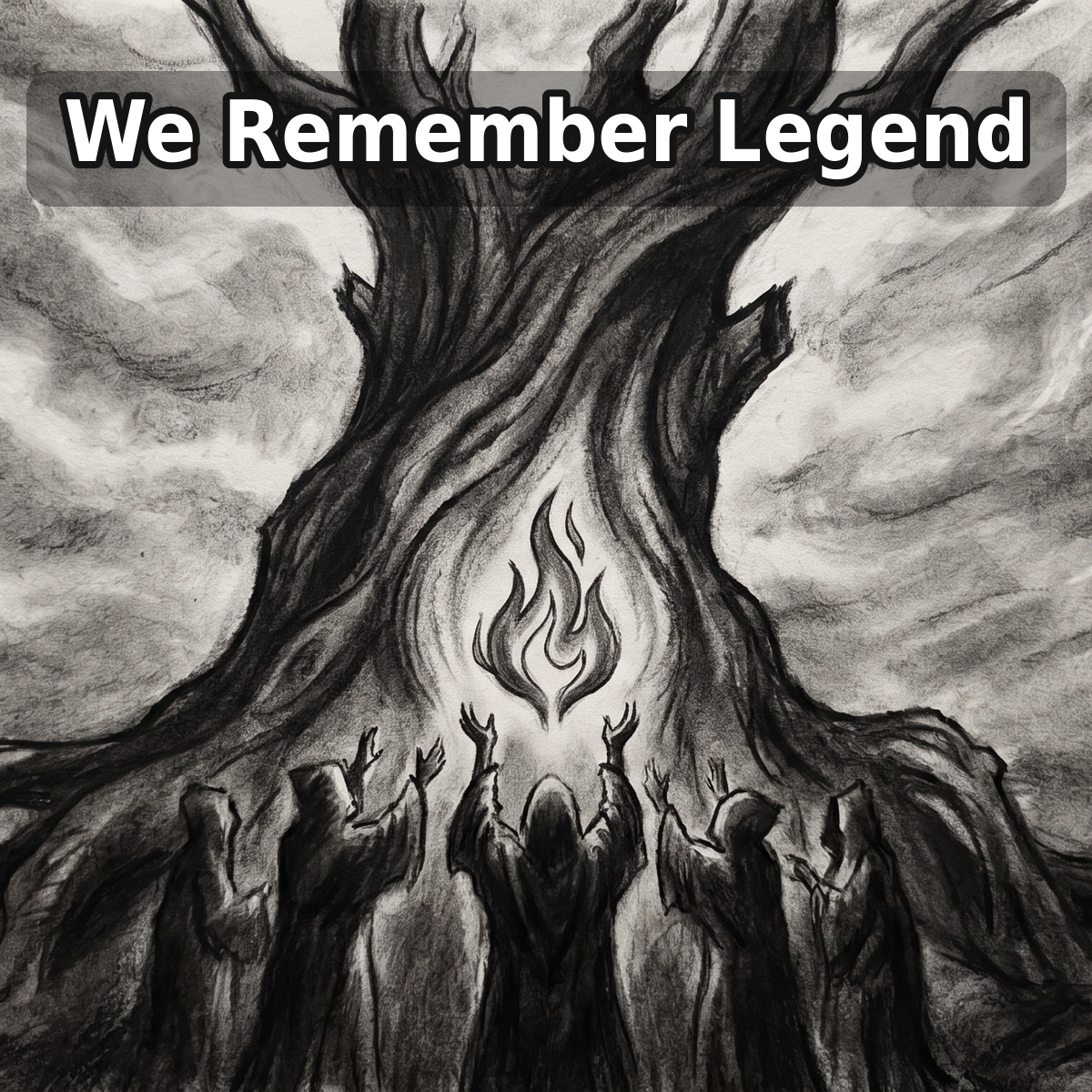
Day 358 – We Remember Legend

This article explores the concept of legend versus history, arguing that legends are what people choose to remember and retell over generations. Using the story of Noah’s Ark as an example, it discusses how historical events can become exaggerated and imbued with cultural meaning, posing the question of what makes a legend meaningful enough to endure. The author also reflects on personal and family legends, and contemplates what actions in their own life might become legendary for future generations.

Read More

Day 357 – Curiosity is Cheap

This article explores the challenges introverts face with draining conversations and offers a solution: embracing curiosity. By shifting from feeling the need to “perform” in conversations to simply being curious and asking questions, the perceived energy cost of interactions can be significantly reduced, fostering better relationships.

Read More

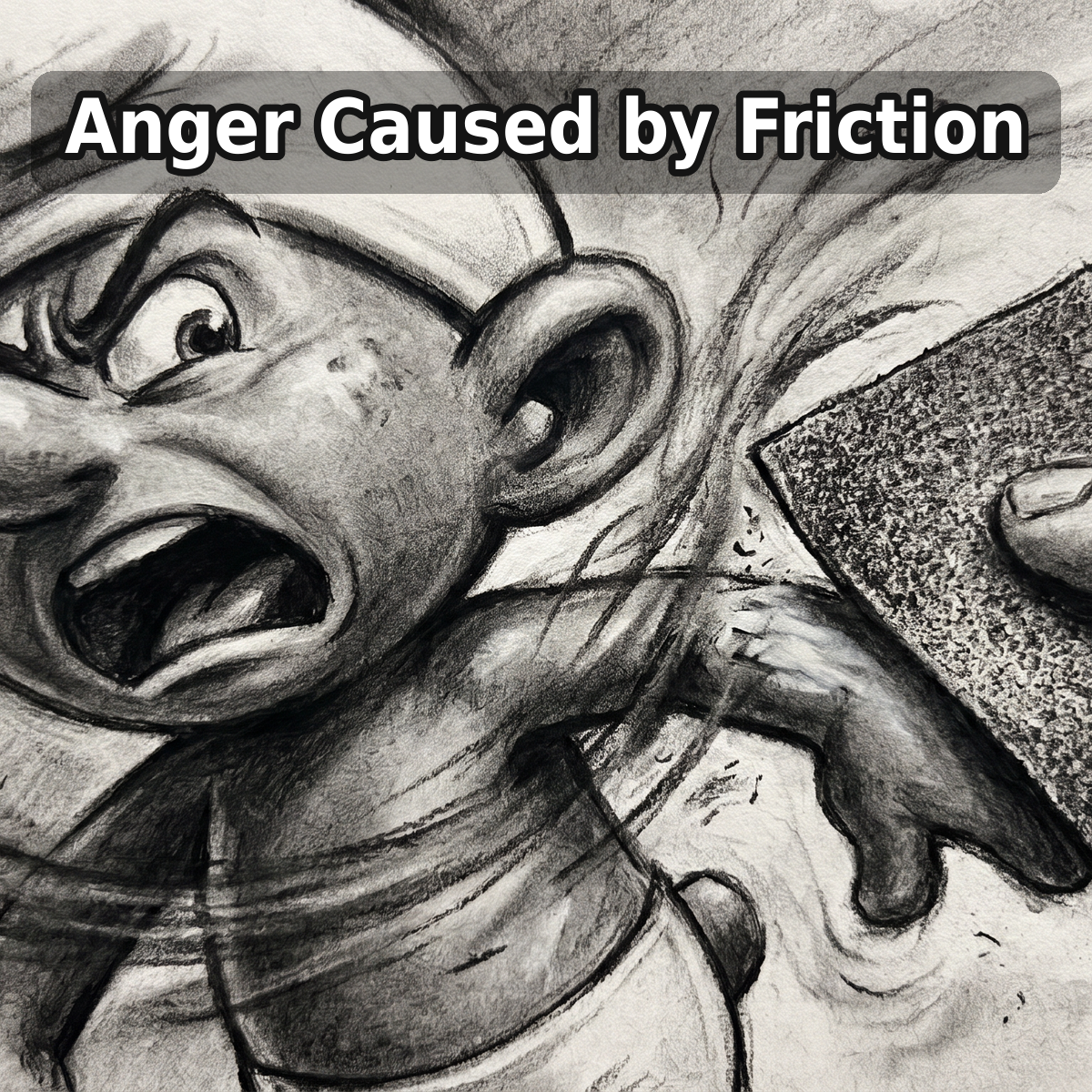
Day 356 – Anger Caused by Friction

The author explores the emotion of aggravation, defining it as a low form of anger caused by friction. They propose an escalation pattern for anger, starting from friction and leading to full-blown anger. The core idea is that aggravation arises when one repeatedly spends attention on something they believe doesn’t deserve it.

Read More
1
0
Would love your thoughts, please comment.x
()
x