Instead of a Daily View, we might want to consider a Weekly View. Many people worry about their daily caloric intake, why not worry about your weekly caloric intake instead? So instead of trying to be under your requirements everyday, come in under for the week. Evidence shows that this approach works just as well as a daily tracking. That is a simple consideration, however, the same Weekly concept can be applied to other things as well.

Instead of focusing on what you learned today, you can focus on what you learned this week. The weekly analysis gives you a greater reflection period and allows you time to focus on that type of review. Rarely do I have an opportunity to spend quality time once a day to review what I have learned and write my thoughts down. However, a weekly review is quite possible. I have time to do that at least once a week and doing such an inventory probably has great long term health benefits.

Weekly tasks instead of daily tasks. Daily tasks are stressful and we tend to fail most the time. However, weekly tasks seem to be easier to tolerate and gives us wiggle room to accomplish things, as long as we do not procrastinate everything to the last day of the week. The weekly view of what you should do, or need to do gives better perspective on what to do with your time. In fact, if you take a weekly view you are more apt to pre-schedule blocks of time to work on what is important to you at the time. To consider the big rocks that you need to fill in first.

Weekly measurements are easier to manage and provide a more consistent data point to ponder. Weekly miles ran, weekly pushups done, weekly time committed to a specific exercise. I have often heard that in order to gain better command and control of something difficult to manage, then you need to increase your perspective. By extending out to a weekly view, you have a better ability to control yourself!

Guy Reams
Subscribe
Notify of
guest
0 Comments
Inline Feedbacks
View all comments
Share the Post:

Recent Blogs

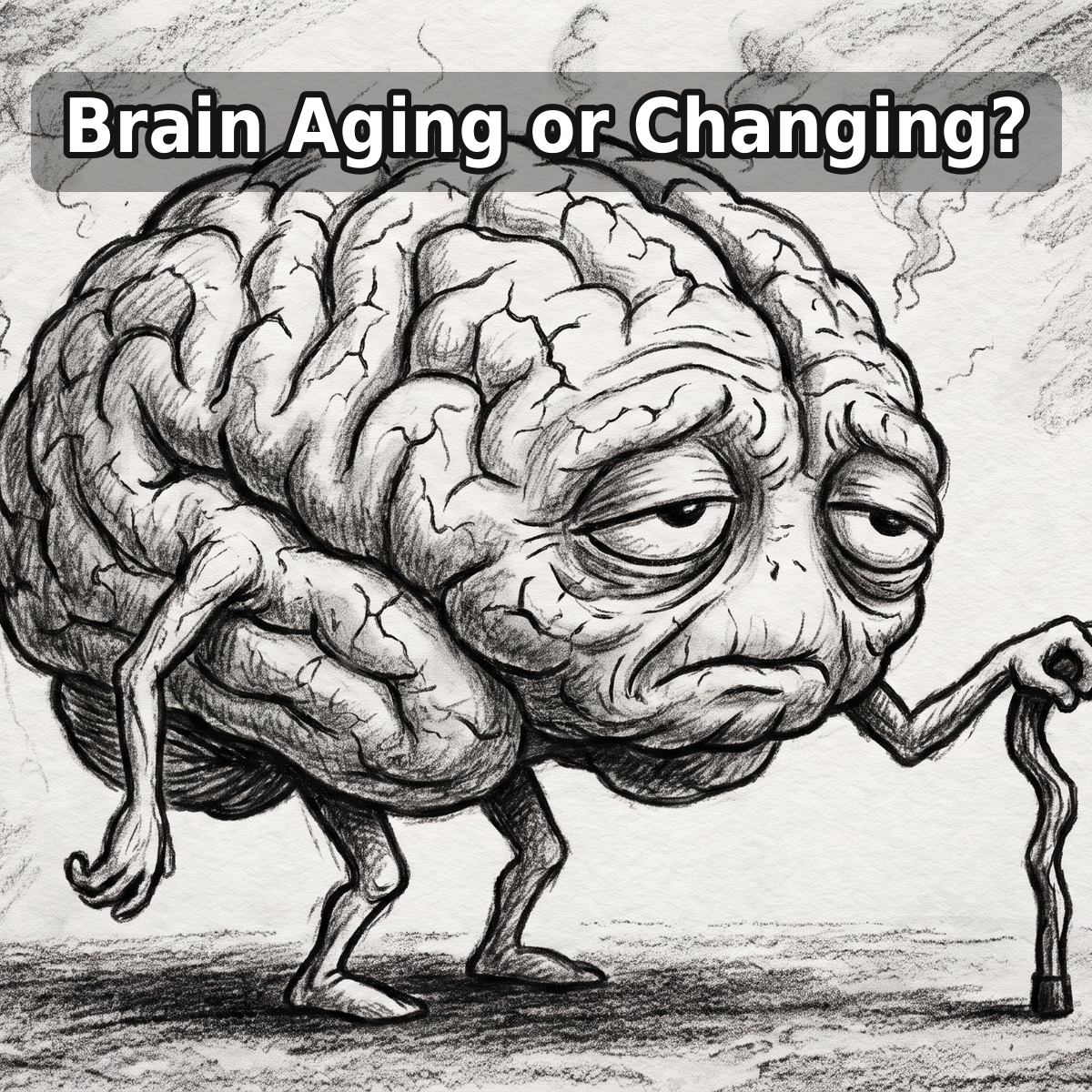
Day 361 – Is the Brain Getting Old or Just Changing?

As we age, our brains may shift from remembering every detail to focusing on meaning and wisdom. This natural cognitive shift, supported by research from the University of Arizona, suggests that difficulty recalling minutiae isn’t a sign of decline but an adaptation towards higher-order thinking.

Read More

Day 360 – The Concept of Eudaimonia

Aristotle’s concept of eudaimonia, or the highest human good, suggests that true happiness comes from aligning our actions with our cherished virtues over a sustained period, rather than from fleeting pleasures. This involves living a life that feels purposeful and authentic, even through struggles.

Read More

Day 359 – Opinionated or Good Judgement?

The distinction between having an opinion and being opinionated lies in how strongly and frequently one expresses their views, and their openness to others’ perspectives. While strong opinions can be admired when backed by expertise, constant and forceful expression across various topics can be perceived as arrogance or exhausting. The key to being seen as having good judgment rather than being opinionated is to deliver opinions appropriately and remain open to new evidence.

Read More

Day 358 – We Remember Legend

This article explores the concept of legend versus history, arguing that legends are what people choose to remember and retell over generations. Using the story of Noah’s Ark as an example, it discusses how historical events can become exaggerated and imbued with cultural meaning, posing the question of what makes a legend meaningful enough to endure. The author also reflects on personal and family legends, and contemplates what actions in their own life might become legendary for future generations.

Read More
0
Would love your thoughts, please comment.x
()
x