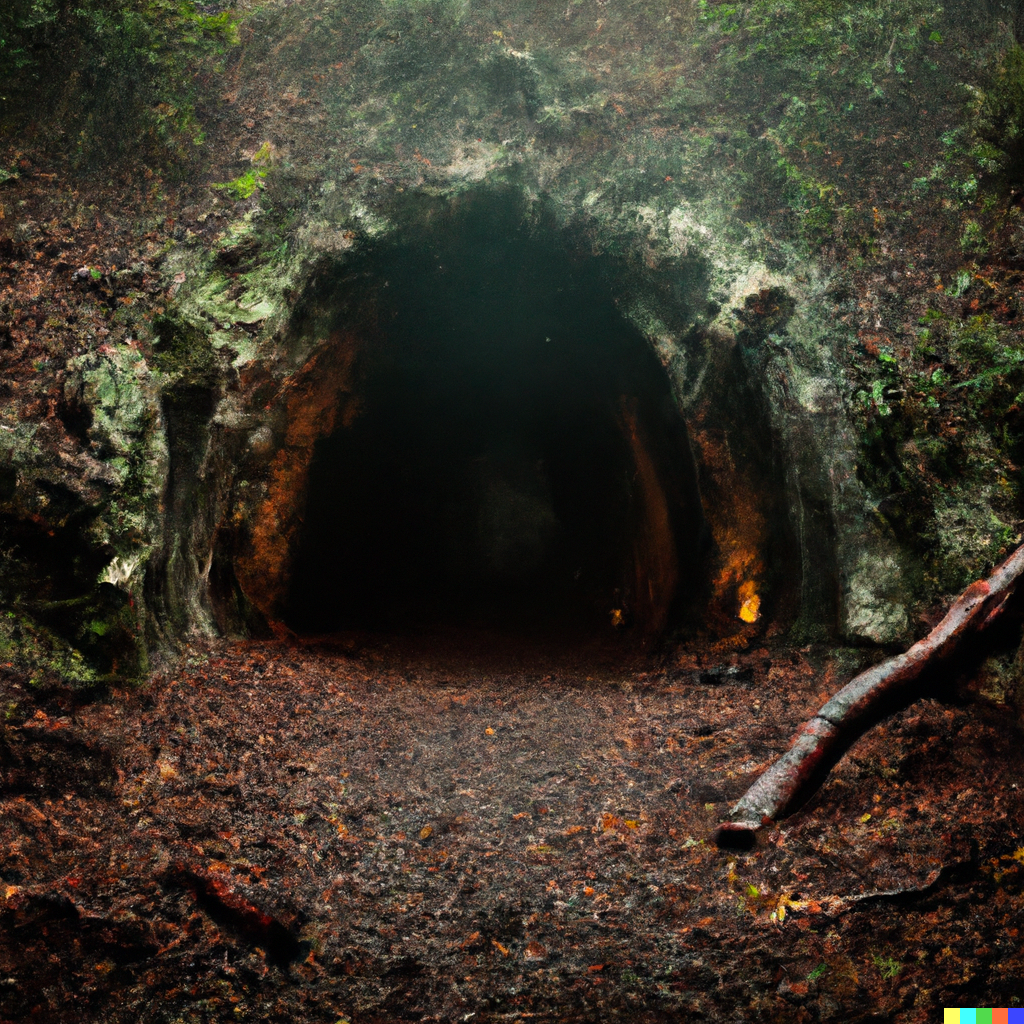
While preparing for my first ultra-marathon, I listened to ‘running’ podcasts. Yes there are quite a few of them. I wanted to get as much information about tips to be successful at finishing my first big one. Courtney Dauwalter shared a story about one of her races where she suffered from stomach cramps and blurred vision. Her eyes were failing, and at night, she was almost heading down the trail blind. She relates that this is where she discovered, ‘the Pain Cave.’ The pain cave is a mental state that runners enter when they push themselves beyond their physical and mental limits. It is where they confront hardships and endure physical pain, such as during long-distance runs or challenging moments on the trail. The pain cave is a physical experience and a transformative one. It is a secret place known only to runners, where they discover their true selves and determine how much they are willing to sacrifice to achieve their goals.
The concept of a pain cave has served me well. There are times in your transformation journey when you have no other choice. To keep your commitments up over a long extended period, you will just have some moments where you will have to endure suffering. This is where you show grit. This is where you reveal just how determined you are. When you can put your head down and shoulders into the yoke. The Pain Cave is not a new idea but simply a pain-coping mechanism. This is a cognitive strategy, one of many, that distracts you from the pain and discomfort. This is also a form of meditation or mindfulness, where you accept what is happening to you without judgment. Through this, you acknowledge and tolerate the pain without it overwhelming you. Courtney has run a few 250-mile races and frequently visits the Pain Cave. Read about her experience here.
So have I. When you decide to accomplish your commitment, no matter what happens, the only path is acceptance. I am now experiencing discomfort, so I will set my mind and heart and buckle down and do the work and imagine that I am running into that cave where nothing can get worse. This metaphor is powerful when you establish it as your mechanism for entering into that state of mindfulness and acceptance so that you can plow through any resistance, real or imagined. To personally transform your life, you will need a pain cave. You need a verbal message that you say out loud to yourself. This does not have to be a pain cave, but I do. It works for Courtney, the ultimate badass scrapper in the running community, so it works for me. When I struggle, my legs feel like lead, my lungs hurt, my feet hurt, my head hurts; I say out loud – “going to the pain cave.”
This is not just about physical exertion. The pain cave methodology applies to anything you must force your way through. Anything discouraging, upsetting, and horribly complicated. It is so complex that you just want to quit. That is the time to square your shoulders, aim your attention, and head straight down the mouth of the pain cave.