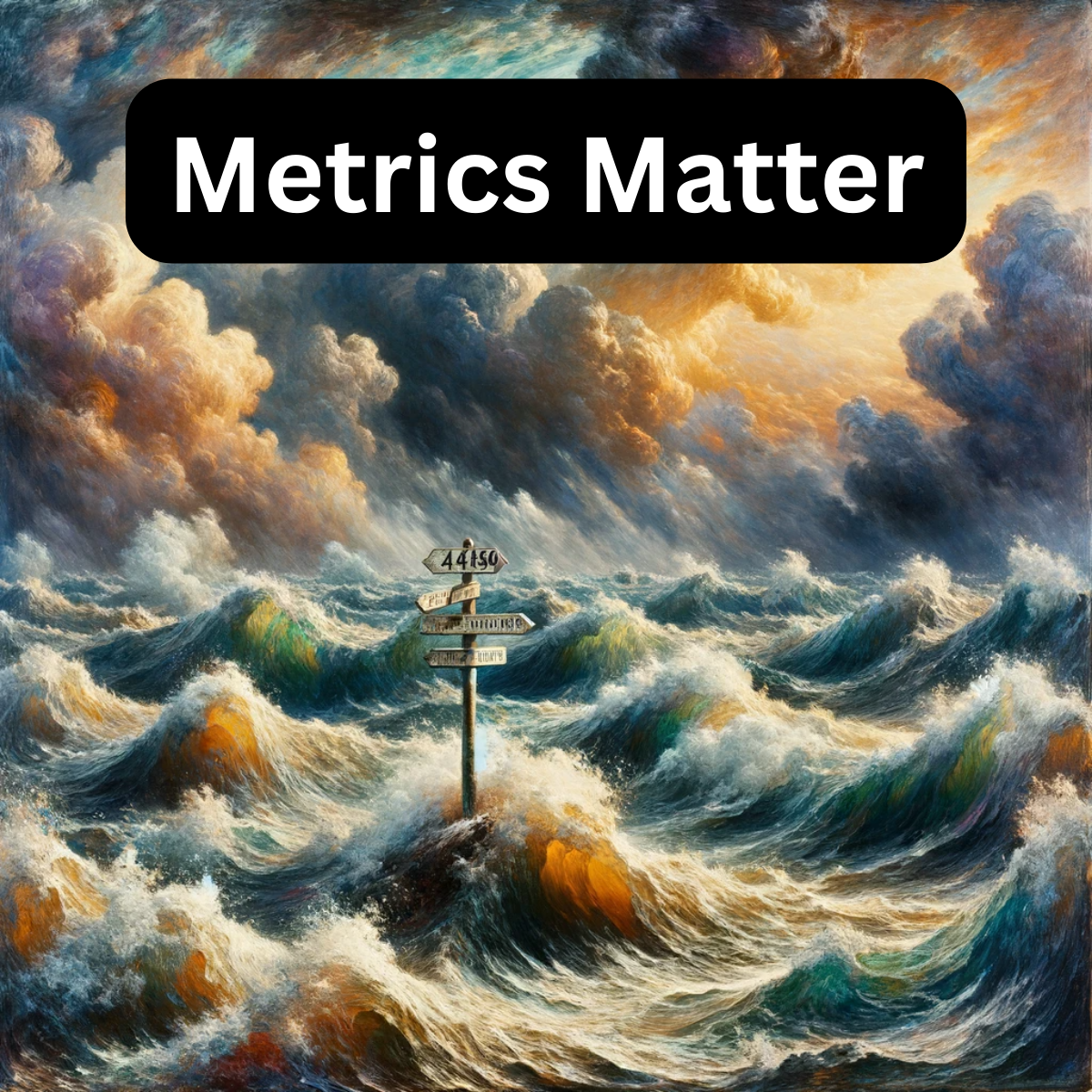
In any endeavor we undertake, there’s always that one key metric that stands as the beacon of success or failure. It’s like a lighthouse in a stormy sea of efforts, unmissable and undeniable. Think of it this way: in a business venture, the ultimate measure of success is the income generated from operations. Yes, there are other metrics – customer satisfaction, employee engagement, brand recognition – but if the cash register isn’t ringing, the rest doesn’t quite add up, does it? This key metric, the one that matters the most, can be a tough nut to crack. Take weight loss, for instance. Initially, the scale tells the story, but as you approach your goal, body fat percentage takes the spotlight. It’s not just about the numbers dropping; it’s about what those numbers represent.
Now, identifying this crucial metric isn’t a walk in the park. It requires introspection, research, and sometimes, a bit of trial and error. Why? Because measurable results are the compass that guides us. They’re motivating, sure, but more importantly, they show us if our strategies are working. It’s like having a personal GPS for success. Without these metrics, we’re just shooting in the dark, hoping to hit the target. They give our efforts direction and purpose, helping us stay on track and make necessary adjustments along the way.
Speaking of adjustments, that’s where the real power of a key metric shines. It’s your reality check. If, after a certain period, the numbers aren’t moving in the right direction, it’s a clear sign that something’s amiss. This is where the rubber meets the road. It’s time to reevaluate and pivot if needed. Without this guiding metric, how would you know if your plan is a dud or a stud? It’s like having a fitness coach who tells it to you straight – if you’re not seeing results, change your game plan!
This brings us to the focus. A metric that we identify and track hones our attention on the outcome. It’s like having blinders on, but in a good way. You’re zeroed in on what really matters. John Doerr, in his insightful book “Measure What Matters,” couldn’t have put it better. It’s not just about measuring for the sake of measuring. It’s about measuring what truly contributes to your success. This focus is invaluable, especially in our world brimming with distractions.
In conclusion, remember this: the right metrics are your roadmap to success. They’re not just numbers; they’re indicators of progress, signposts that guide your journey. Whether you’re a busy professional or someone just starting on a path of self-improvement, paying attention to these metrics is non-negotiable. It’s not about being obsessed with numbers; it’s about understanding what those numbers represent. They are the difference between wandering aimlessly and marching towards your goals with purpose. So, measure what matters, and let the metrics light your path to success. Remember, in the end, metrics really do matter!